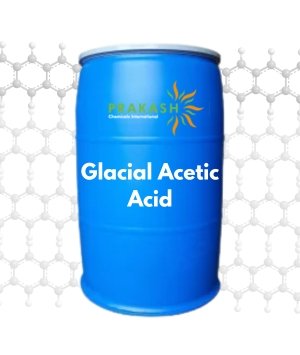




Glacial Acetic Acid
- HS Code: 29152100
- CAS NO. : 64-19-7

- General Description
- Chemical Properties
- Technical Specification
- Applications
- Compliance and Certifications
- Packaging Details
- Key Features/Benefits
General Description
The undiluted form of acetic acid is Glacial Acetic acid(CH3COOH), which is also known as ethanoic acid. It is a colourless, clear liquid with a strong odour. When acetic acid is used as a starting reagent, it easily creates other organic reagents such as ethanol and acetyl chloride through reduction and substitution reactions respectively. Acetic acid can also erode metals, for example, magnesium, iron, and zinc, forming metal acetates and hydrogen gas.
A 5% dilute solution of acetic acid created by oxidation and fermentation of natural carbohydrates is called vinegar or acylal of acetic acid is called acetate.A water-free acetic acid is known as glacial acetic acid. It has no color, and it absorbs water from the environment and becomes a solid, colorless crystalline at 16.7 C.
It is called glacial because it has weak acid property and freezing in the form of needle-shaped crystals. Glacial acetic acid is potentially flammable and strongly corrosive, completely miscible with water and has a low flashpoint.
Chemical Properties
• Molecular Weight: 60 g/mole
• Physical State: Liquid
• Melting Point: Approximately 16.6°C
• Boiling Point: Approximately 118°C
• Density: Around 1.05 g/cm³ at 20°C
• Solubility: Completely miscible with water and most organic solvents
Technical Specification
• Purity Levels: 99.7%
• Appearance: Clear, colorless liquid
Applications
Glacial Acetic Acid supports a wide range of industrial processes where controlled acidity and chemical stability are required.
Pharmaceuticals:
Used as an intermediate in the synthesis of active pharmaceutical ingredients and excipients, where purity and regulatory compliance are critical.
Textiles and Fibers:
Acts as a pH regulator and processing aid in dyeing, finishing, and fiber treatment processes.
Agrochemicals:
Used in the manufacture of herbicides, pesticides, and intermediates requiring precise chemical reactions.
Polymers and Plastics:
Plays a key role in the production of vinyl acetate monomer and acetate based polymers.
Food Processing:
Used as an acidity regulator and preservative in controlled, food grade applications.
Chemical Manufacturing:
Functions as a solvent, reagent, and intermediate in a wide range of chemical synthesis processes.
Compliance and Certifications
ISO,Halal,Kosher
Packaging Details
35kg HDPE cans, 235Kg HDPE Drums, 1050 Kg Composite IBC
Key Features/Benefits
100% New Packaging as per IMDG Guidelines, High Purity, versatile applications, Food Grade availability, Various packaging options