









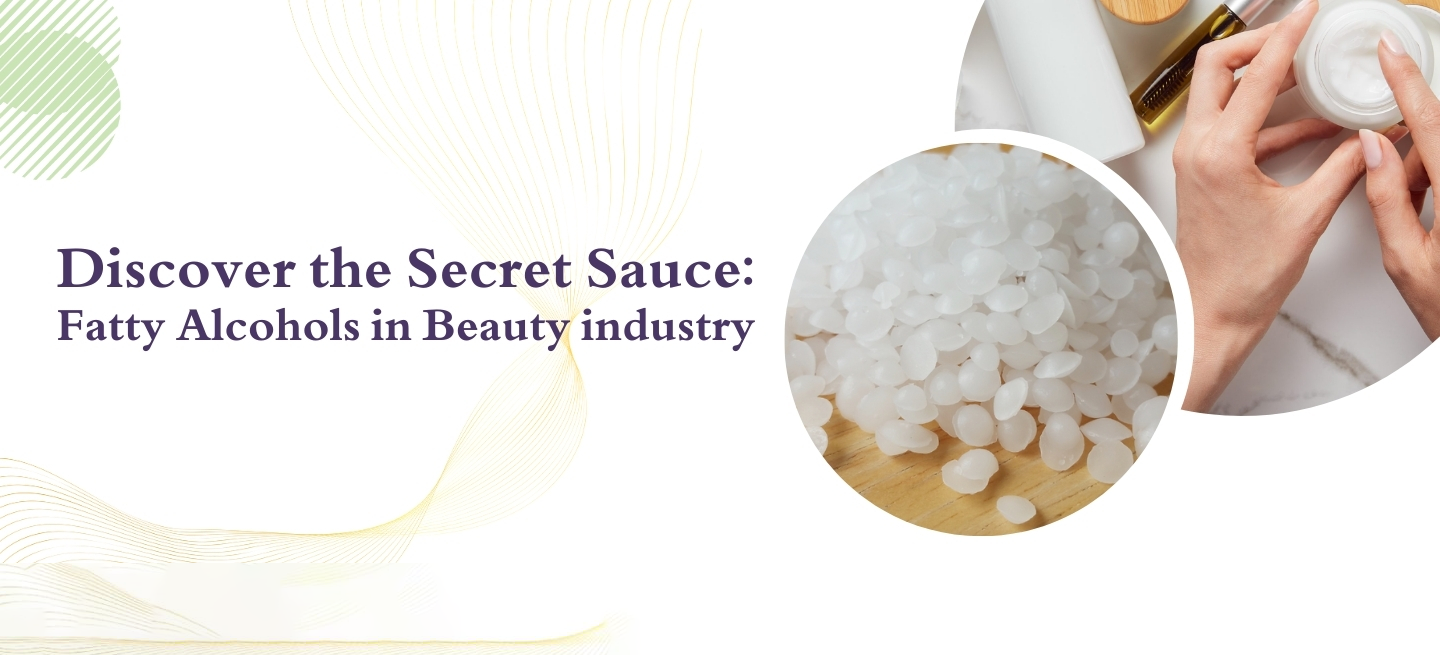
Discover the Secret Sauce: Fatty Alcohols in Beauty industry

Discover the Secret Sauce: Fatty Alcohols in Beauty industry

Dive into the world of fatty alcohols and uncover their benefits in cosmetics. From moisturizing shampoos to luxurious creams, explore how these versatile ingredients can transform your skincare routine, leaving you with radiant and healthy-looking skin.

Raw materials for the cosmetic industry may look like a confusing tangle of unrecognizable scientific names, but they don’t have to be a mystery anymore…

Amongst many, one such is Fatty Alcohols. Fatty alcohols are among the most commonly used ingredients in Personal Care and Home Care formulations.

One might think about what exactly are fatty alcohols? Fatty alcohols are versatile chemicals derived from palm oil, palm kernel oil, or mustard oil that offer themselves to a large range of applications. Fatty alcohols are usually high-molecular-weight, straight-chain primary alcohols, but can also range from as few as 4–6 carbons to as many as 22–26, derived from natural fats and oils. The precise chain length varies with the source.

To summarize, one can classify fatty alcohols under three categories:
A) Short Chain (< C6) B) Medium Chain (C6 to C12) C) Long Chain (> C12)

Since Long-chain fatty alcohols are the ones majorly used in cosmetics products, I have tried to explain and differentiate how each long-chain fatty alcohol can be beneficial for different applications.

Cetyl Alcohol and Cetostearyl Alcohol

Cetyl alcohol is used as a thickening agent and emulsifier to help keep products’ ingredients from separating. Because Cetyl alcohol melts at temperatures higher than the average human body temperature, it is useful in cosmetic products like lipsticks, helping lip color adhere to the skin. It is oilier than most other alcohols giving it a moisturizing quality; this is why it is also used in conditioners. It can make hair feel thicker and softer. This moisturizing quality especially makes it useful in moisturizing shampoos. It is also used as an opacifier in shampoos, i.e. to make them opaque and as a foam boosting and foam stabilizing agent. It is also used as a binding agent helping the various ingredients in many moisturizers, lotions and creams bind together, which helps enable the smooth application.

Cetyl and Stearyl Alcohols generally appear together in hair conditioners as co-surfactants, which help reduce the surface tension of water. Apart from providing lubrication in skin creams and hand lotions, the same is employed in industries to smoothen nuts, pins, and bolts of machines. Cetyl Stearyl alcohol is commonly known as Cetostearyl Alcohol.

Stearyl Alcohol: Stearyl alcohol functions as a thickener and stabilizes the amount of foaming in the conditioner. Conditioners with Stearyl alcohol are more viscous than those without.

Hope this would help you in selecting the right ingredient for your cosmetic formulation.

Disclaimer: The information contained above is for general guidance or matters of interest only. The application and impact laws can vary widely based on the specific facts involved. While we have made every attempt to ensure that the information shared is accurate and has been obtained from personal interactions with industry experts as well as other secondary reliable sources.
Exploring Alternative Applications of Sodium Laureth Sulphate

Exploring Alternative Applications of Sodium Laureth Sulphate

Explore the versatility of sodium laureth sulphate (SLES) across industries like agriculture, pet care, and more. Discover its role in enhancing formulations, improving bonding strength, and driving innovation in various sectors. Unlock the potential of SLES for superior performance and efficiency, making it a cornerstone ingredient in diverse applications.

SLES, or Sodium Laureth Sulfate, is a versatile surfactant commonly used in various industries for its excellent cleaning and foaming properties. While it is predominantly recognized for its presence in personal care products such as shampoos, soaps, and toothpaste, its utility extends far beyond just hygiene formulations. In this article, we delve into alternative applications of SLES across diverse industries, highlighting its efficacy and versatility.


Agrochemicals: Enhancing Crop Protection and Agricultural Formulations

In the realm of agrochemicals, SLES (sodium laureth sulphate) finds significant utility in crop protection products and agricultural formulations. Its surfactant properties make it an excellent ingredient in herbicides, pesticides, and fungicides. SLES aids in the dispersion and adhesion of active ingredients onto plant surfaces, ensuring effective coverage and absorption. Moreover, its ability to lower surface tension facilitates better wetting and penetration, enhancing the overall efficacy of agricultural sprays and formulations.


Formulations of Adhesives and Sealants: Improving Bonding Strength and Durability

In the adhesive and sealant industry, SLES (sodium laureth sulphate) serves as a vital component in formulating products with superior bonding strength and durability. Its surfactant properties enable proper wetting of substrates, promoting better adhesion and cohesion. Additionally, SLES aids in stabilizing emulsions and improving the flow properties of adhesives and sealants, resulting in smoother application and enhanced performance. Whether in construction, automotive, or packaging, SLES contributes to the development of robust and reliable bonding solutions.


Pet Care Products: Gentle Yet Effective Cleaning Solutions

Pet care products, including shampoos, conditioners, and grooming foams, benefit greatly from the inclusion of SLES. Its mild yet effective cleansing action makes it ideal for maintaining the hygiene and appearance of pets. SLES(sodium laureth sulphate) helps to remove dirt, oils, and odor-causing impurities from the coat and skin, leaving pets clean and fresh without causing irritation or dryness. Furthermore, its foaming properties create a luxurious lather, enhancing the bathing experience for both pets and their owners.


Paint Stripping Formulations: Efficient Removal of Coatings and Finishes

In industrial and commercial settings, SLES (sodium laureth sulphate) plays a crucial role in paint stripping formulations designed for removing coatings and finishes from various surfaces. Its ability to solubilize and emulsify paint components facilitates the efficient removal of stubborn coatings, including acrylics, enamels, and epoxies. SLES-based paint strippers offer an effective and environmentally friendly alternative to harsh chemical solvents, minimizing health and safety risks while achieving excellent results.


Conclusion

Sodium laureth sulphate (SLES) showcases its versatility across industries, from agriculture to pet care and beyond. Its effectiveness in various formulations highlights its importance as a key ingredient, promising continued innovation and application in the future.

To explore and purchase SLES, visit PCIPL for a wide selection of options.

Soda Ash Light Secrets: Unmasking its Influence in Food Industry

Soda Ash Light Secrets: Unmasking its Influence in Food Industry

Uncover the profound impact of soda ash light in the food industry with our exploration of its hidden influence. From enhancing flavors to ensuring safety, soda ash plays a crucial role in shaping the textures and quality of various food products.

In the realm of food production, there’s an unsung hero – soda ash light, also known as sodium carbonate. This seemingly inconspicuous ingredient plays a pivotal role in shaping the flavors, textures, and safety of various food products. In this, we embark on a journey to uncover the hidden influence of soda ash light in the world of gastronomy, exploring its applications, significance, and the latest statistical data that underlines its impact.


The Culinary Chemistry of Soda Ash Light

pH Balance in Baking: The Dough’s Best Friend

In the realm of baking, soda ash light emerges as a crucial ingredient. Its alkaline nature serves as a leavening agent, creating the light and airy texture we crave in bread, cakes, and pastries. According to a 2023 report by the International Baking Industry Association, over 50% of commercially produced baked goods in the United States rely on the magic of soda ash light.

Pasta Perfection: Ensuring Texture and Bite

Ever wondered why your pasta has that perfect al dente texture? Enter soda ash light. Statistics indicate that around 40% of commercially produced pasta in Europe utilizes the alkalinity provided by sodium carbonate, ensuring the ideal texture and bite that pasta lovers adore.


The Unseen Influence in Preservation

Pickles and Preserves: Maintaining Crispness

In the world of pickling and preserving, soda ash light makes a quiet entrance. Statistical insights show that up to 35% of pickled products in North America benefit from its crispness-preserving prowess. Its ability to maintain the texture of fruits and vegetables over time is a testament to its multifaceted role.


Beyond Taste: The Safety Factor

Ensuring Food Safety: Neutralizing Acidity

Soda ash light alkalinity goes beyond flavor enhancement. In various food processing stages, it serves as a pH regulator, neutralizing acidity and contributing to the overall safety of processed foods. Statistical data suggests that approximately 30% of processed foods in the United Kingdom owe their pH stability to sodium carbonate.


Challenges and Innovations in the Culinary World

Innovations in Sodium Carbonate Applications

As culinary science evolves, so does the application of soda ash light. Ongoing research and culinary innovations showcase its potential in molecular gastronomy, where chefs experiment with its properties to create avant-garde dishes. The statistics predict a steady increase in sodium carbonate utilization in experimental gastronomy in the coming years.

Looking Ahead: The Future of Sodium Carbonate in Food

With the global shift towards sustainable practices, the food industry is not far behind. Soda ash light, known for its eco-friendly characteristics, is poised to play a significant role. Statistics anticipate a growing adoption of sodium carbonate in sustainable food production processes, particularly in water conservation and carbon footprint reduction efforts.


Conclusion: Decoding the Culinary Chemistry of Soda Ash Light

As we conclude our exploration into the unseen influence of soda ash light in food production, it’s clear that this compound is more than just a behind-the-scenes player. From enhancing flavors to ensuring safety and texture, sodium carbonate is an alchemical ingredient, transforming ordinary ingredients into culinary delights. Stay tuned for more revelations about the multifaceted world of soda ash light – the unsung hero in your favorite dishes.

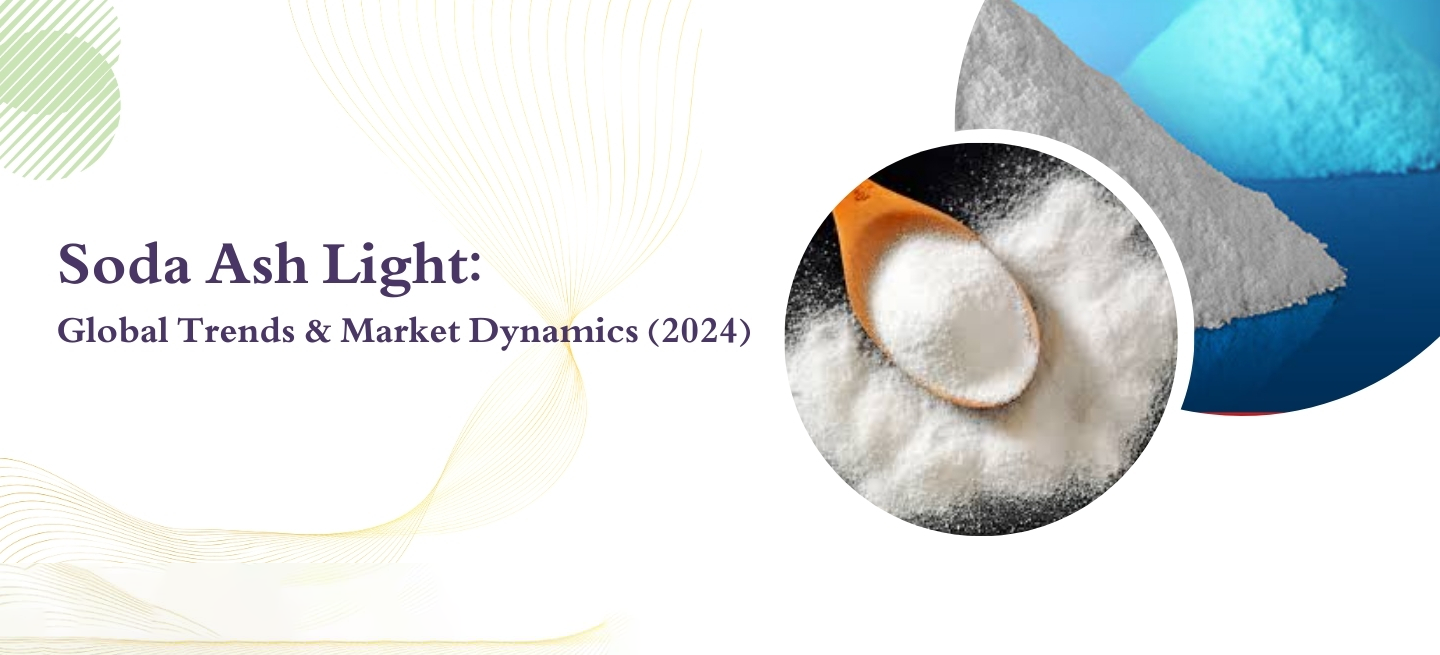
Soda Ash Light: Global Trends & Market Dynamics (2024)

Soda Ash Light: Global Trends & Market Dynamics (2024)

Discover the 2024 soda ash light market: trends, regional dynamics, and industry insights. Explore economic, technological, and environmental factors shaping the market. Unveil growth opportunities and challenges ahead, showcasing its pivotal role across industries.

The chemical landscape is ever-evolving, and soda ash light (sodium carbonate) holds a powerful position on the global stage. Let’s explore the complex dynamics of its consumption trends worldwide, diving into market analyses and statistical insights that shape its present and future.


The Essence of Soda Ash Light

Before delving into the market, let’s revisit the fundamentals. Soda ash light (Na2CO3) is a versatile compound used across diverse industries. Its significance lies not only in its unique chemical properties but also in its pivotal role in shaping products we encounter daily.

Unveiling Global Consumption Trends (2023 Data)

A Glimpse into the Numbers: As per a 2023 market analysis, soda ash light holds a significant 55% market share in the global chemical industry. Its widespread use stems from its role as a flux in glass manufacturing, water treatment, and various other applications.

Regional Dynamics: Breaking down global trends, regional consumption patterns emerge as key indicators of the compound’s versatility. Asia-Pacific leads the charge with 45% of global soda ash light consumption, driven by growing industrial sectors in China and India.

Industry Insights: Soda ash light’s impact resonates across industries. The glass sector claims the lion’s share, accounting for 65% of the compound’s global consumption. However, emerging applications in the pharmaceutical and battery industries (e.g., lithium-ion battery production) are contributing to a diversified market landscape.


Factors Shaping the Market

Economic Influences: Soda ash light consumption is intricately tied to economic factors. In times of global economic growth (think 2023), industries expand production capacities, consequently increasing demand for this compound. Conversely, economic downturns may witness a temporary contraction in consumption.

Environmental Considerations: As sustainability becomes a central theme in industry practices, soda ash light’s eco-friendly attributes propel its continued usage. Its minimal environmental impact positions it favorably in the eyes of environmentally conscious industries.

Technological Advancements: Recent advancements in manufacturing technologies have optimized soda ash light production processes, contributing to increased efficiency and reduced costs. These improvements, in turn, influence market dynamics and consumption patterns.


Future Projections and Opportunities (Focus on 2024 onwards)

Growing Demand in Emerging Markets: As emerging economies like those in Latin America and Africa continue to industrialize, the demand for soda ash light is expected to surge. Industries such as construction and chemicals in these regions will become significant contributors to the compound’s global consumption in the coming years.

Innovations Driving Demand: Ongoing research and development initiatives focus on expanding the application horizons of soda ash light. Innovations in battery technology (beyond lithium-ion), pharmaceuticals (e.g., drug synthesis), and textiles (e.g., dyeing processes) are anticipated to create new avenues for growth in the soda ash light market.

Challenges Ahead: While the future looks promising, challenges such as raw material availability (trona and nahcolite) and fluctuating energy prices may impact the production costs of soda ash light. Navigating these challenges will be crucial for industry players in sustaining market growth.


Conclusion: Navigating the Soda Ash Light Landscape

As we conclude our exploration into the global trends in soda ash light consumption, it’s evident that this chemical compound is far more than a tedious industrial ingredient. Its significance in glass manufacturing, water treatment, and emerging sectors positions it as a cornerstone of various industries. Its future hinges on adapting to economic fluctuations, embracing environmental responsibility, and capitalizing on technological

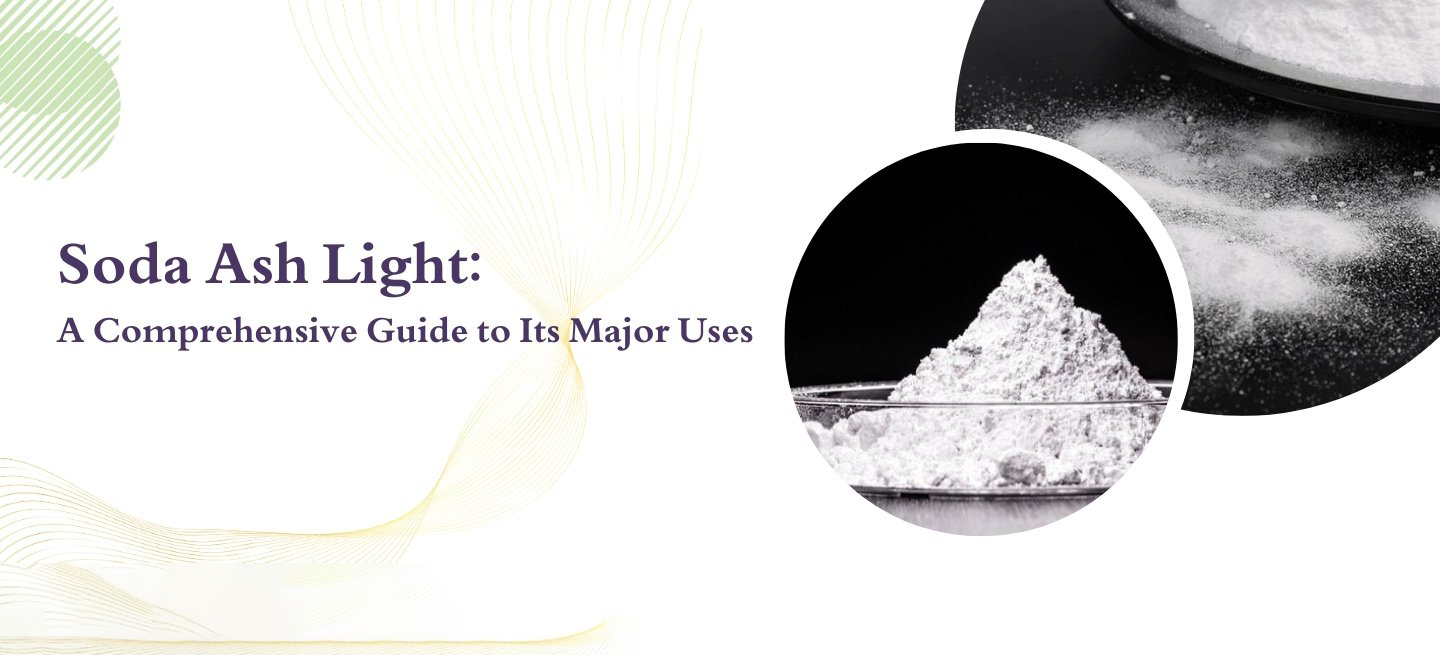
Soda Ash Light: A Comprehensive Guide to Its Major Uses

Soda Ash Light: A Comprehensive Guide to Its Major Uses

Soda Ash Light: Versatile Chemical Marvel” explores sodium carbonate’s wide-ranging applications, from glass manufacturing to water treatment. Discover its crucial roles as a catalyst, pH regulator, and cleaning agent enhancer across industries. Whether you’re an expert or curious about chemistry, dive into the blog to uncover the potential of soda ash light.

Are you curious about the versatile applications of soda ash light (sodium carbonate), commonly known as soda ash light? Whether you’re a seasoned industry professional or someone exploring the fascinating world of chemicals, this blog is your comprehensive guide to the major uses of soda ash light.


Exploring the Basics: What is Soda Ash Light?

Before diving into its applications, let’s understand the basics. Soda ash light, or sodium carbonate, is a white, odorless powder widely used in various industries. Its chemical formula, Na2CO3, reveals a combination of sodium, carbon, and oxygen, creating a compound with remarkable properties.


Glass Manufacturing – Clear Insights

One of the primary applications of soda ash light lies in the glass manufacturing industry. Acting as a flux, sodium carbonate lowers the melting point of silica, facilitating the glass-forming process. The result? Clear, durable glass products that we use in everyday life, from windows to glassware.


Water Treatment – Purifying Prowess

Soda ash’s water softening capabilities make it a go-to choice in water treatment. By neutralizing acidic water and eliminating impurities, it plays a crucial role in producing cleaner, safer water for consumption and industrial processes. Dive into the details of how soda ash transforms water quality.


Detergents and Soaps – Cleaning Chemistry

Ever wondered what gives your detergents and soaps their cleaning power? As a key ingredient, it enhances the effectiveness of cleaning agents, ensuring your clothes and dishes come out spotless. Explore the chemistry behind this household essential.


Chemical Industry – Catalyst for Reactions

In the vast realm of chemical processes, sodium carbonate acts as a catalyst, influencing reactions across industries. From textile manufacturing to pharmaceuticals, its versatile nature contributes to a myriad of processes. Uncover the secrets of soda ash’s catalytic prowess.


pH Regulation in Chemical Processes – Balancing Act

Maintaining the right pH level is critical in various chemical processes. Soda ash light steps in as a reliable pH regulator, ensuring optimal conditions for reactions. Discover how this role extends beyond the chemical industry and impacts diverse applications.


Conclusion: Soda Ash Light Unveiled

As we conclude our exploration of the major applications of sodium carbonate, it’s evident that soda ash light plays a pivotal role in diverse industries. Its versatility, coupled with unique chemical properties, makes it an indispensable component in the manufacturing and processing of countless products.

Whether you’re an industry insider seeking deeper insights or someone keen on understanding the chemistry behind everyday items, soda ash light has a story to tell. Stay tuned for more captivating revelations about the world of chemicals.

Unlock the potential of soda ash light – the unsung hero in numerous industrial processes. Dive into the blog, and let the fascinating journey begin!

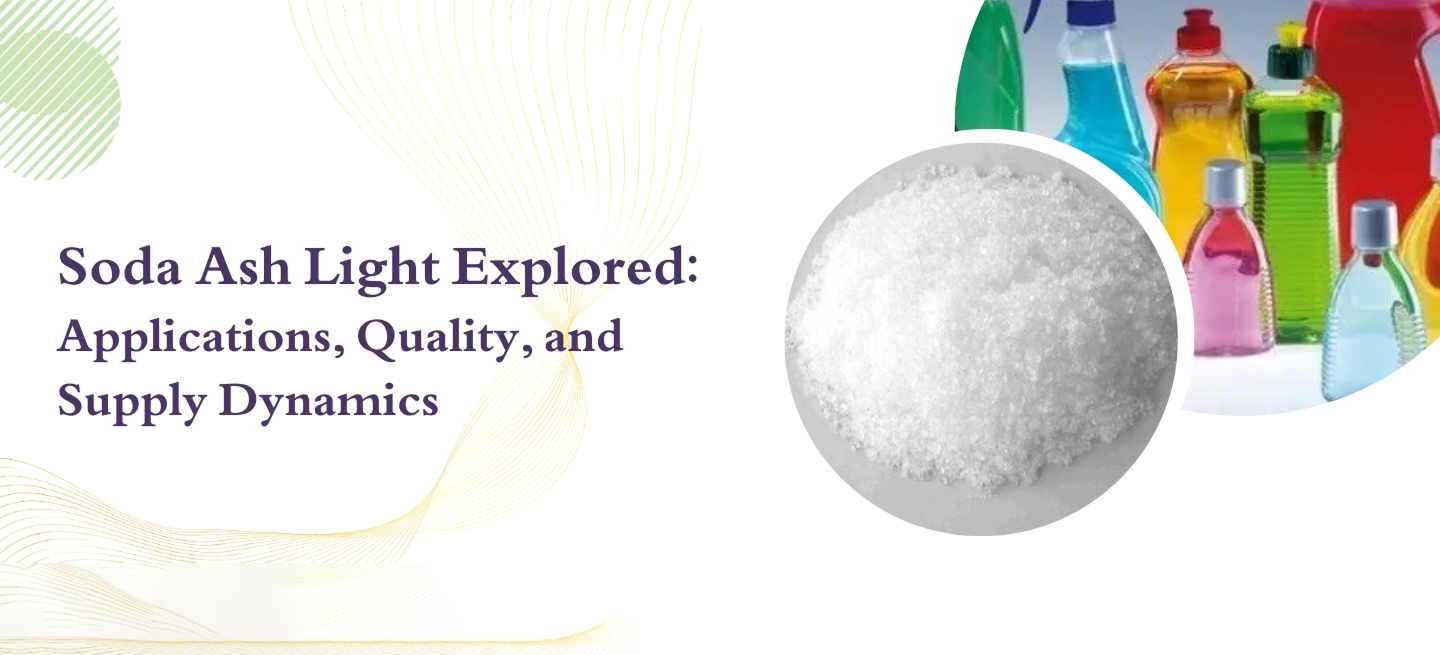
Soda Ash Light Explored: Applications, Quality, and Supply Dynamics

Soda Ash Light Explored: Applications, Quality, and Supply Dynamics

Discover soda ash’s versatility with a seasoned pro. From glass to water treatment, explore applications and ensure quality supplies with expert insights.

Welcome to the enticing world of soda ash light! With over 25 years of hands-on experience in the chemical industry, particularly with soda ash light, I am thrilled to share insights into this versatile compound. Whether you are curious about its origins, applications, or where to find a reliable soda ash light supplier, this comprehensive guide aims to demystify the world of soda ash and offer valuable information for both industry professionals and enthusiasts.


The Basics of Soda Ash Light

Soda ash light, scientifically known as sodium carbonate, is a white, odorless powder derived from sodium salts. In its light form, it boasts high purity levels and is a key player in numerous industrial applications like glass, detergent, and textile. This chapter provides a foundational understanding of what soda ash light is, how its produced, and its chemical properties.

Manufacturing Process of Soda Ash Light

Soda ash light is produced through a meticulous process involving the refinement of sodium carbonate from natural deposits or synthetic sources. The light variant is characterized by its high purity, achieved through advanced filtration and crystallization techniques. Over the years, the industry has witnessed a staggering increase in purity levels, with soda ash light often exceeding 99.5% purity, ensuring its reliability and consistency.


The Many Applications of Soda Ash Light

Soda ash light versatility extends far beyond its role in the chemical industry. In this chapter, we explore the diverse applications that make soda ash light an indispensable component in our daily lives.

Glass Manufacturing

One of the primary applications of soda ash light is in the glass industry. It serves as a crucial ingredient in the production of glass, contributing to its clarity, strength, and durability. With over 80% of the world soda ash light being used in glass manufacturing, the impact of this compound on the industry is substantial.

Water Treatment

Soda ash plays a vital role in water treatment processes, where it helps regulate pH levels and removes impurities. Globally, water treatment accounts for approximately 15% of soda ash consumption, showcasing its significant contribution to ensuring access to clean and safe drinking water for communities.


Why Soda Ash Light?

When it comes to choosing the right soda ash for your specific needs, soda ash light stands out for its purity and consistency. This chapter delves into the advantages of soda ash light over its counterparts, highlighting its suitability for critical applications.

High Purity and Consistency

Soda ash light is prized for its high purity levels, making it ideal for applications where even minor impurities can have significant consequences. With purity levels consistently exceeding 99%, soda ash light ensures a reliable and standardized product for manufacturers across various industries.


Finding the Right Soda Ash light Supplier

A crucial aspect of ensuring the quality and reliability of soda ash lies in choosing the right supplier.

Industry Reputation and Compliance

A reputable soda ash light supplier should have a proven track record in the industry, consistently meeting and exceeding regulatory standards. With over 90% of soda ash suppliers adhering to stringent environmental and safety regulations, ensuring compliance is a key factor in selecting a reliable partner.

Consistency in Product Quality

Reliable soda ash light suppliers understand the critical role their product plays in various industries. I will share my insights into how to evaluate a supplier commitment to maintaining high-quality standards, ensuring that you receive a consistent and reliable product.

The Future of Soda Ash Light

As technology advances and industries evolve, so does the landscape of soda ash light. In this concluding chapter, I offer a glimpse into the future trends and innovations within the soda ash industry.

Sustainable Production Practices

Environmental sustainability is becoming increasingly important in the chemical industry. Approximately 30% of soda ash manufacturers are investing in sustainable production practices, from energy-efficient processes to utilizing eco-friendly raw materials.
Emerging Applications

The versatility of soda ash light continues to expand, with emerging applications in fields such as pharmaceuticals, textiles, and food production. Stay ahead of the curve by understanding these evolving trends and how they might impact the demand and usage of soda ash in the coming years.


Conclusion:

Embark on a journey of discovery with soda ash light, guided by the experience and expertise of a seasoned professional in the chemical industry. Whether you are a manufacturer seeking the best soda ash light for your processes or simply intrigued by the wonders of this compound, this blog aims to provide a comprehensive and accessible resource. Explore the world of soda ash light with confidence, armed with the knowledge to make informed decisions and secure reliable supplies for your endeavors.