









The Benefits of Zinc Oxide for Skin Care and Its Role in Product Formulation

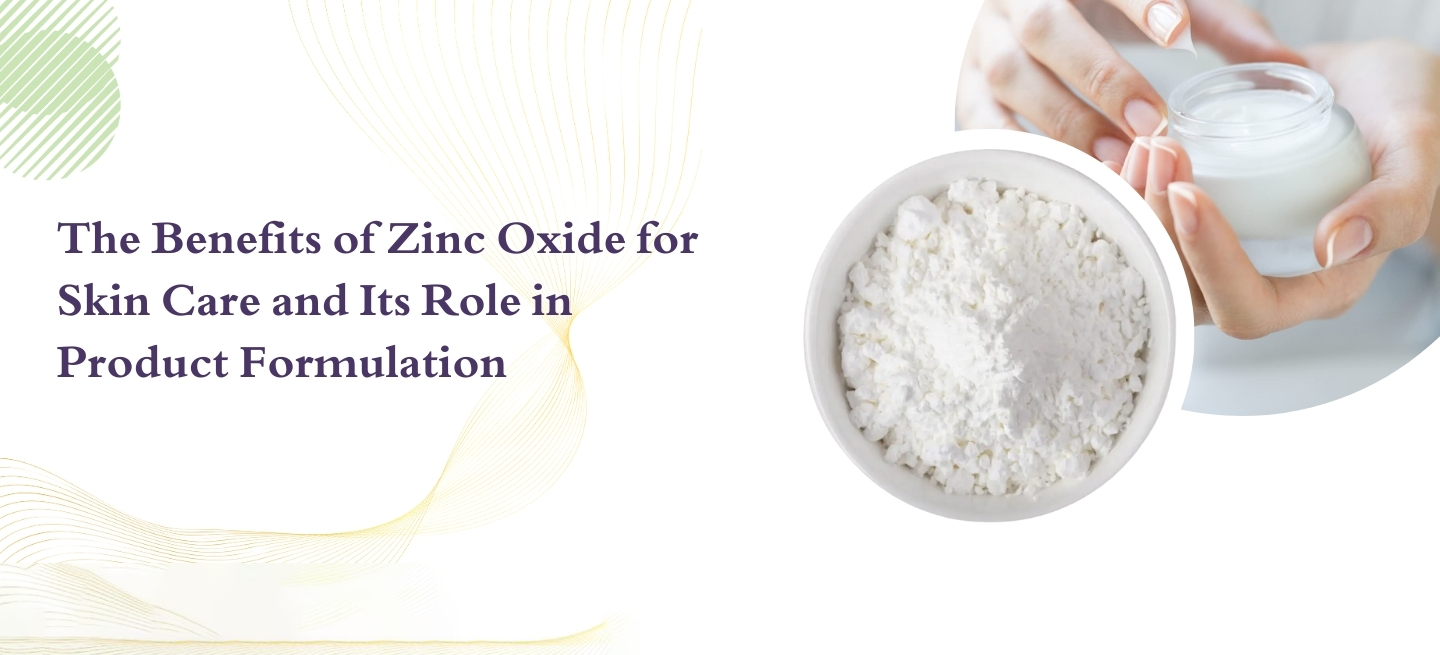
The Benefits of Zinc Oxide for Skin Care and Its Role in Product Formulation

Zinc oxide is a widely recognized ingredient in the skincare industry, known for its numerous benefits in treating and protecting the skin. As a key component in sunscreen formulations, it has also gained popularity for its ability to enhance the effectiveness of a variety of skincare products.

Zinc oxide is a widely recognized ingredient in the skincare industry, known for its numerous benefits in treating and protecting the skin. As a key component in sunscreen formulations, it has also gained popularity for its ability to enhance the effectiveness of a variety of skincare products. For manufacturers, understanding the benefits of zinc oxide for skin care and how it plays a pivotal role in product formulation can help in creating high-quality, effective products that meet consumer needs.


Benefits of Zinc oxide for skin


Zinc oxide is a mineral that is commonly used for its broad-spectrum protective properties. It acts as a physical barrier against harmful UV rays, making it an essential ingredient in sun protection products. However, the benefits of zinc oxide extend beyond just sunscreen formulations.

1. Soothing and Healing Properties

Zinc oxide has natural anti-inflammatory and antimicrobial properties, making it highly effective in soothing irritated skin and promoting healing. It is often used in formulations for sensitive skin, rashes, and conditions such as eczema or acne. By reducing redness and irritation, zinc oxide for skin helps to restore the skin’s natural barrier and accelerate recovery.

2. Skin Protection and Sun Defense

One of the most well-known benefits of zinc oxide is its ability to protect the skin from the sun’s harmful UV rays. It provides a broad-spectrum barrier against both UVA and UVB rays, which are responsible for premature aging and skin damage. For skincare manufacturers, zinc oxide for skin is a key ingredient in any sun protection product due to its ability to reflect and scatter UV radiation.

3. Oil Control and Acne Treatment

One of the most well-known benefits of zinc oxide is its ability to protect the skin from the sun’s harmful UV rays. It provides a broad-spectrum barrier against both UVA and UVB rays, which are responsible for premature aging and skin damage. For skincare manufacturers, zinc oxide for skin is a key ingredient in any sun protection product due to its ability to reflect and scatter UV radiation.

4. Acting as a Natural Preservative

Zinc oxide’s antimicrobial properties can also act as a natural preservative in skincare products. By preventing the growth of bacteria and other microorganisms, it helps maintain the integrity of the formulation. Manufacturers can use zinc oxide for skin in natural or organic products where the goal is to reduce the reliance on synthetic preservatives. This makes it a preferred choice for those looking to create products with fewer chemicals.

5. Versatility in Different Product Types

Zinc oxide is a highly versatile ingredient that can be used in various skincare formulations. It works effectively in sunscreens, moisturizers, healing balms, acne treatments, and more. Its ability to adapt to different formulations makes it an essential ingredient for manufacturers who are looking to expand their product lines and cater to a wide range of skin concerns.


Why Zinc Oxide Should Be Part of Your Product Formulation?

For skincare manufacturers, using zinc oxide for skin in your formulations offers multiple advantages. It enhances product performance by providing sun protection, soothing irritated skin, and acting as a natural preservative. Its antimicrobial properties and ability to improve texture and stability make it a must-have ingredient in a variety of skincare products.

As more consumers demand natural and effective skincare solutions, incorporating zinc oxide for skin into your formulations can help you meet these demands while offering a high-quality, reliable product. By understanding the benefits and formulation techniques, manufacturers can unlock the full potential of this powerful ingredient and develop innovative products that address a wide range of skin concerns.


Frequently Asked Questions

1. Is zinc oxide good for the skin?

Yes, zinc oxide is great for the skin. It soothes irritation, protects from UV rays, and helps with skin healing. It’s also beneficial for sensitive skin conditions like acne and eczema.

2. Can zinc oxide remove dark spots?

Zinc oxide may help lighten dark spots by promoting skin healing and reducing inflammation. However, it is not a direct treatment for hyperpigmentation, but it can support the skin’s recovery process.

3. Does zinc make skin glow?

Zinc oxide does not directly make the skin glow, but it helps maintain healthy skin by protecting it from UV damage and reducing irritation, which contributes to a smoother and more even skin tone.

4. What are the disadvantages of zinc oxide?

One disadvantage of zinc oxide is that it can leave a white cast on the skin, especially in sunscreen products. It may also cause dryness in some individuals if used in high concentrations.

5. Who should not use zinc oxide?

Zinc oxide is generally safe for most skin types, but those with allergies to zinc or sensitive skin should do a patch test first. If irritation occurs, it’s best to avoid using products with zinc oxide.
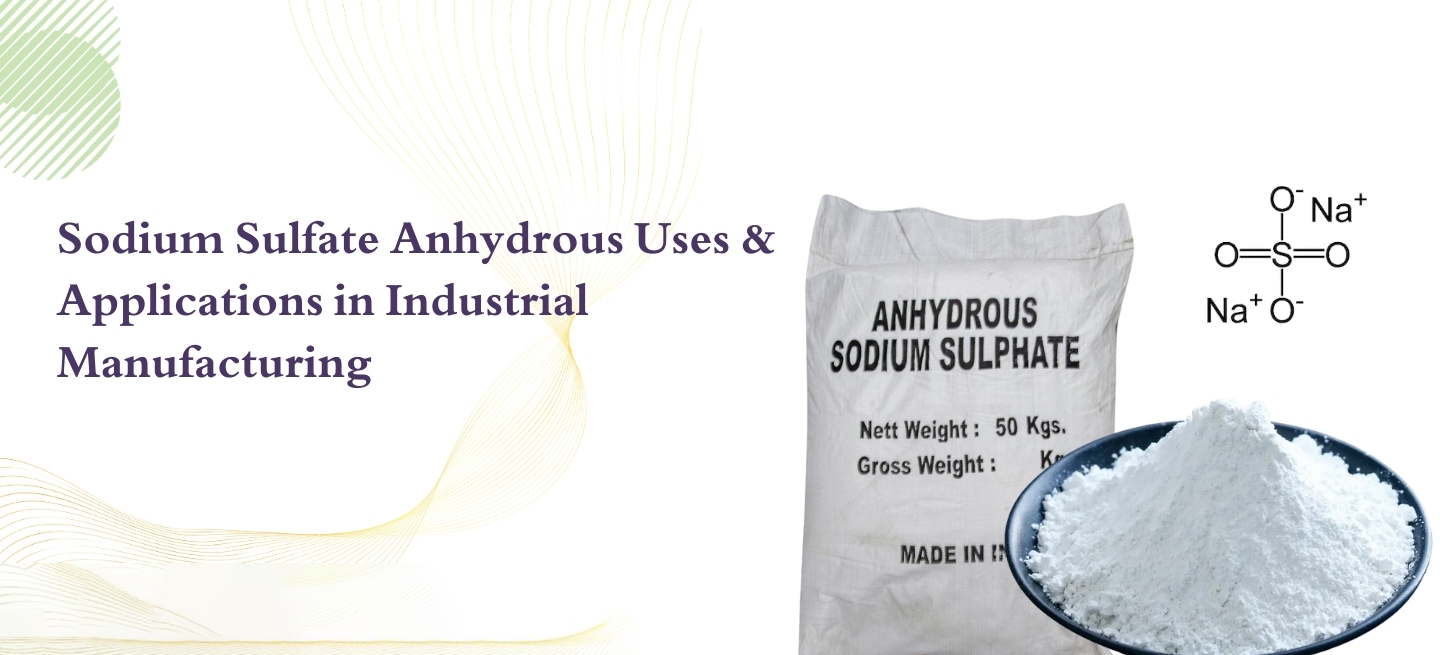
Sodium Sulfate Anhydrous Uses & Applications in Industrial Manufacturing

Sodium Sulfate Anhydrous Uses & Applications in Industrial Manufacturing

Sodium Sulfate Anhydrous is a highly versatile chemical compound known for its diverse applications in industrial manufacturing. With its unique properties, such as high solubility in water and thermal stability, this compound plays a significant role in industries like detergents, glass manufacturing, textiles, and more. Its ability to act as a drying agent, filler, and stabilizer makes it an essential ingredient in various processes, enhancing both efficiency and cost-effectiveness.

Let’s know more about sodium sulphate anhydrous uses, highlighting its role in key industries and the benefits it offers.


What is Sodium Sulfate Anhydrous?

Sodium Sulfate Anhydrous is the anhydrous form of sodium sulfate, a white crystalline solid that lacks water molecules. Known chemically as Na2SO4, it is widely valued for its:

High Thermal Stability: It can withstand high temperatures without decomposition, making it ideal for heat-intensive applications.

Solubility: Easily dissolves in water, which is beneficial for manufacturing processes requiring aqueous solutions.

Non-Toxic Nature: Its safe handling and environmentally friendly nature add to its appeal.

Derived primarily as a byproduct of various industrial processes or through natural mineral extraction, Sodium Sulfate Anhydrous has found its way into diverse manufacturing processes.


Sodium Sulphate Anhydrous Uses in Industrial Manufacturing

1.Detergent Industry

One of the largest consumers of Sodium Sulfate Anhydrous is the detergent industry. Here, it serves as a filler in powdered detergents, helping manufacturers reduce production costs while maintaining product quality.

Role in Detergents:
Sodium Sulfate Anhydrous dilutes the active detergent components, ensuring even distribution in powder form. This improves the detergent’s overall performance in washing machines, especially in hard water conditions.

Example
A laundry detergent with Sodium Sulfate Anhydrous retains its texture and effectiveness while being economical for end users.

2.Glass Manufacturing

Sodium Sulfate Anhydrous is a crucial ingredient in the production of high-quality glass.

Role in Glassmaking:
During the melting process, Sodium Sulfate Anhydrous helps remove small air bubbles trapped in the molten glass. This ensures the glass produced is smooth and free from imperfections.

Example
In the production of flat glass for windows or containers for beverages, Sodium Sulfate Anhydrous ensures transparency and durability.

3.Textile Industry

In the textile industry, Sodium Sulfate Anhydrous acts as a levelling agent, ensuring uniform dye absorption on fabrics.

Role in Dyeing:
The compound reduces the negative charges on fibers, allowing dyes to bind evenly. This minimizes streaks and uneven coloring, resulting in vibrant, high-quality textiles.

Example
Cotton fabrics dyed using Sodium Sulfate Anhydrous exhibit consistent colors across large batches, meeting the standards for premium garments.

4.Pulp and Paper Industry

Sodium Sulfate Anhydrous plays an essential role in the kraft process, a widely used method of converting wood into pulp.

Role in Pulping:
It acts as a cooking chemical, aiding in the breakdown of lignin (the substance that binds wood fibers). Additionally, Sodium Sulfate Anhydrous contributes to chemical recovery in the process, making it more sustainable.

Example
High-grade paper products, such as office paper or packaging materials, rely on the efficient pulping process enabled by Sodium Sulfate Anhydrous.


Benefits of Using Sodium Sulfate Anhydrous

Cost-Effectiveness

Its affordability makes it a preferred choice for industries aiming to optimize costs without compromising quality.

Versatility

Applicable in a wide range of industries.

Eco-Friendliness

Sodium Sulfate Anhydrous is non-toxic and biodegradable, reducing environmental impact.

Enhanced Efficiency

Whether it’s ensuring uniform dyeing or removing air bubbles in glass, it boosts manufacturing precision and quality.


Why Choose PCIPL for Sodium Sulfate Anhydrous?

PCIPL is a trusted supplier of high-quality Sodium Sulfate Anhydrous, catering to diverse industries globally. Our commitment to delivering top-notch chemical solutions ensures:

  • Stringent quality control standards.
  • Consistent supply tailored to your industrial needs.
  • Expert technical support to help you optimize your manufacturing processes.

Sodium Sulfate Anhydrous is an indispensable component in industrial manufacturing, offering unmatched versatility and cost-efficiency. Its role in improving detergent formulations, glass quality, textile dyeing, and more underscores its importance across industries.


Frequently Asked Questions

1.What is the purpose of adding anhydrous sodium sulfate?

Anhydrous sodium sulfate is added to industrial processes as a drying agent to remove moisture from liquids. It is also used as a filler in products like detergents, improving consistency and reducing production costs.

2.Is anhydrous sodium sulfate safe to use?

Yes, anhydrous sodium sulfate is safe to use in various industrial applications. It is non-toxic, biodegradable, and commonly used in products like detergents, glass, and textiles without posing significant health risks.

3.Can anhydrous sodium sulphate absorb water?

Yes, anhydrous sodium sulfate has the ability to absorb water. It is highly hygroscopic, meaning it can attract and absorb moisture from the surrounding environment, which is why it is commonly used as a drying agent in industrial applications.

4.What happens when water is added to anhydrous?

When water is added to anhydrous sodium sulfate, it hydrates and forms sodium sulfate decahydrate (Na2SO4·10H2O). This reaction releases heat and causes the substance to change from a solid, anhydrous form to a crystalline, hydrated form. This is why anhydrous sodium sulfate is used as a drying agent, as it readily absorbs water to convert into its hydrated state.

Cocamidopropyl Betaine for Hair (Haircare Formulation Benefits)

Cocamidopropyl Betaine for Hair (Haircare Formulation Benefits)

In the personal care industry, understanding the ingredients that enhance product performance is crucial for manufacturers. One such ingredient is Cocamidopropyl Betaine, a versatile surfactant derived from coconut oil. But, What is Cocamidopropyl Betaine? It’s a mild amphoteric surfactant commonly used in hair care formulations for its excellent cleansing and foaming properties.

This ingredient not only contributes to the effectiveness of shampoos and conditioners but also offers a range of benefits that appeal to manufacturers aiming to create high-quality hair care products.


What is Cocamidopropyl Betaine?

Cocamidopropyl Betaine is a mild surfactant derived from coconut oil. It is synthesized through the reaction of coconut fatty acids with dimethylaminopropylamine, creating a biodegradable compound that effectively balances both mildness and performance. As an amphoteric surfactant, it can function as both a cationic and anionic agent, making it highly versatile in formulations for various applications.

Chemical Name: Cocamidopropyl Betaine
CAS Number: 61789-40-0
Molecular Formula: C19H38N2O3


Benefits of Cocamidopropyl Betaine for Hair

Manufacturers recognize the benefits of CAPB for its ability to meet both consumer expectations and production requirements, making it a preferred choice in hair care formulations. Here’s why it stands out:

Mild Cleansing Action

Cocamidopropyl Betaine offers gentle yet effective cleansing without stripping away essential natural oils. This makes it ideal for individuals with sensitive scalps or those who experience irritation with harsher surfactants.

Improved Foam Quality

CAPB enhances the foaming properties of shampoos and conditioners, creating a rich, luxurious lather that consumers associate with premium hair care products. This satisfying foam doesn’t just improve user experience; it also reflects effective cleansing

Conditioning Effects

Beyond cleansing, Cocamidopropyl Betaine delivers conditioning benefits, leaving hair feeling softer and more manageable. It contributes to the smooth texture that consumers desire, making it a suitable ingredient for products aimed at enhancing hair health.

Compatibility with Other Ingredients

This ingredient is compatible with a wide array of surfactants and conditioning agents, allowing manufacturers to create various formulations, from mild cleansers to deeply conditioning products, without sacrificing efficacy.

Environmental Sustainability

As consumer interest in sustainability grows, Cocamidopropyl Betaine’s biodegradable nature aligns well with eco-conscious practices. Brands focused on sustainability find it an ideal ingredient to meet these consumer demands.

Non-Irritating and Gentle

Thanks to its mild profile, Cocamidopropyl Betaine is safe for all hair types and is often used in formulations for children and individuals with sensitive skin. Its gentle formulation ensures a positive experience for diverse users.


Why Do Manufacturers Prefer Cocamidopropyl Betaine in Hair Care Products?

Manufacturers prefer Cocamidopropyl Betaine for its mild cleansing, rich lather, and conditioning benefits. It’s gentle on the scalp, compatible with other ingredients, and supports eco-friendly formulations, making it ideal for quality hair care products.

Manufacturers find Cocamidopropyl Betaine advantageous not only for its benefits in formulation but also for its alignment with industry standards and market trends.

Meeting Consumer Expectations

With rising consumer awareness around ingredient safety, the demand for milder, safer alternatives has grown. Cocamidopropyl Betaine allows manufacturers to position their products as gentle and effective solutions, meeting consumer needs while maintaining quality.

Differentiation in a Competitive Market

The hair care market is highly competitive, with brands striving to stand out. Including Cocamidopropyl Betaine as a unique selling point can help differentiate a brand’s offerings, positioning them as high-quality choices in a crowded space.

Compliance with Regulations

Regulatory compliance is a key consideration in the cosmetic industry. Cocamidopropyl Betaine is well-documented and widely accepted as a safe ingredient, allowing manufacturers to meet stringent regulatory requirements with minimal risk.

Cost-Effectiveness

Cocamidopropyl Betaine enhances foaming and conditioning properties efficiently, providing high performance at a reasonable cost. This cost-effectiveness supports manufacturers in delivering premium formulations without significantly increasing production expenses.


Formulation Considerations for Incorporating Cocamidopropyl Betaine in Hair Care Products

When using CAPB in formulations, manufacturers should keep a few factors in mind to optimize product performance and ensure quality.

Concentration Levels

CAPB is typically used in concentrations ranging from 5% to 15%, depending on the formulation’s purpose. Testing different levels will help manufacturers find the ideal concentration that balances effectiveness with mildness.

pH Balance

Maintaining an appropriate pH balance is crucial for product stability and performance. Cocamidopropyl Betaine works best in slightly acidic formulations (pH 4.5 to 5.5), which aligns with the natural pH levels of hair and scalp.

Regulatory Compliance

To ensure product safety, it’s essential to stay updated on local regulations regarding cosmetic ingredients. CAPB is generally regarded as safe, but it’s still important for manufacturers to monitor regulatory updates for full compliance.


Cocamidopropyl Betaine Applications in Hair Care Products

CAPB is widely used in various hair care products due to its versatile properties:

  • Shampoos: Enhances cleansing and foaming while maintaining mildness for all hair types.
  • Conditioners: Improves manageability and adds conditioning benefits without weighing down the hair.
  • Hair Styling Products: Adds to gels and mousses, providing a pleasant, consistent application experience.

Kids’ Hair Care Products: Its gentle nature makes it suitable for children’s formulations.

Cocamidopropyl Betaine is a versatile and sustainable surfactant that offers various benefits, from mild cleansing to improved conditioning. It’s an ideal choice for manufacturers looking to meet consumer demand for gentle, effective hair care solutions while aligning with environmental standards. With its compatibility and performance benefits, Cocamidopropyl Betaine remains a preferred ingredient in high-quality hair care formulations.


Frequently Asked Questions

Is Cocamidopropyl Betaine bad for hair?

No, Cocamidopropyl Betaine is generally safe for hair and suitable for most hair types. Its mild cleansing properties make it ideal for sensitive scalps and users who prefer gentle products.

Is Cocamidopropyl Betaine safe?

Yes, Cocamidopropyl Betaine is widely recognized as safe for use in personal care products. However, individuals with specific sensitivities may want to perform a patch test.

Is Cocamidopropyl Betaine safe on skin?

Cocamidopropyl Betaine is generally safe for most skin types when used in appropriate concentrations. However, those with sensitive skin should consider patch testing first, as some may experience minor irritation.

Is Cocamidopropyl Betaine natural?

Cocamidopropyl Betaine is derived from coconut oil combined with dimethylaminopropylamine, making it a natural-based compound that is suitable for eco-conscious formulations.

Why Do Manufacturers Prefer Cocamidopropyl Betaine for Hair Care Products?

Manufacturers prefer Cocamidopropyl Betaine for its mild cleansing, rich lather, and conditioning benefits. It’s gentle on the scalp, compatible with other ingredients, and supports eco-friendly formulations, making it ideal for quality hair care products.

Is Coco Betaine the same as Cocamidopropyl Betaine?

No, Coco Betaine is a broader term for surfactants from coconut oil, while Cocamidopropyl Betaine is a specific type with additional modifications for milder surfactant action.

Binders: Boosting Performance across Industries

Binders: Boosting Performance across Industries

In today’s fast-paced world, industries are constantly searching for ways to enhance the performance of their products. One key ingredient that plays a crucial role in this enhancement is binders. Binders are versatile substances that help improve the structural integrity and functionality of various products. At Prakash Chemicals International, we offer a range of binders that cater to diverse industrial needs, ensuring superior performance and sustainable solutions.


Binders in Architectural Paints & Coatings

When it comes to architectural paints and coatings, binders are indispensable. They significantly influence the final properties of the coating, including its appearance, durability, and performance. Our binder chemistries are designed to provide exceptional benefits in this domain:

1.Exceptional Hiding Power: Our binders improve the hiding power of paints, ensuring better coverage and a more uniform finish. This means fewer coats are needed to achieve the desired look, saving both time and money.

2.Superior Adhesion: Adhesion is critical in paints and coatings, as it determines how well the paint sticks to the surface. Our binders ensure that the paint adheres strongly to a variety of substrates, preventing peeling and flaking over time.

3.Enhanced Durability: Durability is a key factor in the longevity of paints and coatings. Our binders enhance the durability of the coatings, making them resistant to wear and tear, weather conditions, and other environmental factors.


Binders in the Food Industry

Binders are not just limited to industrial applications; they also play a significant role in the food industry. Our food binders are formulated to enhance the quality and stability of various food products:

1.Stability: Our binders provide stability to food products, preventing separation and ensuring a consistent texture. This is particularly important in products like sauces, dressings, and baked goods.

2.Firmness: In food items where texture is crucial, our binders add the necessary firmness, giving the product the desired bite and feel.

3.Flavor Retention: Our food binders are designed to enhance the overall flavor profile of the products, ensuring that the taste remains rich and consistent throughout its shelf life.


Why Choose Our Binders?

At Prakash Chemicals International, we take pride in offering binders that are tailored to meet the specific needs of our customers across various industries. Here are a few reasons why our binders stand out:

1.Innovative Chemistry: Our research and development team constantly works on innovative binder chemistries that provide superior performance and sustainability.

2.Customized Solutions: We understand that different industries have different requirements. Therefore, we offer customized binder solutions that cater to the unique needs of each customer.

3.Quality Assurance: Quality is paramount in everything we do. Our binders undergo rigorous testing to ensure they meet the highest standards of performance and safety.

Conclusion
Binders are an essential component that significantly enhances the performance of products across a wide range of industries. Whether it’s achieving superior adhesion and durability in architectural paints and coatings or adding stability and texture to food products, our binders offer exceptional benefits.

At Prakash Chemicals International, we are dedicated to providing high-quality, sustainable binder solutions that meet the diverse needs of our customers, driving innovation and excellence in every application.

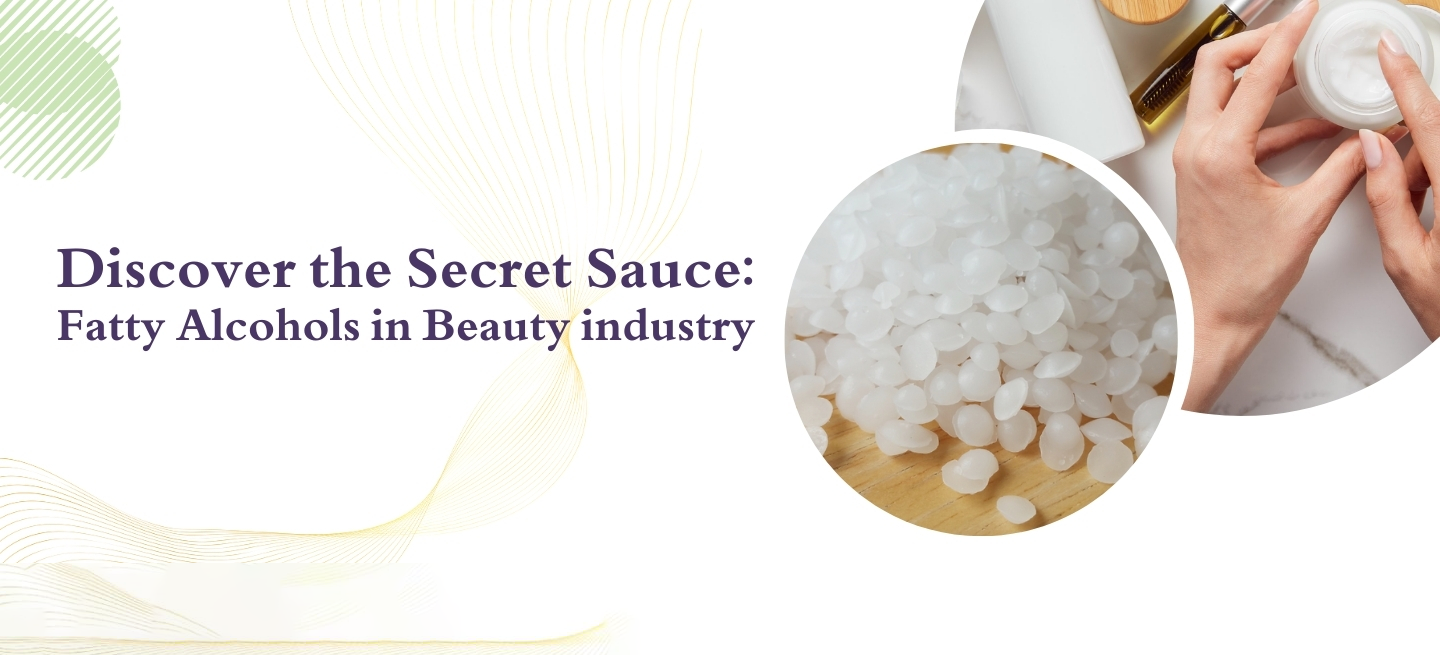
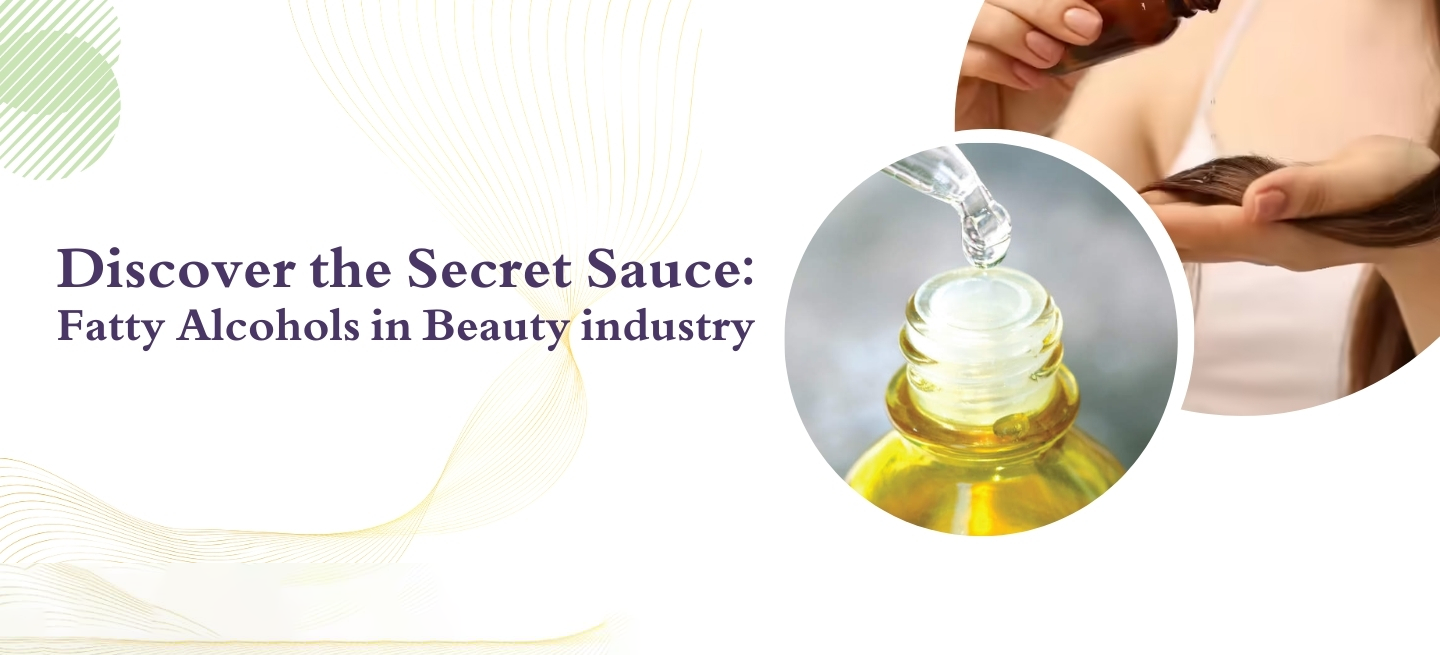
Discover the Secret Sauce: Fatty Alcohols in Beauty industry

Discover the Secret Sauce: Fatty Alcohols in Beauty industry

Dive into the world of fatty alcohols and uncover their benefits in cosmetics. From moisturizing shampoos to luxurious creams, explore how these versatile ingredients can transform your skincare routine, leaving you with radiant and healthy-looking skin.

Raw materials for the cosmetic industry may look like a confusing tangle of unrecognizable scientific names, but they don’t have to be a mystery anymore…

Amongst many, one such is Fatty Alcohols. Fatty alcohols are among the most commonly used ingredients in Personal Care and Home Care formulations.

One might think about what exactly are fatty alcohols? Fatty alcohols are versatile chemicals derived from palm oil, palm kernel oil, or mustard oil that offer themselves to a large range of applications. Fatty alcohols are usually high-molecular-weight, straight-chain primary alcohols, but can also range from as few as 4–6 carbons to as many as 22–26, derived from natural fats and oils. The precise chain length varies with the source.

To summarize, one can classify fatty alcohols under three categories:
A) Short Chain (< C6) B) Medium Chain (C6 to C12) C) Long Chain (> C12)

Since Long-chain fatty alcohols are the ones majorly used in cosmetics products, I have tried to explain and differentiate how each long-chain fatty alcohol can be beneficial for different applications.

Cetyl Alcohol and Cetostearyl Alcohol

Cetyl alcohol is used as a thickening agent and emulsifier to help keep products’ ingredients from separating. Because Cetyl alcohol melts at temperatures higher than the average human body temperature, it is useful in cosmetic products like lipsticks, helping lip color adhere to the skin. It is oilier than most other alcohols giving it a moisturizing quality; this is why it is also used in conditioners. It can make hair feel thicker and softer. This moisturizing quality especially makes it useful in moisturizing shampoos. It is also used as an opacifier in shampoos, i.e. to make them opaque and as a foam boosting and foam stabilizing agent. It is also used as a binding agent helping the various ingredients in many moisturizers, lotions and creams bind together, which helps enable the smooth application.

Cetyl and Stearyl Alcohols generally appear together in hair conditioners as co-surfactants, which help reduce the surface tension of water. Apart from providing lubrication in skin creams and hand lotions, the same is employed in industries to smoothen nuts, pins, and bolts of machines. Cetyl Stearyl alcohol is commonly known as Cetostearyl Alcohol.

Stearyl Alcohol: Stearyl alcohol functions as a thickener and stabilizes the amount of foaming in the conditioner. Conditioners with Stearyl alcohol are more viscous than those without.

Hope this would help you in selecting the right ingredient for your cosmetic formulation.

Disclaimer: The information contained above is for general guidance or matters of interest only. The application and impact laws can vary widely based on the specific facts involved. While we have made every attempt to ensure that the information shared is accurate and has been obtained from personal interactions with industry experts as well as other secondary reliable sources.

Analyzing Demand & Supply Dynamics of Mineral Oil

Analyzing Demand & Supply Dynamics of Mineral Oil

Discover the relationship between mineral oil and price stability as we dive into the economic insights and their impact. Through a detailed analysis of demand and supply dynamics, we uncover the underlying forces shaping the mineral oil market’s trajectory.

With the current market changes, the price of mineral oils, especially white mineral oil, is increasing. As per the latest reports, the growth of the mineral oil market is expected to remain at 4 per cent by 2027. Therefore, the producers and the suppliers of the mineral oils have to stay alter to make a profit with this opportunity.

Among the allied industries, the growing demand for this oil is the highest in the personal care or cosmetic industry. After the personal care industry, the pharmaceutical industry is the next, creating a massive demand for this oil.

The increasing demand for these oils can cause a price hike. Therefore, the white mineral oil suppliers are taking measured steps to stabilise their profits in the long run. They are adopting the latest technology to forecast future growth and recruit more people to maintain the market’s stability.

With the lessons from the pandemic, you can store the oil to avoid future market blockages. The demand for this oil is continuously increasing, but the major countries can tight the supply of this oil in the future. In simple words, the potentiality of this mineral oil is enormous. Thus, the collection of these items can be disrupted in the future.

Thus, an analysis of the demand side and the supply side of the mineral oils is required here. You can follow the detailed discussion here;

Supply analysis

The supply of mineral oil has been continuous over the years. These mineral oils are odorless and tasteless and thus can be used in food processing. The major global firms are producing these oils to meet the market’s demand.

1.Adopting new technology is the main reason for the increasing supply of these mineral oils.

2.The constant support of research and development in the mineral oil field has also contributed to this growing supply.

3.Many companies adopt merger and acquisition strategies to produce more gallons of mineral oils. This would also ensure the intact supply of these oils.

4.To stabilize the market, significant counties are coming together to sign a pact regarding the smooth supply of mineral oil throughout the year.

Therefore, the government agencies boosted the suppliers to produce more mineral oil to satisfy the demand. Some countries have also tightened the cap on making oils, resulting in a shortfall in supply.


Demand analysis

The demand for mineral oils is enormous in each sector, from the pharmaceutical to cosmetics. The use of mineral oils in the food processing industry is also immense, and in recent times, these oils are also used in making rubbers and plastic items.

1. In the pharmaceutical industry, mineral oil is enormous as it is used to make vaccines, nasal sprays, antibiotics, etc. This oil is also used in IVF procedures and other critical areas of medicines.

2. In the cosmetic industry, mineral oil is applied mainly for making sunscreens, baby products, personal hygiene products, creams, and so on.

3. In the automobile industry, this oil is used as a lubricant for car engines. This oil ensures the smooth functioning of car engines and can increase the car’s lifespan.

4. In the food processing industry, this oil is used to make packaged food products as it helps to increase the shelf life. Apart from that, this oil is also used in packaging meat products.

Finally, after analysis of both sides, a slight decrease in supply can increase the price level of this oil. The demand side is growing continuously n d. Thus, it needs support from the supply side to stabilize the price.

For more, visit https://www.pciplindia.com/product-detail/White-Mineral-Oil

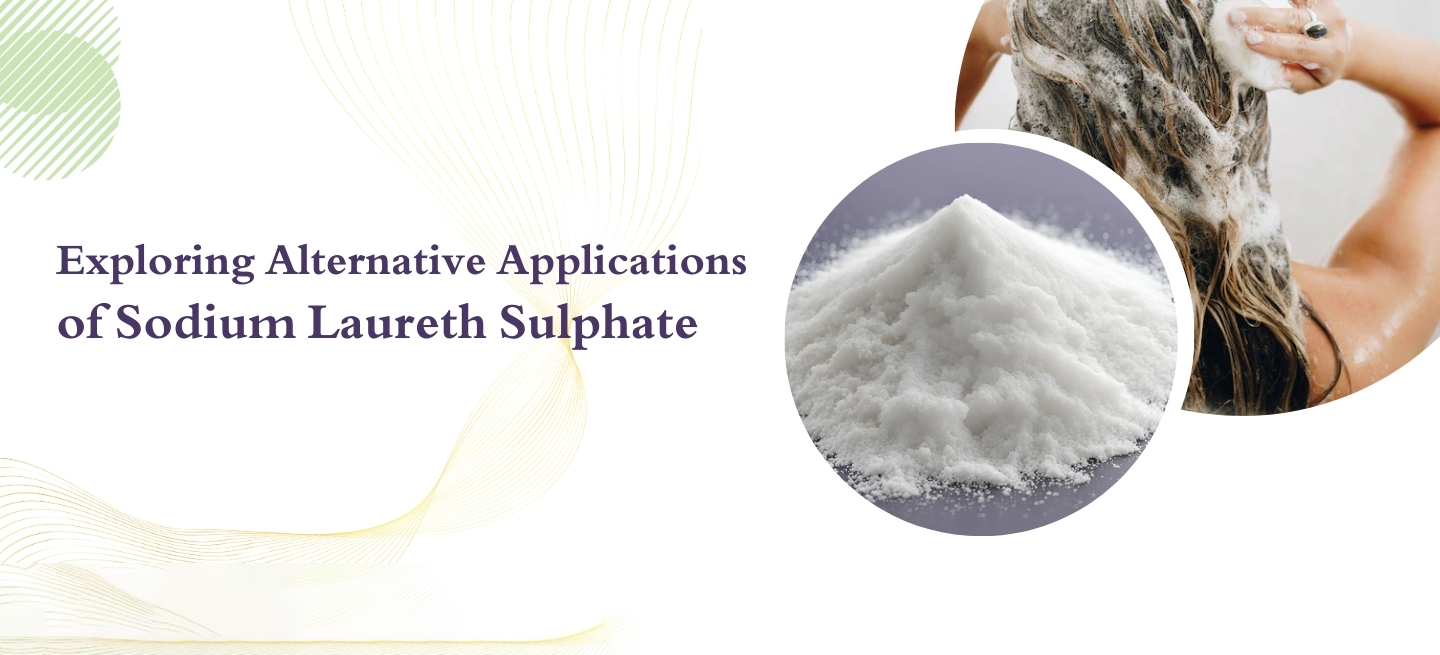
Exploring Alternative Applications of Sodium Laureth Sulphate

Exploring Alternative Applications of Sodium Laureth Sulphate

Explore the versatility of sodium laureth sulphate (SLES) across industries like agriculture, pet care, and more. Discover its role in enhancing formulations, improving bonding strength, and driving innovation in various sectors. Unlock the potential of SLES for superior performance and efficiency, making it a cornerstone ingredient in diverse applications.

SLES, or Sodium Laureth Sulfate, is a versatile surfactant commonly used in various industries for its excellent cleaning and foaming properties. While it is predominantly recognized for its presence in personal care products such as shampoos, soaps, and toothpaste, its utility extends far beyond just hygiene formulations. In this article, we delve into alternative applications of SLES across diverse industries, highlighting its efficacy and versatility.


Agrochemicals: Enhancing Crop Protection and Agricultural Formulations

In the realm of agrochemicals, SLES (sodium laureth sulphate) finds significant utility in crop protection products and agricultural formulations. Its surfactant properties make it an excellent ingredient in herbicides, pesticides, and fungicides. SLES aids in the dispersion and adhesion of active ingredients onto plant surfaces, ensuring effective coverage and absorption. Moreover, its ability to lower surface tension facilitates better wetting and penetration, enhancing the overall efficacy of agricultural sprays and formulations.


Formulations of Adhesives and Sealants: Improving Bonding Strength and Durability

In the adhesive and sealant industry, SLES (sodium laureth sulphate) serves as a vital component in formulating products with superior bonding strength and durability. Its surfactant properties enable proper wetting of substrates, promoting better adhesion and cohesion. Additionally, SLES aids in stabilizing emulsions and improving the flow properties of adhesives and sealants, resulting in smoother application and enhanced performance. Whether in construction, automotive, or packaging, SLES contributes to the development of robust and reliable bonding solutions.


Pet Care Products: Gentle Yet Effective Cleaning Solutions

Pet care products, including shampoos, conditioners, and grooming foams, benefit greatly from the inclusion of SLES. Its mild yet effective cleansing action makes it ideal for maintaining the hygiene and appearance of pets. SLES(sodium laureth sulphate) helps to remove dirt, oils, and odor-causing impurities from the coat and skin, leaving pets clean and fresh without causing irritation or dryness. Furthermore, its foaming properties create a luxurious lather, enhancing the bathing experience for both pets and their owners.


Paint Stripping Formulations: Efficient Removal of Coatings and Finishes

In industrial and commercial settings, SLES (sodium laureth sulphate) plays a crucial role in paint stripping formulations designed for removing coatings and finishes from various surfaces. Its ability to solubilize and emulsify paint components facilitates the efficient removal of stubborn coatings, including acrylics, enamels, and epoxies. SLES-based paint strippers offer an effective and environmentally friendly alternative to harsh chemical solvents, minimizing health and safety risks while achieving excellent results.


Conclusion

Sodium laureth sulphate (SLES) showcases its versatility across industries, from agriculture to pet care and beyond. Its effectiveness in various formulations highlights its importance as a key ingredient, promising continued innovation and application in the future.

To explore and purchase SLES, visit PCIPL for a wide selection of options.

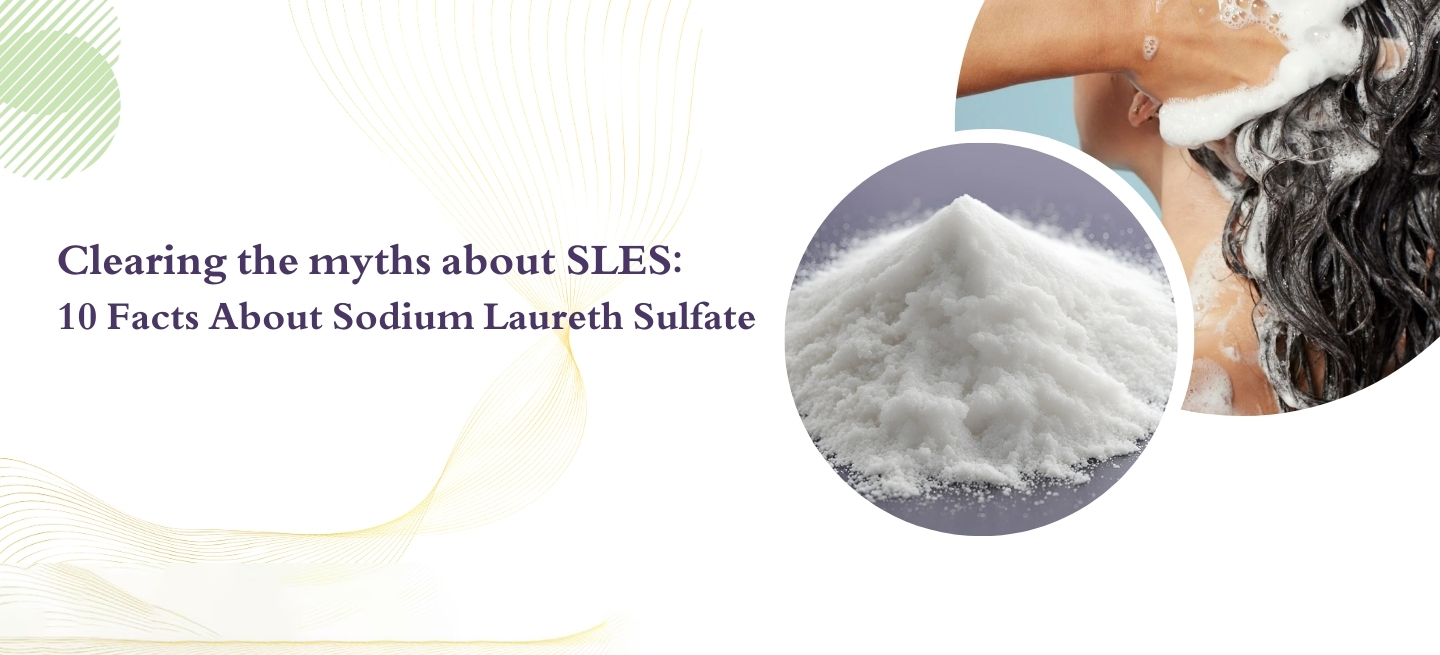
Clearing the myths about SLES: 10 Facts About Sodium Laureth Sulfate

Clearing the myths about SLES: 10 Facts About Sodium Laureth Sulfate

Embark on a journey with us as we unravel the truths and debunk the top 10 myths surrounding Sodium Laureth Sulfate (SLES), providing clarity and understanding on this commonly misunderstood chemical compound.

As an expert within the chemicals sector, particularly in the realm of Sodium Laureth Sulfate (SLES), I’ve encountered numerous misconceptions surrounding this common ingredient. From skincare forums to social media platforms, misinformation about SLES abounds, often leading to unnecessary fear and confusion among consumers.


Top 10 myths about Sodium Laureth Sulfate (SLES)

So with this topic we’ll tackle the top 10 myths surrounding Sodium Laureth Sulfate (SLES), providing evidence-based insights to help you make informed decisions about the products you use or purchase.

Myth 1: Sodium Laureth Sulfate (SLES) is the Same as Sodium Lauryl Sulfate (SLS)

Fact: While both SLES and SLS are surfactants derived from coconut oil, they have different chemical structures. SLES is considered milder and less irritating to the skin compared to SLS, thanks to an additional ethoxylation step in its production process.

Myth 2: Sodium Laureth Sulfate (SLES) Causes Cancer

Fact: There is no scientific evidence linking SLES to cancer. Numerous studies conducted by regulatory bodies and independent research institutions have affirmed the safety of SLES when used as directed in cosmetic and personal care products.

Myth 3: Sodium Laureth Sulfate (SLES) Is Harmful to the Environment

Fact: Like many surfactants, SLES can biodegrade under appropriate conditions, minimizing its environmental impact. Additionally, manufacturers often employ measures to ensure responsible sourcing and production practices, further mitigating environmental concerns.

Myth 4: SLES Strips the Skin of Natural Oils

Fact: While Sodium Laureth Sulfate (SLES) is a powerful cleanser, it does not indiscriminately strip the skin of its natural oils. Proper formulation and concentration levels in skincare products help maintain the skin’s moisture balance while effectively removing dirt and impurities.

Myth 5: SLES Causes Skin Irritation and Allergies

Fact: SLES is generally well-tolerated by most individuals when used in cosmetic formulations within recommended concentrations. Skin irritation or allergic reactions are rare and typically occur in individuals with pre-existing sensitivities or when products are misused.

Myth 6: SLES is Always Derived from Petroleum

Fact: SLES can be derived from both petroleum and natural sources such as coconut oil. Many manufacturers offer Sodium Laureth Sulfate (SLES) derived from renewable plant-based sources, catering to consumers’ growing preference for sustainable ingredients.

Myth 7: SLES is Unsafe for Use in Baby Products

Fact: SLES is widely used in baby shampoos and cleansers due to its mildness and effectiveness in cleansing delicate skin and hair. However, as with any skincare product, it’s essential to choose formulations specifically formulated for infants and follow usage guidelines.

Myth 8: SLES Causes Hair Loss

Fact: There is no scientific evidence supporting the claim that SLES causes hair loss. Hair loss can result from various factors, including genetics, hormonal imbalances, and certain medical conditions, but not from the use of SLES-containing products.

Myth 9: SLES is a Carcinogen

Fact: Contrary to popular belief, Sodium Laureth Sulfate (SLES) is not classified as a carcinogen. Regulatory agencies such as the FDA, EU Commission, and Health Canada have deemed SLES safe for use in cosmetic and personal care products based on extensive safety evaluations.

Myth 10: Sodium Laureth Sulfate (SLES) Is Always Harsh and Drying

Fact: SLES can be formulated at varying concentrations and combined with other ingredients to tailor its cleansing properties to different skin and hair types. When used in well-formulated products, SLES effectively removes dirt and oil without leaving the skin feeling dry or tight.


Conclusion

In conclusion, Sodium Laureth Sulfate (SLES) is a widely-used surfactant with a long history of safe and effective use in cosmetic and personal care products. By debunking these myths and understanding the facts, consumers can confidently navigate the landscape of skincare and make informed choices that align with their preferences and values. Prakash Chemicals International Private Limited stands as one of the leading chemical suppliers. PCIPL offers a comprehensive list of chemicals, including high-quality Sodium Laureth Sulfates (SLES).

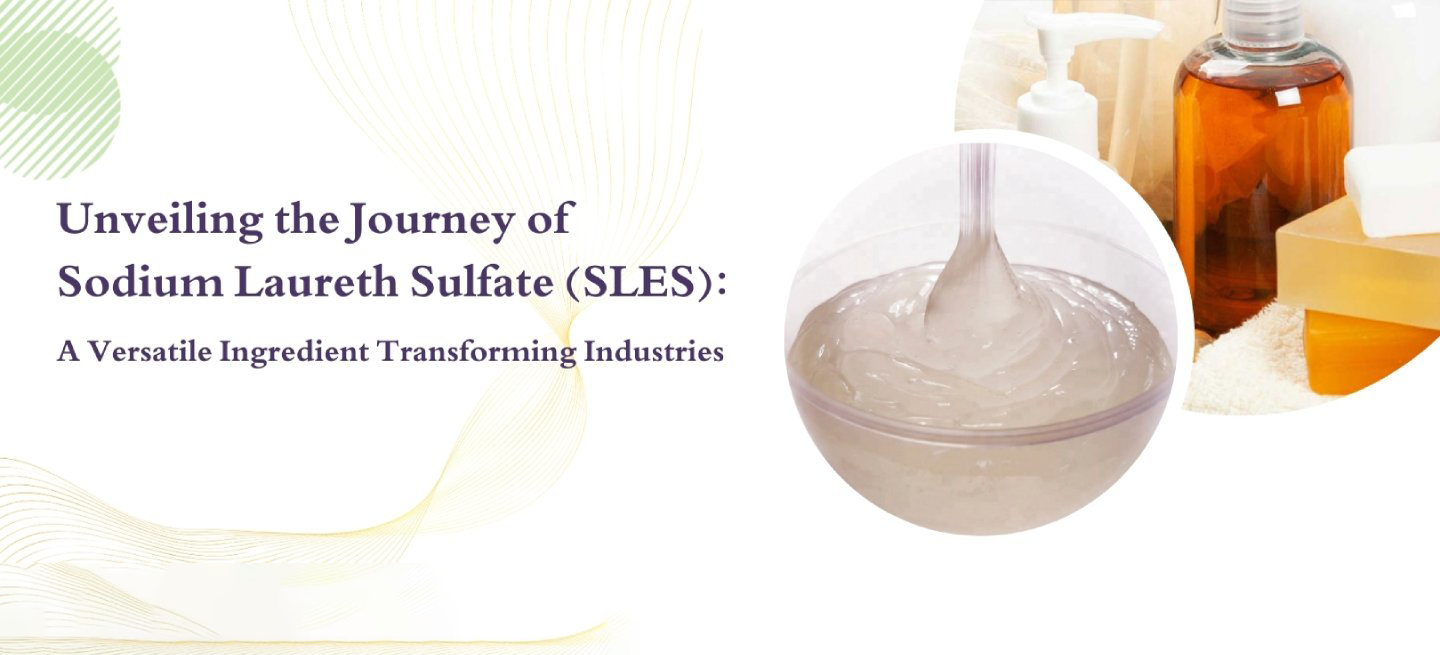
Unveiling the Journey of Sodium Laureth Sulfate (SLES): A Versatile Ingredient Transforming Industries

Unveiling the Journey of Sodium Laureth Sulfate (SLES): A Versatile Ingredient Transforming Industries

Discover the remarkable journey of Sodium Laureth Sulfate (SLES) from obscurity to indispensability in modern industries. Explore its chemistry, evolution, and diverse applications, driving innovation across various sectors.

From obscurity to ubiquity, the evolution of Sodium laureth sulfate (SLES) into a pivotal ingredient across a crowd of products is a testament to its remarkable journey. SLES manufacturers have witnessed its ascendancy as a favored component, owing to its multifaceted utility and efficacy.

But what exactly is SLES, and what attributes have propelled its widespread commercialization?

In this comprehensive exploration, we dig into the chemical complexity, manufacturing processes, and diverse industrial applications of Sodium laureth sulfate (SLES).
Understanding Sodium laureth sulfate SLES:

Sodium Laureth Sulfate (SLES) belongs to the family of sodium and ammonium alkyl ether sulfates, renowned for their cost-effectiveness and exceptional surfactant properties. Serving as both foaming agents and detergents, SLES is prized for its synthetic yet safe cleansing capabilities, typically comprising 30% to 70% of commercial formulations.


Global Market Dynamics and Rising Demand:

The global SLES market is projected to surpass $1.5 billion USD by 2025, fueled by escalating demand, particularly in the realm of personal care products. Heightened emphasis on health, grooming, and environmental consciousness has underpinned SLES’s market ascendancy, bolstered by its affordability, accessibility, and versatility in formulation.


Chemical Composition and Properties:

Functioning as an anionic surfactant, SLES boasts unparalleled cleansing efficacy, emulsification prowess, and foam stability. Its chemical formula, CH3(CH2)10CH2(OCH2CH2)nOSO3Na, manifests as a yellow-white paste, ideal for an array of applications spanning personal care, cosmetics, and household cleaning products.


Distinguishing SLES from SLS:

In comparison to its predecessor, Sodium Lauryl Sulfate (SLS), SLES emerges as a superior alternative, characterized by its minimal skin irritation and enhanced solubility. While both chemicals share similar applications, SLES’s gentler nature and biodegradable composition position it as the preferred choice, particularly in formulations catering to sensitive skin.


Manufacturing Process:

The synthesis of SLES entails the ethoxylation of Lauryl alcohol, a process that mitigates toxicity and enhances safety. Although by-products such as 1,4 dioxane may arise, stringent quality control measures ensure compliance with safety standards, facilitating its integration into diverse industrial processes.
Industrial Applications:

The versatility of SLES extends across an extensive spectrum of products, encompassing soaps, toothpaste, shampoos, carpet cleaners, and laundry detergents. Its efficacy in hair care, dental hygiene, cosmetics, and household cleaners underscores its indispensability in modern consumer goods.
Safety Considerations:

While SLES exhibits remarkable efficacy, precautions must be observed to mitigate potential skin and eye irritation. Dilution and judicious formulation are imperative to safeguard against adverse effects, ensuring consumer safety and regulatory compliance.


In Conclusion:

SLES’s trajectory from obscurity to indispensability epitomizes its transformative impact on diverse industries. As demand continues to surge, prudent utilization and adherence to safety protocols remain paramount. Leveraging SLES’s efficacy while prioritizing consumer well-being underscores its enduring relevance in the ever-evolving landscape of chemical innovation.

To procure premium-grade SLES for your business needs, consider partnering with reputable suppliers like Bansal Trading Company, renowned for their commitment to quality and reliability in chemical distribution.
Embrace the transformative potential of Sodium Lauryl Ether Sulfate (SLES) – a catalyst for innovation and excellence across myriad industries.

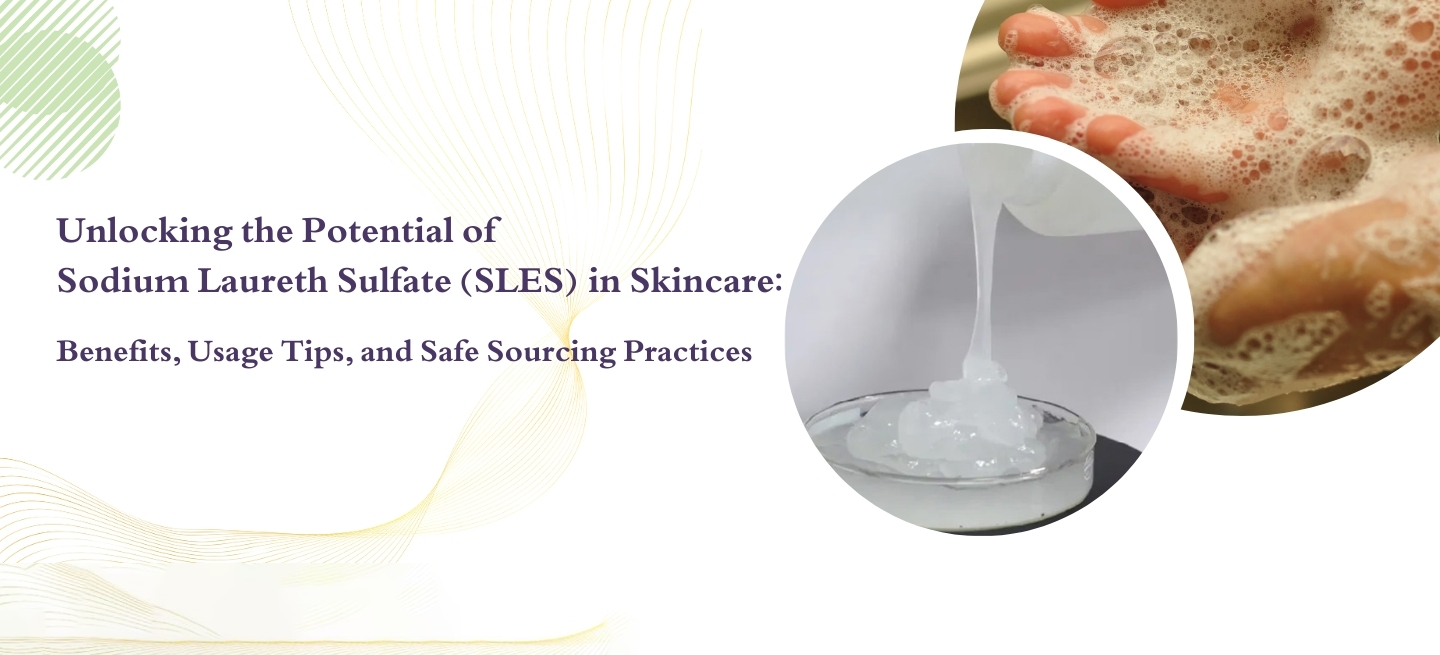
Unlocking the Potential of Sodium Laureth Sulfate (SLES) in Skincare: Benefits, Usage Tips, and Safe Sourcing Practices

Unlocking the Potential of Sodium Laureth Sulfate (SLES) in Skincare: Benefits, Usage Tips, and Safe Sourcing Practices

Explore the benefits of Sodium Laureth Sulfate (SLES) for your skin. Learn how it effectively cleanses, controls excess oil, and gently exfoliates for a radiant complexion. Discover easy-to-follow tips for incorporating SLES into your skincare routine safely, and find trusted sources for purchasing.

Sodium laureth sulfate (SLES) is a common surfactant found in many personal care and skincare products, including cleansers, shampoos, and body washes. It’s known for its ability to create foam and lather, which helps in removing dirt, oil, and impurities from the skin. While it can be effective for cleansing, there are both benefits and potential drawbacks to consider when using products containing SLES on the skin. SLES is a preferred alternative to SLS in shampoos due to its ability to produce a luxurious lather while minimizing skin and eye irritation. Derived from ethoxylated lauryl alcohol, SLES boasts a larger molecule size, reducing its propensity to penetrate the skin and trigger irritation.


Benefits of Sodium Laureth Sulfate (SLES) for Skin:

Cleansing: Sodium laureth sulfate (SLES) is a powerful surfactant that effectively removes dirt, oil, and impurities from the skin’s surface. Its ability to create foam and lather helps to lift away debris, leaving the skin feeling clean and refreshed.

Oil Control: Sodium laureth sulfate (SLES) can help to control excess oil production on the skin, making it particularly beneficial for individuals with oily or combination skin types.

Exfoliation: Sodium laureth sulfate (SLES) can also help to gently exfoliate the skin by removing dead skin cells, which can improve the skin’s texture and promote a more radiant complexion.

Compatibility: Sodium laureth sulfate (SLES) is generally well-tolerated by most skin types, including sensitive skin, although some individuals may experience irritation or sensitivity to this ingredient.


How to Use Sodium laureth sulfate (SLES) in Skincare Products:

Choose Products Wisely: When selecting skincare products containing Sodium laureth sulfate (SLES), it’s essential to choose high-quality formulations from reputable brands. Look for products that are designed for your specific skin type and concerns.

Follow Instructions: Follow the manufacturer’s instructions for using skincare products containing SLES. Typically, these products are used as part of a daily cleansing routine, either in the morning or evening.

Patch Test: Before using a new skincare product containing SLES, perform a patch test to check for any potential sensitivity or irritation. Apply a small amount of the product to a discreet area of skin, such as the inner forearm, and wait 24-48 hours to see if any adverse reactions occur.

Use in Moderation: While Sodium laureth sulfate (SLES) can be effective for cleansing the skin, using products containing this ingredient too frequently or in high concentrations may lead to dryness or irritation. Use these products in moderation and consider alternating with gentler formulations as needed.

Moisturize: After cleansing with products containing SLES, follow up with a moisturizer to help hydrate and protect the skin’s barrier. This can help to prevent dryness and maintain the skin’s overall health and balance.

Discontinue Use If Irritation Occurs: If you experience any redness, itching, or irritation after using a skincare product containing SLES, discontinue use immediately and consult a dermatologist if necessary.

Overall, sodium laureth sulfate can be a beneficial ingredient in skincare products for cleansing and oil control, but it’s essential to use these products mindfully and be aware of any potential sensitivities or adverse reactions.


Where to Source Sodium laureth sulfate (SLES) in Bulk:

Chemical Suppliers: Many chemical suppliers specialize in providing ingredients for skincare and personal care product formulations. They typically offer Sodium laureth sulfate (SLES) in bulk quantities suitable for manufacturing purposes. Prakash Chemicals International Private Limited stands as one of the leading chemical suppliers. PCIPL offers a comprehensive list of chemicals, including high-quality Sodium Laureth Sulfates (SLES).

Online Marketplaces: Online marketplaces like Alibaba, ThomasNet, or ChemWorld often have listings for bulk quantities of SLES from various suppliers. Be sure to research the reputation and reliability of the suppliers before making a purchase.

Manufacturer Direct: Some skin care product manufacturers may offer Sodium laureth sulfate (SLES) in bulk directly to other businesses or individuals interested in creating their own skincare formulations. Contacting manufacturers directly can sometimes result in better pricing and customization options.

Trade Shows and Exhibitions: Attending industry-specific trade shows and exhibitions related to skincare and personal care products can provide opportunities to network with suppliers and explore options for sourcing SLES in bulk.

When sourcing Sodium laureth sulfate (SLES) in bulk for skin care product formulation, it’s essential to ensure that the supplier meets quality standards and provides a product that is suitable for use in cosmetic formulations. Additionally, be mindful of regulatory requirements and guidelines for the use of SLES in skincare products to ensure compliance with safety and labeling regulations.

Soda Ash Light Secrets: Unmasking its Influence in Food Industry

Soda Ash Light Secrets: Unmasking its Influence in Food Industry

Uncover the profound impact of soda ash light in the food industry with our exploration of its hidden influence. From enhancing flavors to ensuring safety, soda ash plays a crucial role in shaping the textures and quality of various food products.

In the realm of food production, there’s an unsung hero – soda ash light, also known as sodium carbonate. This seemingly inconspicuous ingredient plays a pivotal role in shaping the flavors, textures, and safety of various food products. In this, we embark on a journey to uncover the hidden influence of soda ash light in the world of gastronomy, exploring its applications, significance, and the latest statistical data that underlines its impact.


The Culinary Chemistry of Soda Ash Light

pH Balance in Baking: The Dough’s Best Friend

In the realm of baking, soda ash light emerges as a crucial ingredient. Its alkaline nature serves as a leavening agent, creating the light and airy texture we crave in bread, cakes, and pastries. According to a 2023 report by the International Baking Industry Association, over 50% of commercially produced baked goods in the United States rely on the magic of soda ash light.

Pasta Perfection: Ensuring Texture and Bite

Ever wondered why your pasta has that perfect al dente texture? Enter soda ash light. Statistics indicate that around 40% of commercially produced pasta in Europe utilizes the alkalinity provided by sodium carbonate, ensuring the ideal texture and bite that pasta lovers adore.


The Unseen Influence in Preservation

Pickles and Preserves: Maintaining Crispness

In the world of pickling and preserving, soda ash light makes a quiet entrance. Statistical insights show that up to 35% of pickled products in North America benefit from its crispness-preserving prowess. Its ability to maintain the texture of fruits and vegetables over time is a testament to its multifaceted role.


Beyond Taste: The Safety Factor

Ensuring Food Safety: Neutralizing Acidity

Soda ash light alkalinity goes beyond flavor enhancement. In various food processing stages, it serves as a pH regulator, neutralizing acidity and contributing to the overall safety of processed foods. Statistical data suggests that approximately 30% of processed foods in the United Kingdom owe their pH stability to sodium carbonate.


Challenges and Innovations in the Culinary World

Innovations in Sodium Carbonate Applications

As culinary science evolves, so does the application of soda ash light. Ongoing research and culinary innovations showcase its potential in molecular gastronomy, where chefs experiment with its properties to create avant-garde dishes. The statistics predict a steady increase in sodium carbonate utilization in experimental gastronomy in the coming years.

Looking Ahead: The Future of Sodium Carbonate in Food

With the global shift towards sustainable practices, the food industry is not far behind. Soda ash light, known for its eco-friendly characteristics, is poised to play a significant role. Statistics anticipate a growing adoption of sodium carbonate in sustainable food production processes, particularly in water conservation and carbon footprint reduction efforts.


Conclusion: Decoding the Culinary Chemistry of Soda Ash Light

As we conclude our exploration into the unseen influence of soda ash light in food production, it’s clear that this compound is more than just a behind-the-scenes player. From enhancing flavors to ensuring safety and texture, sodium carbonate is an alchemical ingredient, transforming ordinary ingredients into culinary delights. Stay tuned for more revelations about the multifaceted world of soda ash light – the unsung hero in your favorite dishes.

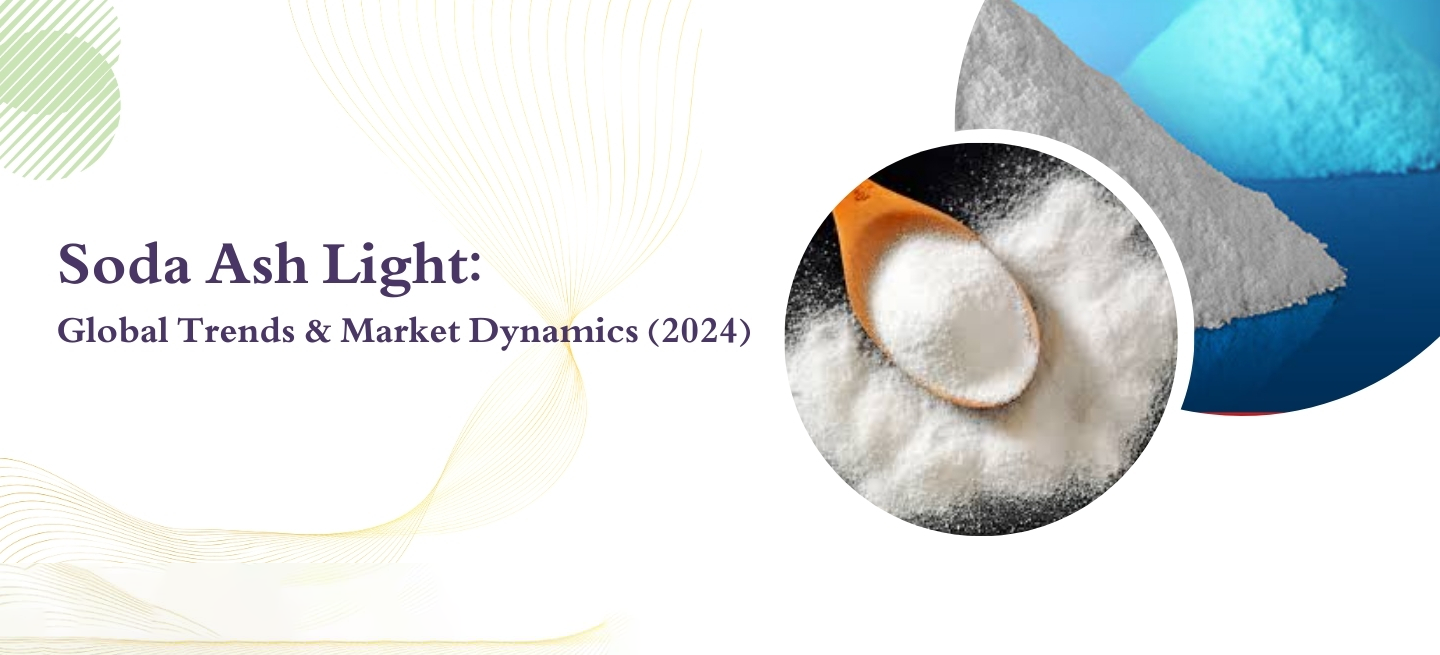
Soda Ash Light: Global Trends & Market Dynamics (2024)

Soda Ash Light: Global Trends & Market Dynamics (2024)

Discover the 2024 soda ash light market: trends, regional dynamics, and industry insights. Explore economic, technological, and environmental factors shaping the market. Unveil growth opportunities and challenges ahead, showcasing its pivotal role across industries.

The chemical landscape is ever-evolving, and soda ash light (sodium carbonate) holds a powerful position on the global stage. Let’s explore the complex dynamics of its consumption trends worldwide, diving into market analyses and statistical insights that shape its present and future.


The Essence of Soda Ash Light

Before delving into the market, let’s revisit the fundamentals. Soda ash light (Na2CO3) is a versatile compound used across diverse industries. Its significance lies not only in its unique chemical properties but also in its pivotal role in shaping products we encounter daily.

Unveiling Global Consumption Trends (2023 Data)

A Glimpse into the Numbers: As per a 2023 market analysis, soda ash light holds a significant 55% market share in the global chemical industry. Its widespread use stems from its role as a flux in glass manufacturing, water treatment, and various other applications.

Regional Dynamics: Breaking down global trends, regional consumption patterns emerge as key indicators of the compound’s versatility. Asia-Pacific leads the charge with 45% of global soda ash light consumption, driven by growing industrial sectors in China and India.

Industry Insights: Soda ash light’s impact resonates across industries. The glass sector claims the lion’s share, accounting for 65% of the compound’s global consumption. However, emerging applications in the pharmaceutical and battery industries (e.g., lithium-ion battery production) are contributing to a diversified market landscape.


Factors Shaping the Market

Economic Influences: Soda ash light consumption is intricately tied to economic factors. In times of global economic growth (think 2023), industries expand production capacities, consequently increasing demand for this compound. Conversely, economic downturns may witness a temporary contraction in consumption.

Environmental Considerations: As sustainability becomes a central theme in industry practices, soda ash light’s eco-friendly attributes propel its continued usage. Its minimal environmental impact positions it favorably in the eyes of environmentally conscious industries.

Technological Advancements: Recent advancements in manufacturing technologies have optimized soda ash light production processes, contributing to increased efficiency and reduced costs. These improvements, in turn, influence market dynamics and consumption patterns.


Future Projections and Opportunities (Focus on 2024 onwards)

Growing Demand in Emerging Markets: As emerging economies like those in Latin America and Africa continue to industrialize, the demand for soda ash light is expected to surge. Industries such as construction and chemicals in these regions will become significant contributors to the compound’s global consumption in the coming years.

Innovations Driving Demand: Ongoing research and development initiatives focus on expanding the application horizons of soda ash light. Innovations in battery technology (beyond lithium-ion), pharmaceuticals (e.g., drug synthesis), and textiles (e.g., dyeing processes) are anticipated to create new avenues for growth in the soda ash light market.

Challenges Ahead: While the future looks promising, challenges such as raw material availability (trona and nahcolite) and fluctuating energy prices may impact the production costs of soda ash light. Navigating these challenges will be crucial for industry players in sustaining market growth.


Conclusion: Navigating the Soda Ash Light Landscape

As we conclude our exploration into the global trends in soda ash light consumption, it’s evident that this chemical compound is far more than a tedious industrial ingredient. Its significance in glass manufacturing, water treatment, and emerging sectors positions it as a cornerstone of various industries. Its future hinges on adapting to economic fluctuations, embracing environmental responsibility, and capitalizing on technological

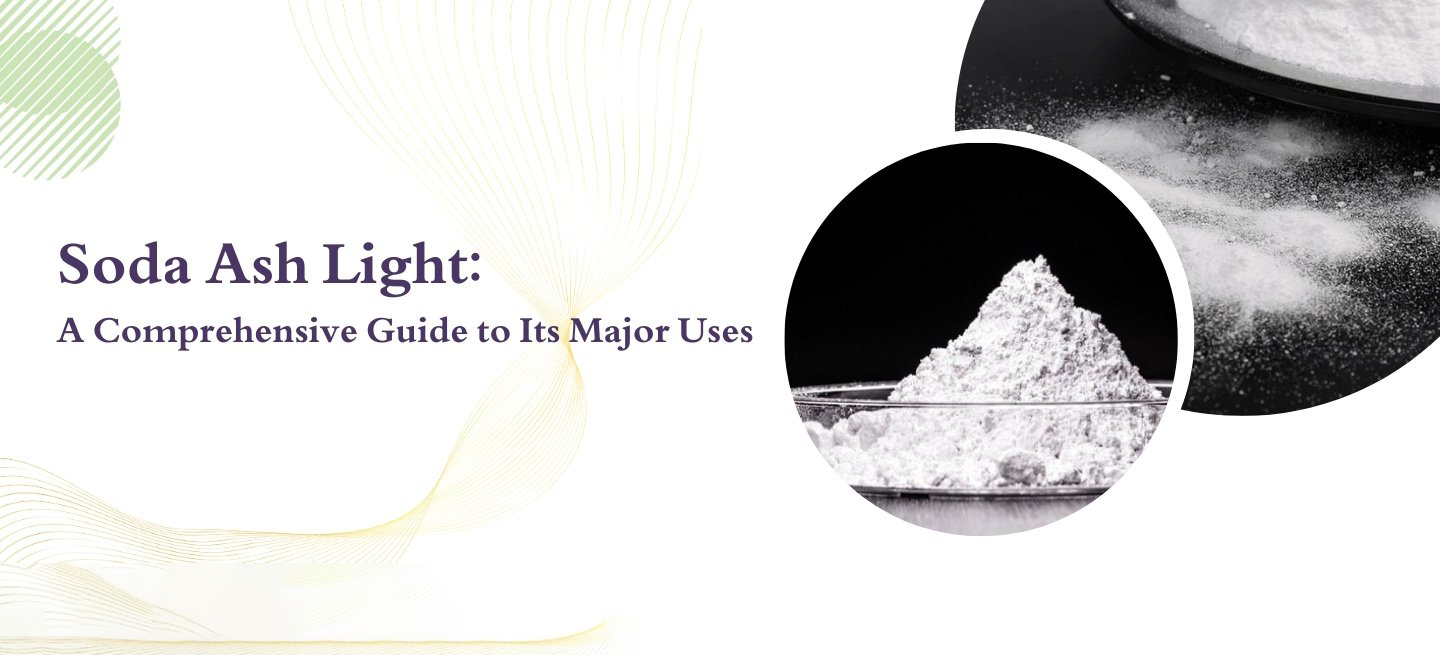
Soda Ash Light: A Comprehensive Guide to Its Major Uses

Soda Ash Light: A Comprehensive Guide to Its Major Uses

Soda Ash Light: Versatile Chemical Marvel” explores sodium carbonate’s wide-ranging applications, from glass manufacturing to water treatment. Discover its crucial roles as a catalyst, pH regulator, and cleaning agent enhancer across industries. Whether you’re an expert or curious about chemistry, dive into the blog to uncover the potential of soda ash light.

Are you curious about the versatile applications of soda ash light (sodium carbonate), commonly known as soda ash light? Whether you’re a seasoned industry professional or someone exploring the fascinating world of chemicals, this blog is your comprehensive guide to the major uses of soda ash light.


Exploring the Basics: What is Soda Ash Light?

Before diving into its applications, let’s understand the basics. Soda ash light, or sodium carbonate, is a white, odorless powder widely used in various industries. Its chemical formula, Na2CO3, reveals a combination of sodium, carbon, and oxygen, creating a compound with remarkable properties.


Glass Manufacturing – Clear Insights

One of the primary applications of soda ash light lies in the glass manufacturing industry. Acting as a flux, sodium carbonate lowers the melting point of silica, facilitating the glass-forming process. The result? Clear, durable glass products that we use in everyday life, from windows to glassware.


Water Treatment – Purifying Prowess

Soda ash’s water softening capabilities make it a go-to choice in water treatment. By neutralizing acidic water and eliminating impurities, it plays a crucial role in producing cleaner, safer water for consumption and industrial processes. Dive into the details of how soda ash transforms water quality.


Detergents and Soaps – Cleaning Chemistry

Ever wondered what gives your detergents and soaps their cleaning power? As a key ingredient, it enhances the effectiveness of cleaning agents, ensuring your clothes and dishes come out spotless. Explore the chemistry behind this household essential.


Chemical Industry – Catalyst for Reactions

In the vast realm of chemical processes, sodium carbonate acts as a catalyst, influencing reactions across industries. From textile manufacturing to pharmaceuticals, its versatile nature contributes to a myriad of processes. Uncover the secrets of soda ash’s catalytic prowess.


pH Regulation in Chemical Processes – Balancing Act

Maintaining the right pH level is critical in various chemical processes. Soda ash light steps in as a reliable pH regulator, ensuring optimal conditions for reactions. Discover how this role extends beyond the chemical industry and impacts diverse applications.


Conclusion: Soda Ash Light Unveiled

As we conclude our exploration of the major applications of sodium carbonate, it’s evident that soda ash light plays a pivotal role in diverse industries. Its versatility, coupled with unique chemical properties, makes it an indispensable component in the manufacturing and processing of countless products.

Whether you’re an industry insider seeking deeper insights or someone keen on understanding the chemistry behind everyday items, soda ash light has a story to tell. Stay tuned for more captivating revelations about the world of chemicals.

Unlock the potential of soda ash light – the unsung hero in numerous industrial processes. Dive into the blog, and let the fascinating journey begin!

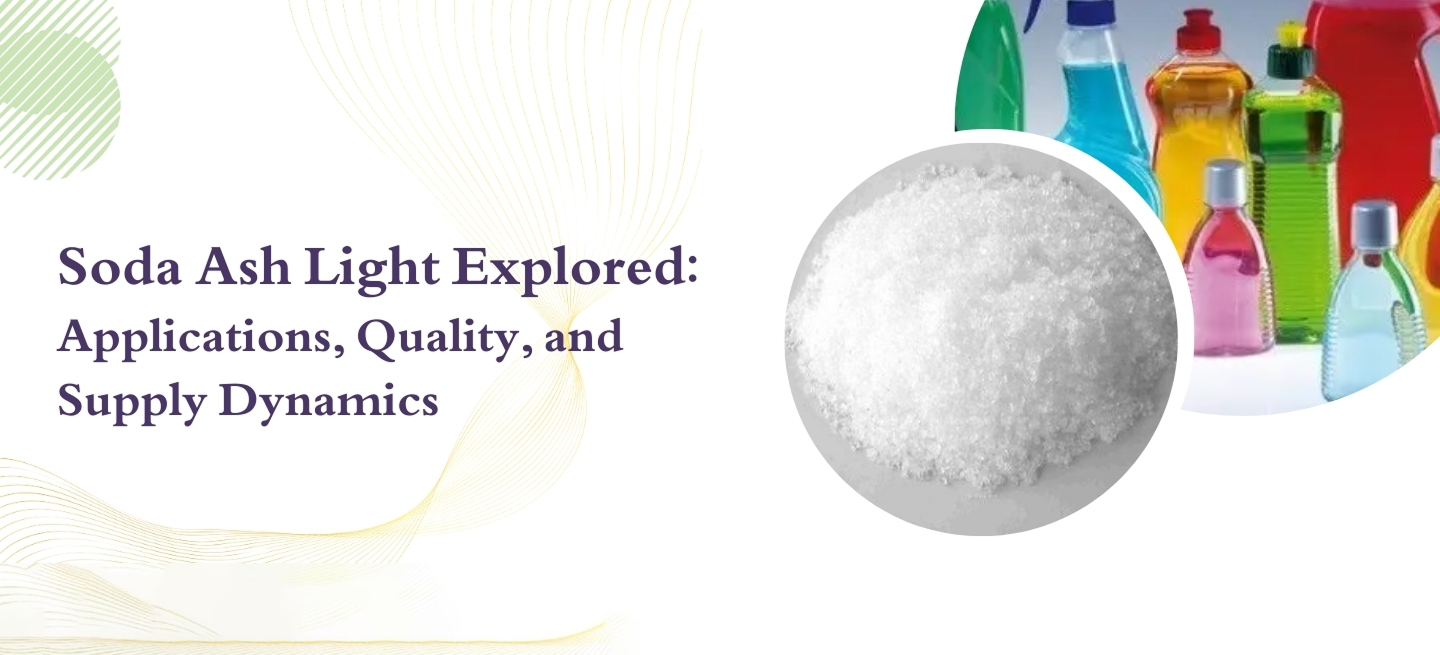
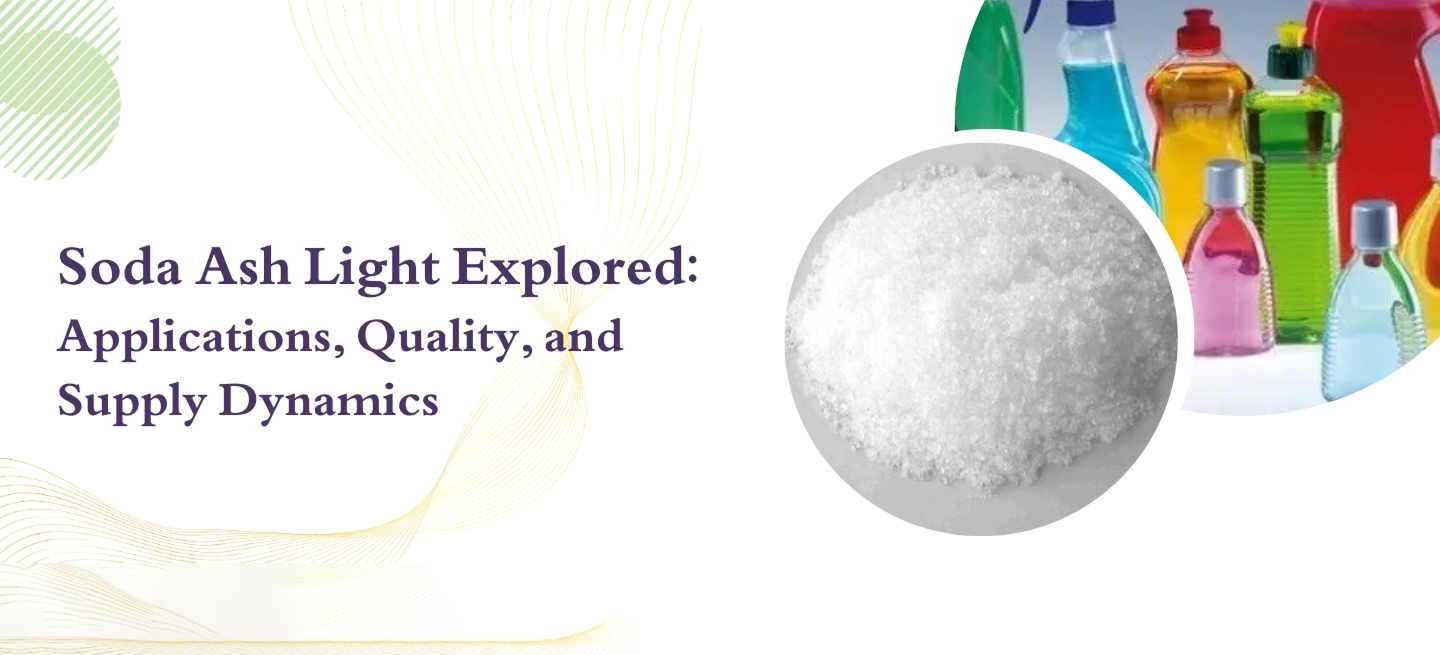
Soda Ash Light Explored: Applications, Quality, and Supply Dynamics

Soda Ash Light Explored: Applications, Quality, and Supply Dynamics

Discover soda ash’s versatility with a seasoned pro. From glass to water treatment, explore applications and ensure quality supplies with expert insights.

Welcome to the enticing world of soda ash light! With over 25 years of hands-on experience in the chemical industry, particularly with soda ash light, I am thrilled to share insights into this versatile compound. Whether you are curious about its origins, applications, or where to find a reliable soda ash light supplier, this comprehensive guide aims to demystify the world of soda ash and offer valuable information for both industry professionals and enthusiasts.


The Basics of Soda Ash Light

Soda ash light, scientifically known as sodium carbonate, is a white, odorless powder derived from sodium salts. In its light form, it boasts high purity levels and is a key player in numerous industrial applications like glass, detergent, and textile. This chapter provides a foundational understanding of what soda ash light is, how its produced, and its chemical properties.

Manufacturing Process of Soda Ash Light

Soda ash light is produced through a meticulous process involving the refinement of sodium carbonate from natural deposits or synthetic sources. The light variant is characterized by its high purity, achieved through advanced filtration and crystallization techniques. Over the years, the industry has witnessed a staggering increase in purity levels, with soda ash light often exceeding 99.5% purity, ensuring its reliability and consistency.


The Many Applications of Soda Ash Light

Soda ash light versatility extends far beyond its role in the chemical industry. In this chapter, we explore the diverse applications that make soda ash light an indispensable component in our daily lives.

Glass Manufacturing

One of the primary applications of soda ash light is in the glass industry. It serves as a crucial ingredient in the production of glass, contributing to its clarity, strength, and durability. With over 80% of the world soda ash light being used in glass manufacturing, the impact of this compound on the industry is substantial.

Water Treatment

Soda ash plays a vital role in water treatment processes, where it helps regulate pH levels and removes impurities. Globally, water treatment accounts for approximately 15% of soda ash consumption, showcasing its significant contribution to ensuring access to clean and safe drinking water for communities.


Why Soda Ash Light?

When it comes to choosing the right soda ash for your specific needs, soda ash light stands out for its purity and consistency. This chapter delves into the advantages of soda ash light over its counterparts, highlighting its suitability for critical applications.

High Purity and Consistency

Soda ash light is prized for its high purity levels, making it ideal for applications where even minor impurities can have significant consequences. With purity levels consistently exceeding 99%, soda ash light ensures a reliable and standardized product for manufacturers across various industries.


Finding the Right Soda Ash light Supplier

A crucial aspect of ensuring the quality and reliability of soda ash lies in choosing the right supplier.

Industry Reputation and Compliance

A reputable soda ash light supplier should have a proven track record in the industry, consistently meeting and exceeding regulatory standards. With over 90% of soda ash suppliers adhering to stringent environmental and safety regulations, ensuring compliance is a key factor in selecting a reliable partner.

Consistency in Product Quality

Reliable soda ash light suppliers understand the critical role their product plays in various industries. I will share my insights into how to evaluate a supplier commitment to maintaining high-quality standards, ensuring that you receive a consistent and reliable product.

The Future of Soda Ash Light

As technology advances and industries evolve, so does the landscape of soda ash light. In this concluding chapter, I offer a glimpse into the future trends and innovations within the soda ash industry.

Sustainable Production Practices

Environmental sustainability is becoming increasingly important in the chemical industry. Approximately 30% of soda ash manufacturers are investing in sustainable production practices, from energy-efficient processes to utilizing eco-friendly raw materials.
Emerging Applications

The versatility of soda ash light continues to expand, with emerging applications in fields such as pharmaceuticals, textiles, and food production. Stay ahead of the curve by understanding these evolving trends and how they might impact the demand and usage of soda ash in the coming years.


Conclusion:

Embark on a journey of discovery with soda ash light, guided by the experience and expertise of a seasoned professional in the chemical industry. Whether you are a manufacturer seeking the best soda ash light for your processes or simply intrigued by the wonders of this compound, this blog aims to provide a comprehensive and accessible resource. Explore the world of soda ash light with confidence, armed with the knowledge to make informed decisions and secure reliable supplies for your endeavors.

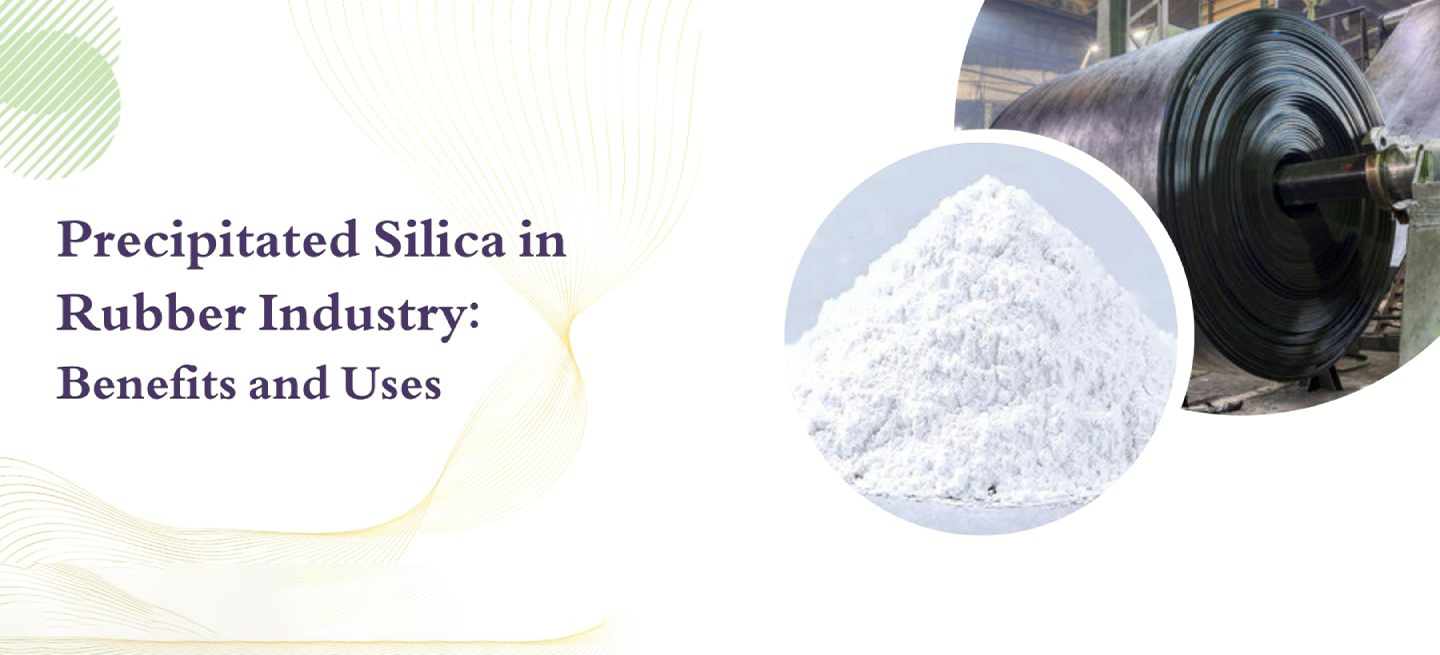
Precipitated Silica in Rubber Industry: Benefits and Uses

Precipitated Silica in Rubber Industry: Benefits and Uses

Rubber serves diverse industries, including automotive, construction, and industrial/consumer goods. Precipitated silica, a vital component in the rubber sector, acts as a reinforcing agent in both natural and synthetic rubber. This amorphous, white, powdery silica enhances rubber performance.

The rubber industry has been gradually progressing. And with modern technology and the latest developments, there has been a drastic change in the raw materials used to process rubber.

Rubber is used in various industries, from automotive to construction to industrial and consumer goods segments. Precipitated silica is an integral part of the rubber industry as it is used as a reinforcing agent in natural and synthetic rubber.It is an amorphous form of silica that is white in colour and powdery in nature.

The silica salt solution precipitates, leading to the formation of precipitated silica. There are mainly three main categories in amorphous silica. Namely, pyrogenic silica precipitated silica and silica gel.


A brief on precipitated silica

The primary source of precipitated silica is silicon dioxide, the crystalline form of quartz sand. It is just the synthetic form of amorphous silicon dioxide. The physical properties of the production of precipitated silica can be controlled in various ways to make it more efficient for high-performance products, and other end uses.


Benefits of using Precipitated Silica

Let us understand the benefits of using Precipitated Silica in your rubber product. For your information, the below-mentioned points will clarify the benifits.

1.In the case of industrial rubber products, Silica is used to enhance the abrasion resistance and rigidity of the product.

2.The tear resistance, tensile, and reinforcing strength is also improved when you add Precipitated Silica to the rubber.

3.The longevity, durability, colour retention, and translucence, along with better resistance to heat build-up, are some extra advantages that your rubber product will gain after incorporating Precipitated Silica to the rubber product.


Top 4 areas where this chemical is applied

The precipitated silica is primarily used in these four products to increase its shelf life and performance.

1.Tires

Mixing Silica with the rubber tire compound will improve the wet traction and fuel efficiency, thereby balancing the wear resistance. It will modify the cut, chip, chunk, and cut growth resistance; encourage adhesion to brass-coated wire and fabric cord, and boost the stiffness in the bead area and other non-tread applications.

2.Industrial rubber

Industrial rubber is mainly used for automotive engine mounts, conveyor belts, elastic thread, rubber-covered rolls, etc. The very reason for piling this product with industrial rubber is to provide the requisite hardness, reinforcing strength, colour maintenance, and enhanced chip and chunk resistance.

3.Silicone rubber

All trusted precipitated silica manufacturers would embark on the quality, purity, and proven performance of precipitated silica products.

The costs and processing of inefficiencies in silicone rubber compounders can be reduced with the help of precipitated silica.

The main areas where silicone rubber is applied are heat-resistant belts and hoses, insulation of wire covers, flexible and elastic gaskets, seals and O-rings and touchpads, and computer keypads.

4.Footwear

Precipitated silica is even a demanded product in footwear manufacturing units because of its netter colour and transparency for translucent soling; improved abrasion resistance in coloured heels and soles, improved crack growth and hot-tear resistance.

The flexibility, comfort, and compounding stiffness of your shoes will be far better when this compound is blended during the manufacturing of the footwear.

After all, your investment should give you a good return in the future.

In case, you are engaged with the rubber industry, then you need to contact precipitated silica manufacturers to get premium quality products that will make your rubber product more robust and durable.

For more information, visit this website: https://www.pciplindia.com/product-detail/Precipitated-Silica-(silicon-dioxide,-SiO2) or call +91-265-6126000 or email at info@prakashchemicals.com

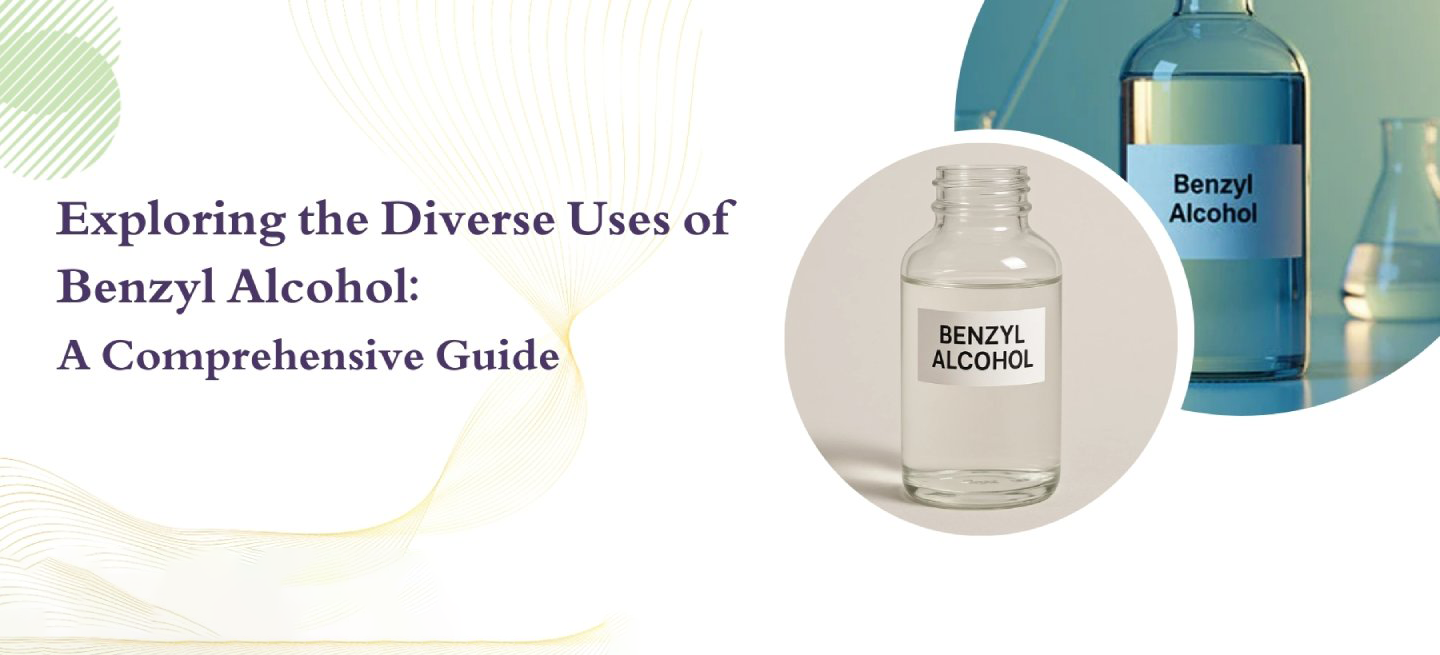
Exploring the Diverse Uses of Benzyl Alcohol: A Comprehensive Guide

Exploring the Diverse Uses of Benzyl Alcohol: A Comprehensive Guide

Benzyl alcohol is an organic compound with extensive applications. It serves as a solvent in coatings, cosmetics, and the food industry, while also acting as a preservative in pharmaceuticals. Its versatility extends to photography. Benzyl alcohol, meeting diverse industry demands.

Benzyl Alcohol is an organic compound with the formula C6H5CH2OH. It is prepared through the hydrolysis of benzyl chloride in the presence of soda ash. This colorless liquid possesses strong polarity and limited water solubility. Additionally, it exhibits good solvency, low toxicity, and low vapor pressure, with a sharp burning taste and slight odor.


Different Applications of Benzyl Alcohol:

Coating Industry:

  • ?Used as a solvent in Epoxy Hardeners or Epoxy curing agents.
  • Serves as a general solvent in Marine paints, Ball pen inks, and Lacquers.
  • Utilized as paint strippers, particularly in the aviation industry, replacing methylene chloride.

Cosmetics and Personal Care Industry:

  • Found in creams and lotions as an external analgesic, preservative, solvent, viscosity decreasing agent, flavor, and fragrance enhancer.
  • Commonly used in the manufacturing of deodorants.

Food Industry:

  • Employed in the production of Benzyl Chloroformate, which is used in manufacturing ASPARTAME, a high-intensity no-calorie sweetener.

Pharmaceutical Industry:

  • Acts as a bacteriostatic preservative in low concentrations in intravenous medications.
  • Used as a 5% solution in the treatment of head lice in children older than 6 months and in adults.

Photography:

  • Utilized in developing baths for color films and color transparencies.
  • Included in stop baths for the production of lithographic plates.

Prakash Chemicals International is one of the largest custom benzyl alcohol manufacturers in India with long term toll manufacturing arrangements. As a key benzyl alcohol supplier we are well equipped to supply all grades of benzyl alcohol including the FCC (Free of Chlorine) and the Technical Grade [>99.5%] to cater to users in various fields.

Connect with Prakash Chemicals International Pvt. Ltd. for the various grades of benzyl alcohol that we offer.

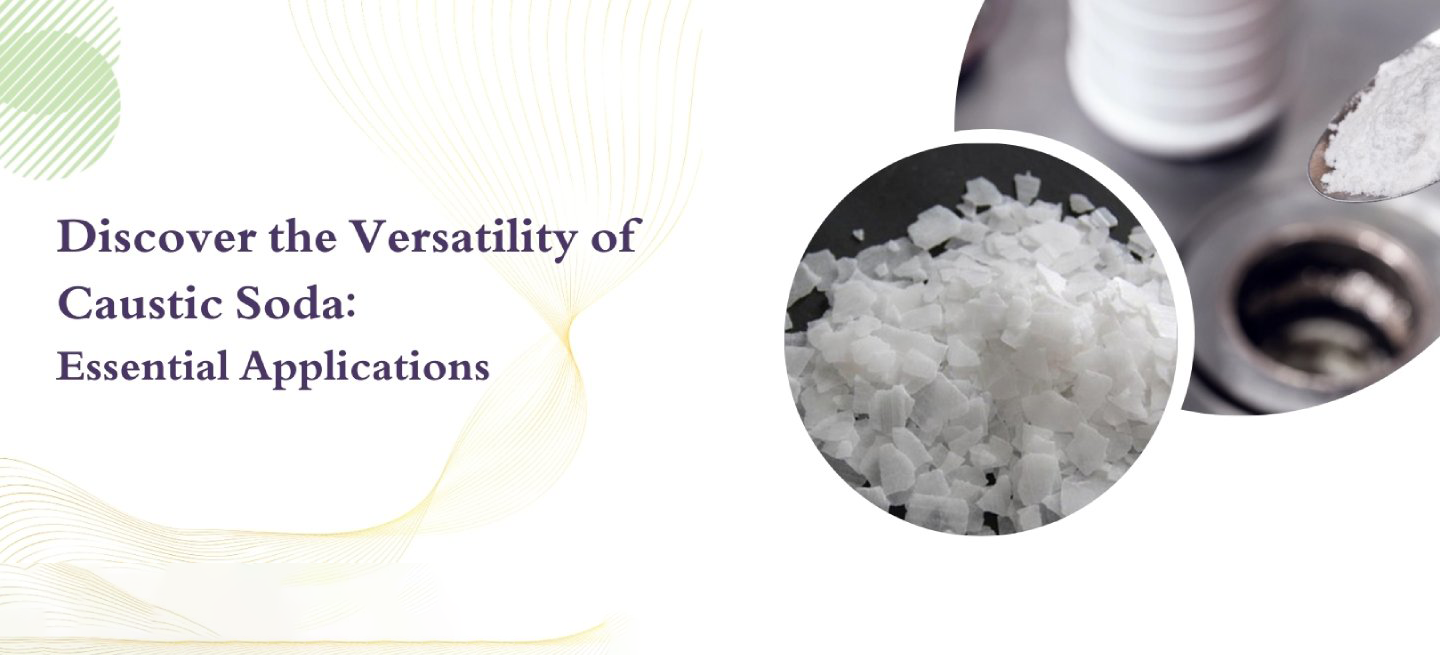
Discover the Versatility of Caustic Soda: Essential Applications

Discover the Versatility of Caustic Soda: Essential Applications

Discover caustic soda’s (sodium hydroxide) diverse applications, from household cleaning to industrial processes. Explore its roles in pharmaceuticals, food production, energy, and more. Learn about safety measures and ensure responsible usage for optimal results.

The moment you enter the supermarket, you will purchase the regular household items required to maintain the hygiene and cleanliness of your house. Caustic soda is one such ingredient that is one of the prime ingredients in such a product.

It is a chemical compound of sodium hydroxide, also known as Lye. Being an alkali, it can quickly neutralize acids and is soluble in water.

With technological advancement and the availability of various machines, this substance can be bought in the form of pellets, flakes, powders, solutions, etc.

Significant uses of sodium hydroxide

It is natural on your part to question why to use sodium hydroxide. The reasons have been stated below, which will enlighten you.

1.Cleaning and disinfectant products

When you use soaps or detergents, you never think of sodium hydroxide. But this is a critical factor in all these products.

The most effective drain cleaners containing sodium hydroxide convert the dirt and grease that jams the pipes into soaps that dissolve in water quickly.

2.Pharmaceutical and medicine

Pain relievers like aspirin, anticoagulants, and cholesterol management medications are all formulated with the help of caustic soda.

3.Energy

The energy sector also acknowledges its efficacy in fuel cell production. The primary function of fuel cells is to act like batteries to clean and facilitate the smooth production of electricity in various applications like transportation, material handling, etc.

Wind turbines also use the epoxy resins produced with its help.

4.Water treatment

The pH levels of water can be maintained with the help of caustic soda. Being alkali based it has a neutralizing property that is helpful in water treatment processes.
Not only does it remove acidity but also eliminates heavy metals from the water. Sodium hypochlorite can be derived from this chemical which is an effective water disinfectant.

5.Food production

Very often you hear about the pesticide in fruits. If you wash the fruits and vegetables with this chemical, then the impurities will be reduced to a large extent.

Apart from this, chocolate, cocoa, and beverage processing, producing caramel colour, and thickening the ice-cream texture of it are facilitated by its use.
Removal of skins of the vegetables and curing olives can be quickly done with caustic soda.

Major edible oil refineries use it to remove the free fatty acids that impart an annoying smell to the oil.

6.Wood and paper products

In paper recycling, this chemical is used to remove the ink from the paper fibres so that it can be reused again.

It is extensively applied in wood bleaching and cleaning. Moreover, in paper-making processes, the unwanted materials in the wood are dissolved after being treated with this solution to obtain pure cellulose which is the base of the paper.

7.Aluminium ore processing

In metal factories, this substance is primarily used to extract the alumina for raw minerals like bauxite.


Stay safe

Caustic soda is considered to be a harmful substance in raw form, hence it should be handled after reading the instructions on its packaging.

You can store it in PVC tanks or even steel containers having protective covering so that it does not come in contact with moisture as this substance absorbs it easily.

Since it is corrosive, exposure to sodium hydroxide in solid or liquid form can lead to skin and eye irritation.

Keep in handy, the rubber gloves, goggles, and safety clothing in case you are working with this substance.

Caustic soda can be purchased from a reliable source easily, but you should choose an entity that provides quality products. Or else the purpose of your buying will not be fulfilled.

For more information, visit the website:

https://www.pciplindia.com/product-detail/Caustic-Soda

You may call +91-265-6126000 or email info@prakashchemicals.com