








Cocamidopropyl Betaine for Hair (Haircare Formulation Benefits)

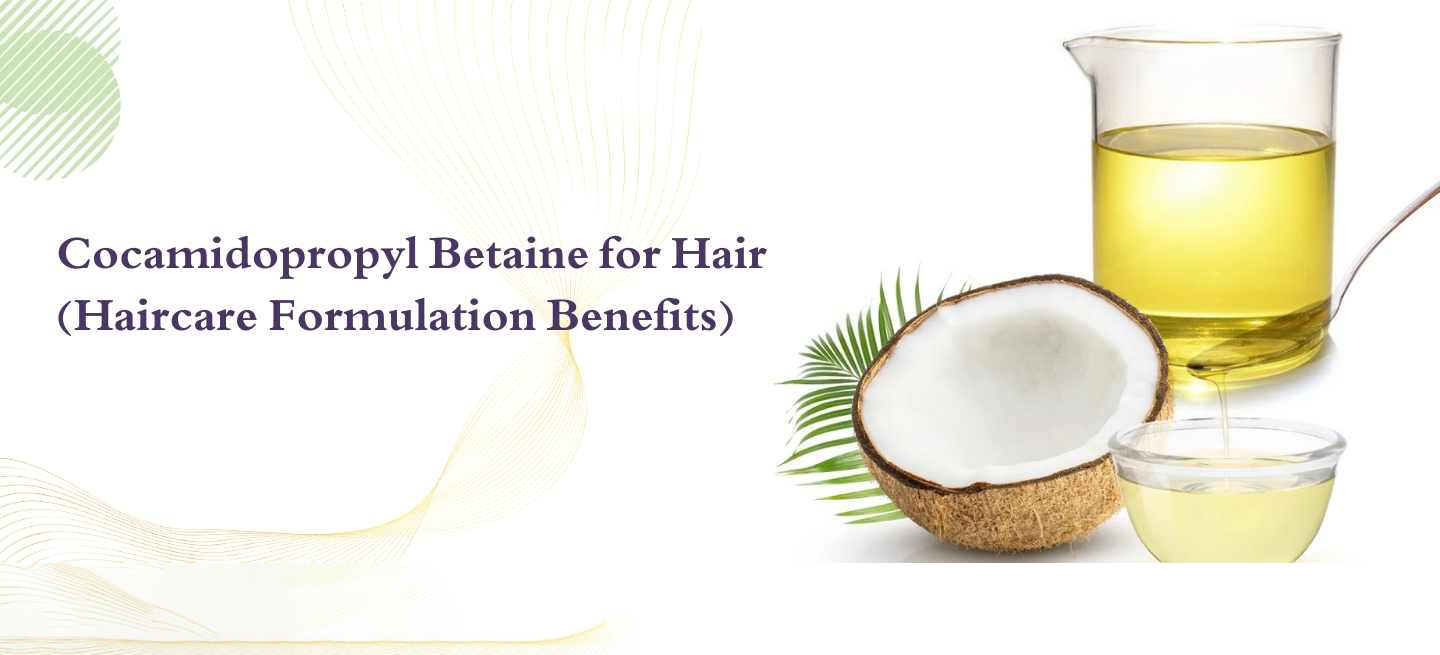
Cocamidopropyl Betaine for Hair (Haircare Formulation Benefits)

In the personal care industry, understanding the ingredients that enhance product performance is crucial for manufacturers. One such ingredient is Cocamidopropyl Betaine, a versatile surfactant derived from coconut oil. But, What is Cocamidopropyl Betaine? It’s a mild amphoteric surfactant commonly used in hair care formulations for its excellent cleansing and foaming properties.

This ingredient not only contributes to the effectiveness of shampoos and conditioners but also offers a range of benefits that appeal to manufacturers aiming to create high-quality hair care products.


What is Cocamidopropyl Betaine?

Cocamidopropyl Betaine is a mild surfactant derived from coconut oil. It is synthesized through the reaction of coconut fatty acids with dimethylaminopropylamine, creating a biodegradable compound that effectively balances both mildness and performance. As an amphoteric surfactant, it can function as both a cationic and anionic agent, making it highly versatile in formulations for various applications.

Chemical Name: Cocamidopropyl Betaine
CAS Number: 61789-40-0
Molecular Formula: C19H38N2O3


Benefits of Cocamidopropyl Betaine for Hair

Manufacturers recognize the benefits of CAPB for its ability to meet both consumer expectations and production requirements, making it a preferred choice in hair care formulations. Here’s why it stands out:

Mild Cleansing Action

Cocamidopropyl Betaine offers gentle yet effective cleansing without stripping away essential natural oils. This makes it ideal for individuals with sensitive scalps or those who experience irritation with harsher surfactants.

Improved Foam Quality

CAPB enhances the foaming properties of shampoos and conditioners, creating a rich, luxurious lather that consumers associate with premium hair care products. This satisfying foam doesn’t just improve user experience; it also reflects effective cleansing

Conditioning Effects

Beyond cleansing, Cocamidopropyl Betaine delivers conditioning benefits, leaving hair feeling softer and more manageable. It contributes to the smooth texture that consumers desire, making it a suitable ingredient for products aimed at enhancing hair health.

Compatibility with Other Ingredients

This ingredient is compatible with a wide array of surfactants and conditioning agents, allowing manufacturers to create various formulations, from mild cleansers to deeply conditioning products, without sacrificing efficacy.

Environmental Sustainability

As consumer interest in sustainability grows, Cocamidopropyl Betaine’s biodegradable nature aligns well with eco-conscious practices. Brands focused on sustainability find it an ideal ingredient to meet these consumer demands.

Non-Irritating and Gentle

Thanks to its mild profile, Cocamidopropyl Betaine is safe for all hair types and is often used in formulations for children and individuals with sensitive skin. Its gentle formulation ensures a positive experience for diverse users.


Why Do Manufacturers Prefer Cocamidopropyl Betaine in Hair Care Products?

Manufacturers prefer Cocamidopropyl Betaine for its mild cleansing, rich lather, and conditioning benefits. It’s gentle on the scalp, compatible with other ingredients, and supports eco-friendly formulations, making it ideal for quality hair care products.

Manufacturers find Cocamidopropyl Betaine advantageous not only for its benefits in formulation but also for its alignment with industry standards and market trends.

Meeting Consumer Expectations

With rising consumer awareness around ingredient safety, the demand for milder, safer alternatives has grown. Cocamidopropyl Betaine allows manufacturers to position their products as gentle and effective solutions, meeting consumer needs while maintaining quality.

Differentiation in a Competitive Market

The hair care market is highly competitive, with brands striving to stand out. Including Cocamidopropyl Betaine as a unique selling point can help differentiate a brand’s offerings, positioning them as high-quality choices in a crowded space.

Compliance with Regulations

Regulatory compliance is a key consideration in the cosmetic industry. Cocamidopropyl Betaine is well-documented and widely accepted as a safe ingredient, allowing manufacturers to meet stringent regulatory requirements with minimal risk.

Cost-Effectiveness

Cocamidopropyl Betaine enhances foaming and conditioning properties efficiently, providing high performance at a reasonable cost. This cost-effectiveness supports manufacturers in delivering premium formulations without significantly increasing production expenses.


Formulation Considerations for Incorporating Cocamidopropyl Betaine in Hair Care Products

When using CAPB in formulations, manufacturers should keep a few factors in mind to optimize product performance and ensure quality.

Concentration Levels

CAPB is typically used in concentrations ranging from 5% to 15%, depending on the formulation’s purpose. Testing different levels will help manufacturers find the ideal concentration that balances effectiveness with mildness.

pH Balance

Maintaining an appropriate pH balance is crucial for product stability and performance. Cocamidopropyl Betaine works best in slightly acidic formulations (pH 4.5 to 5.5), which aligns with the natural pH levels of hair and scalp.

Regulatory Compliance

To ensure product safety, it’s essential to stay updated on local regulations regarding cosmetic ingredients. CAPB is generally regarded as safe, but it’s still important for manufacturers to monitor regulatory updates for full compliance.


Cocamidopropyl Betaine Applications in Hair Care Products

CAPB is widely used in various hair care products due to its versatile properties:

  • Shampoos: Enhances cleansing and foaming while maintaining mildness for all hair types.
  • Conditioners: Improves manageability and adds conditioning benefits without weighing down the hair.
  • Hair Styling Products: Adds to gels and mousses, providing a pleasant, consistent application experience.

Kids’ Hair Care Products: Its gentle nature makes it suitable for children’s formulations.

Cocamidopropyl Betaine is a versatile and sustainable surfactant that offers various benefits, from mild cleansing to improved conditioning. It’s an ideal choice for manufacturers looking to meet consumer demand for gentle, effective hair care solutions while aligning with environmental standards. With its compatibility and performance benefits, Cocamidopropyl Betaine remains a preferred ingredient in high-quality hair care formulations.


Frequently Asked Questions

Is Cocamidopropyl Betaine bad for hair?

No, Cocamidopropyl Betaine is generally safe for hair and suitable for most hair types. Its mild cleansing properties make it ideal for sensitive scalps and users who prefer gentle products.

Is Cocamidopropyl Betaine safe?

Yes, Cocamidopropyl Betaine is widely recognized as safe for use in personal care products. However, individuals with specific sensitivities may want to perform a patch test.

Is Cocamidopropyl Betaine safe on skin?

Cocamidopropyl Betaine is generally safe for most skin types when used in appropriate concentrations. However, those with sensitive skin should consider patch testing first, as some may experience minor irritation.

Is Cocamidopropyl Betaine natural?

Cocamidopropyl Betaine is derived from coconut oil combined with dimethylaminopropylamine, making it a natural-based compound that is suitable for eco-conscious formulations.

Why Do Manufacturers Prefer Cocamidopropyl Betaine for Hair Care Products?

Manufacturers prefer Cocamidopropyl Betaine for its mild cleansing, rich lather, and conditioning benefits. It’s gentle on the scalp, compatible with other ingredients, and supports eco-friendly formulations, making it ideal for quality hair care products.

Is Coco Betaine the same as Cocamidopropyl Betaine?

No, Coco Betaine is a broader term for surfactants from coconut oil, while Cocamidopropyl Betaine is a specific type with additional modifications for milder surfactant action.
Clearing the myths about SLES: 10 Facts About Sodium Laureth Sulfate

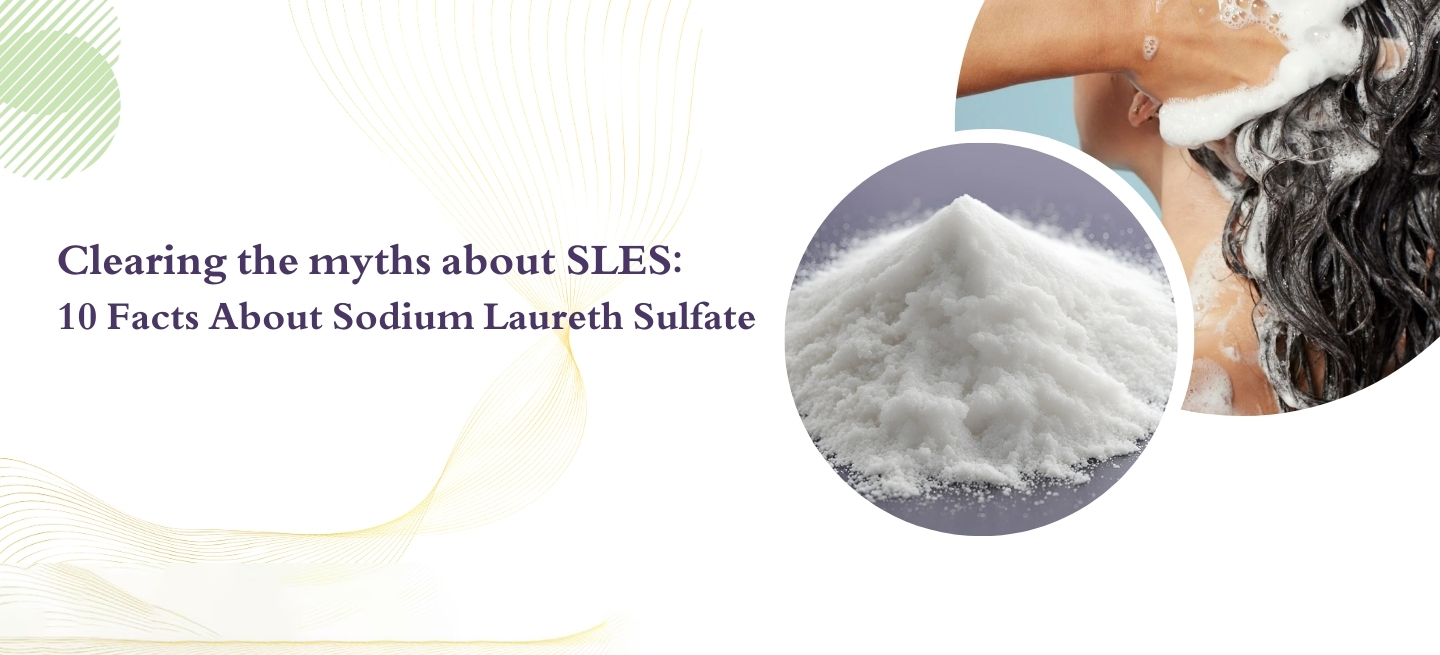
Clearing the myths about SLES: 10 Facts About Sodium Laureth Sulfate

Embark on a journey with us as we unravel the truths and debunk the top 10 myths surrounding Sodium Laureth Sulfate (SLES), providing clarity and understanding on this commonly misunderstood chemical compound.

As an expert within the chemicals sector, particularly in the realm of Sodium Laureth Sulfate (SLES), I’ve encountered numerous misconceptions surrounding this common ingredient. From skincare forums to social media platforms, misinformation about SLES abounds, often leading to unnecessary fear and confusion among consumers.


Top 10 myths about Sodium Laureth Sulfate (SLES)

So with this topic we’ll tackle the top 10 myths surrounding Sodium Laureth Sulfate (SLES), providing evidence-based insights to help you make informed decisions about the products you use or purchase.

Myth 1: Sodium Laureth Sulfate (SLES) is the Same as Sodium Lauryl Sulfate (SLS)

Fact: While both SLES and SLS are surfactants derived from coconut oil, they have different chemical structures. SLES is considered milder and less irritating to the skin compared to SLS, thanks to an additional ethoxylation step in its production process.

Myth 2: Sodium Laureth Sulfate (SLES) Causes Cancer

Fact: There is no scientific evidence linking SLES to cancer. Numerous studies conducted by regulatory bodies and independent research institutions have affirmed the safety of SLES when used as directed in cosmetic and personal care products.

Myth 3: Sodium Laureth Sulfate (SLES) Is Harmful to the Environment

Fact: Like many surfactants, SLES can biodegrade under appropriate conditions, minimizing its environmental impact. Additionally, manufacturers often employ measures to ensure responsible sourcing and production practices, further mitigating environmental concerns.

Myth 4: SLES Strips the Skin of Natural Oils

Fact: While Sodium Laureth Sulfate (SLES) is a powerful cleanser, it does not indiscriminately strip the skin of its natural oils. Proper formulation and concentration levels in skincare products help maintain the skin’s moisture balance while effectively removing dirt and impurities.

Myth 5: SLES Causes Skin Irritation and Allergies

Fact: SLES is generally well-tolerated by most individuals when used in cosmetic formulations within recommended concentrations. Skin irritation or allergic reactions are rare and typically occur in individuals with pre-existing sensitivities or when products are misused.

Myth 6: SLES is Always Derived from Petroleum

Fact: SLES can be derived from both petroleum and natural sources such as coconut oil. Many manufacturers offer Sodium Laureth Sulfate (SLES) derived from renewable plant-based sources, catering to consumers’ growing preference for sustainable ingredients.

Myth 7: SLES is Unsafe for Use in Baby Products

Fact: SLES is widely used in baby shampoos and cleansers due to its mildness and effectiveness in cleansing delicate skin and hair. However, as with any skincare product, it’s essential to choose formulations specifically formulated for infants and follow usage guidelines.

Myth 8: SLES Causes Hair Loss

Fact: There is no scientific evidence supporting the claim that SLES causes hair loss. Hair loss can result from various factors, including genetics, hormonal imbalances, and certain medical conditions, but not from the use of SLES-containing products.

Myth 9: SLES is a Carcinogen

Fact: Contrary to popular belief, Sodium Laureth Sulfate (SLES) is not classified as a carcinogen. Regulatory agencies such as the FDA, EU Commission, and Health Canada have deemed SLES safe for use in cosmetic and personal care products based on extensive safety evaluations.

Myth 10: Sodium Laureth Sulfate (SLES) Is Always Harsh and Drying

Fact: SLES can be formulated at varying concentrations and combined with other ingredients to tailor its cleansing properties to different skin and hair types. When used in well-formulated products, SLES effectively removes dirt and oil without leaving the skin feeling dry or tight.


Conclusion

In conclusion, Sodium Laureth Sulfate (SLES) is a widely-used surfactant with a long history of safe and effective use in cosmetic and personal care products. By debunking these myths and understanding the facts, consumers can confidently navigate the landscape of skincare and make informed choices that align with their preferences and values. Prakash Chemicals International Private Limited stands as one of the leading chemical suppliers. PCIPL offers a comprehensive list of chemicals, including high-quality Sodium Laureth Sulfates (SLES).

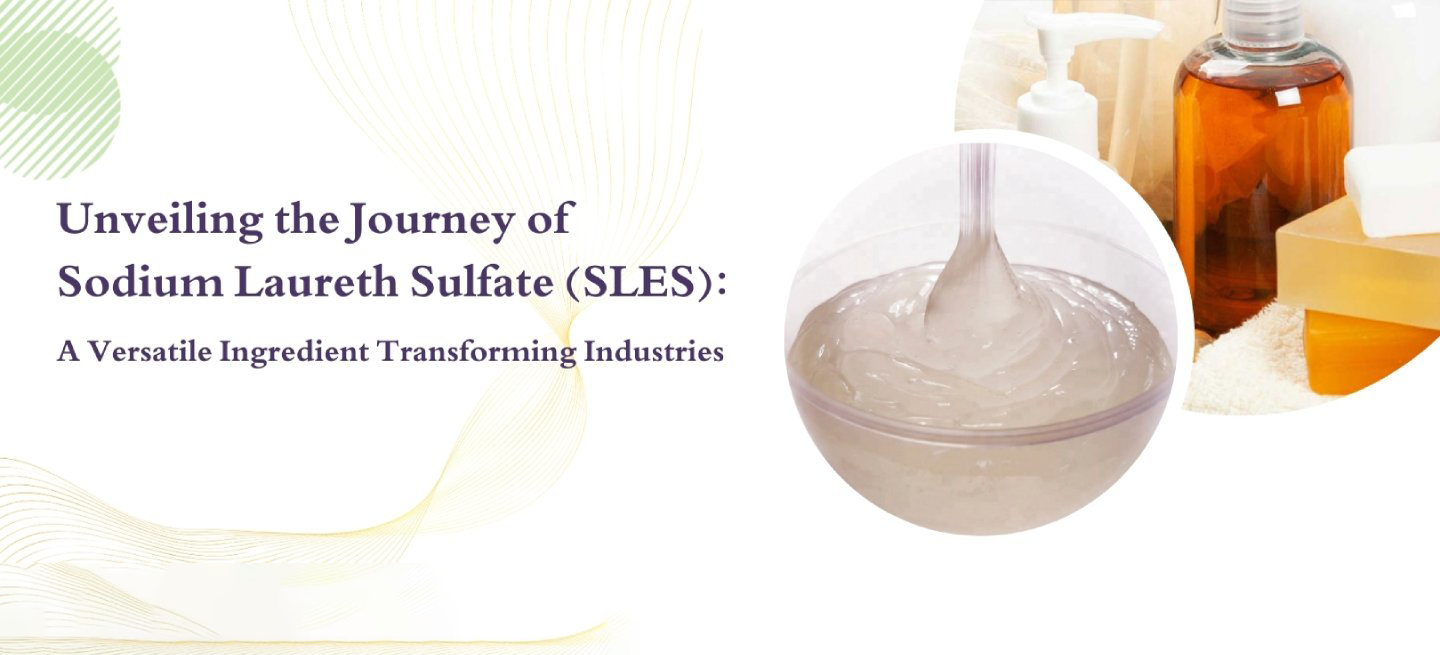
Unveiling the Journey of Sodium Laureth Sulfate (SLES): A Versatile Ingredient Transforming Industries

Unveiling the Journey of Sodium Laureth Sulfate (SLES): A Versatile Ingredient Transforming Industries

Discover the remarkable journey of Sodium Laureth Sulfate (SLES) from obscurity to indispensability in modern industries. Explore its chemistry, evolution, and diverse applications, driving innovation across various sectors.

From obscurity to ubiquity, the evolution of Sodium laureth sulfate (SLES) into a pivotal ingredient across a crowd of products is a testament to its remarkable journey. SLES manufacturers have witnessed its ascendancy as a favored component, owing to its multifaceted utility and efficacy.

But what exactly is SLES, and what attributes have propelled its widespread commercialization?

In this comprehensive exploration, we dig into the chemical complexity, manufacturing processes, and diverse industrial applications of Sodium laureth sulfate (SLES).
Understanding Sodium laureth sulfate SLES:

Sodium Laureth Sulfate (SLES) belongs to the family of sodium and ammonium alkyl ether sulfates, renowned for their cost-effectiveness and exceptional surfactant properties. Serving as both foaming agents and detergents, SLES is prized for its synthetic yet safe cleansing capabilities, typically comprising 30% to 70% of commercial formulations.


Global Market Dynamics and Rising Demand:

The global SLES market is projected to surpass $1.5 billion USD by 2025, fueled by escalating demand, particularly in the realm of personal care products. Heightened emphasis on health, grooming, and environmental consciousness has underpinned SLES’s market ascendancy, bolstered by its affordability, accessibility, and versatility in formulation.


Chemical Composition and Properties:

Functioning as an anionic surfactant, SLES boasts unparalleled cleansing efficacy, emulsification prowess, and foam stability. Its chemical formula, CH3(CH2)10CH2(OCH2CH2)nOSO3Na, manifests as a yellow-white paste, ideal for an array of applications spanning personal care, cosmetics, and household cleaning products.


Distinguishing SLES from SLS:

In comparison to its predecessor, Sodium Lauryl Sulfate (SLS), SLES emerges as a superior alternative, characterized by its minimal skin irritation and enhanced solubility. While both chemicals share similar applications, SLES’s gentler nature and biodegradable composition position it as the preferred choice, particularly in formulations catering to sensitive skin.


Manufacturing Process:

The synthesis of SLES entails the ethoxylation of Lauryl alcohol, a process that mitigates toxicity and enhances safety. Although by-products such as 1,4 dioxane may arise, stringent quality control measures ensure compliance with safety standards, facilitating its integration into diverse industrial processes.
Industrial Applications:

The versatility of SLES extends across an extensive spectrum of products, encompassing soaps, toothpaste, shampoos, carpet cleaners, and laundry detergents. Its efficacy in hair care, dental hygiene, cosmetics, and household cleaners underscores its indispensability in modern consumer goods.
Safety Considerations:

While SLES exhibits remarkable efficacy, precautions must be observed to mitigate potential skin and eye irritation. Dilution and judicious formulation are imperative to safeguard against adverse effects, ensuring consumer safety and regulatory compliance.


In Conclusion:

SLES’s trajectory from obscurity to indispensability epitomizes its transformative impact on diverse industries. As demand continues to surge, prudent utilization and adherence to safety protocols remain paramount. Leveraging SLES’s efficacy while prioritizing consumer well-being underscores its enduring relevance in the ever-evolving landscape of chemical innovation.

To procure premium-grade SLES for your business needs, consider partnering with reputable suppliers like Bansal Trading Company, renowned for their commitment to quality and reliability in chemical distribution.
Embrace the transformative potential of Sodium Lauryl Ether Sulfate (SLES) – a catalyst for innovation and excellence across myriad industries.

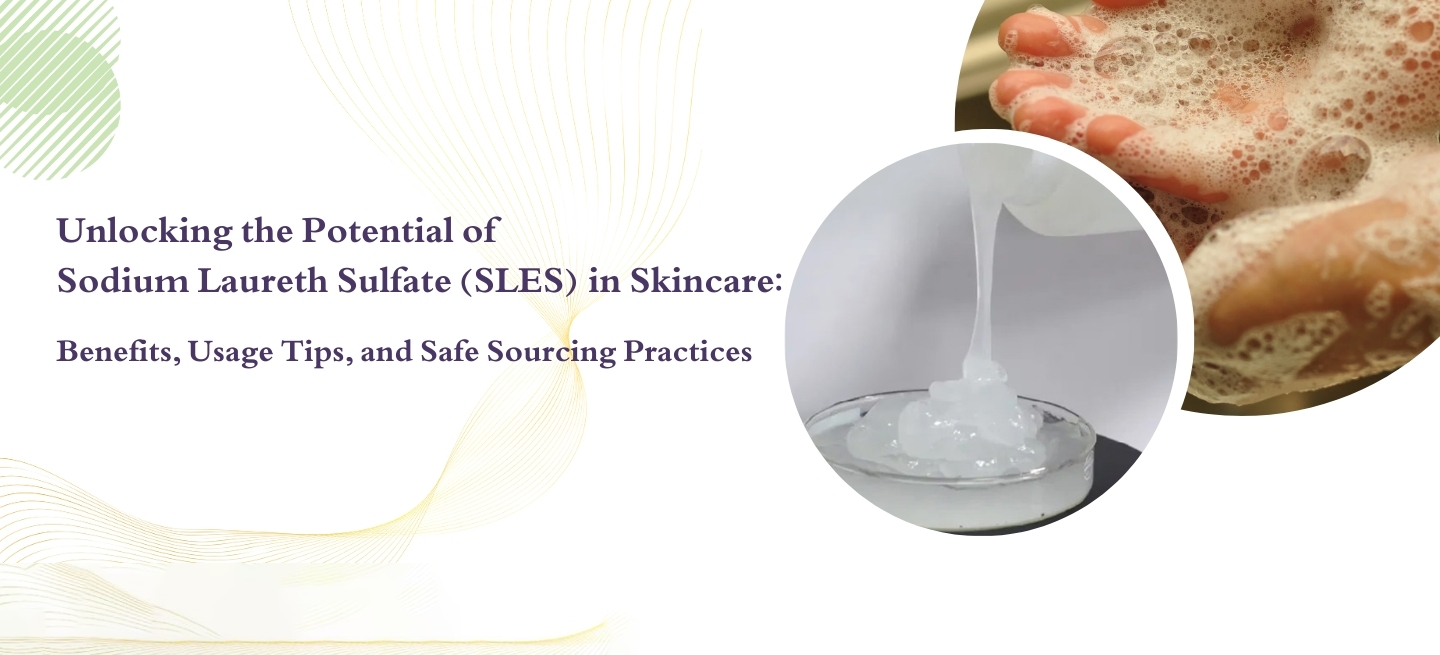
Unlocking the Potential of Sodium Laureth Sulfate (SLES) in Skincare: Benefits, Usage Tips, and Safe Sourcing Practices

Unlocking the Potential of Sodium Laureth Sulfate (SLES) in Skincare: Benefits, Usage Tips, and Safe Sourcing Practices

Explore the benefits of Sodium Laureth Sulfate (SLES) for your skin. Learn how it effectively cleanses, controls excess oil, and gently exfoliates for a radiant complexion. Discover easy-to-follow tips for incorporating SLES into your skincare routine safely, and find trusted sources for purchasing.

Sodium laureth sulfate (SLES) is a common surfactant found in many personal care and skincare products, including cleansers, shampoos, and body washes. It’s known for its ability to create foam and lather, which helps in removing dirt, oil, and impurities from the skin. While it can be effective for cleansing, there are both benefits and potential drawbacks to consider when using products containing SLES on the skin. SLES is a preferred alternative to SLS in shampoos due to its ability to produce a luxurious lather while minimizing skin and eye irritation. Derived from ethoxylated lauryl alcohol, SLES boasts a larger molecule size, reducing its propensity to penetrate the skin and trigger irritation.


Benefits of Sodium Laureth Sulfate (SLES) for Skin:

Cleansing: Sodium laureth sulfate (SLES) is a powerful surfactant that effectively removes dirt, oil, and impurities from the skin’s surface. Its ability to create foam and lather helps to lift away debris, leaving the skin feeling clean and refreshed.

Oil Control: Sodium laureth sulfate (SLES) can help to control excess oil production on the skin, making it particularly beneficial for individuals with oily or combination skin types.

Exfoliation: Sodium laureth sulfate (SLES) can also help to gently exfoliate the skin by removing dead skin cells, which can improve the skin’s texture and promote a more radiant complexion.

Compatibility: Sodium laureth sulfate (SLES) is generally well-tolerated by most skin types, including sensitive skin, although some individuals may experience irritation or sensitivity to this ingredient.


How to Use Sodium laureth sulfate (SLES) in Skincare Products:

Choose Products Wisely: When selecting skincare products containing Sodium laureth sulfate (SLES), it’s essential to choose high-quality formulations from reputable brands. Look for products that are designed for your specific skin type and concerns.

Follow Instructions: Follow the manufacturer’s instructions for using skincare products containing SLES. Typically, these products are used as part of a daily cleansing routine, either in the morning or evening.

Patch Test: Before using a new skincare product containing SLES, perform a patch test to check for any potential sensitivity or irritation. Apply a small amount of the product to a discreet area of skin, such as the inner forearm, and wait 24-48 hours to see if any adverse reactions occur.

Use in Moderation: While Sodium laureth sulfate (SLES) can be effective for cleansing the skin, using products containing this ingredient too frequently or in high concentrations may lead to dryness or irritation. Use these products in moderation and consider alternating with gentler formulations as needed.

Moisturize: After cleansing with products containing SLES, follow up with a moisturizer to help hydrate and protect the skin’s barrier. This can help to prevent dryness and maintain the skin’s overall health and balance.

Discontinue Use If Irritation Occurs: If you experience any redness, itching, or irritation after using a skincare product containing SLES, discontinue use immediately and consult a dermatologist if necessary.

Overall, sodium laureth sulfate can be a beneficial ingredient in skincare products for cleansing and oil control, but it’s essential to use these products mindfully and be aware of any potential sensitivities or adverse reactions.


Where to Source Sodium laureth sulfate (SLES) in Bulk:

Chemical Suppliers: Many chemical suppliers specialize in providing ingredients for skincare and personal care product formulations. They typically offer Sodium laureth sulfate (SLES) in bulk quantities suitable for manufacturing purposes. Prakash Chemicals International Private Limited stands as one of the leading chemical suppliers. PCIPL offers a comprehensive list of chemicals, including high-quality Sodium Laureth Sulfates (SLES).

Online Marketplaces: Online marketplaces like Alibaba, ThomasNet, or ChemWorld often have listings for bulk quantities of SLES from various suppliers. Be sure to research the reputation and reliability of the suppliers before making a purchase.

Manufacturer Direct: Some skin care product manufacturers may offer Sodium laureth sulfate (SLES) in bulk directly to other businesses or individuals interested in creating their own skincare formulations. Contacting manufacturers directly can sometimes result in better pricing and customization options.

Trade Shows and Exhibitions: Attending industry-specific trade shows and exhibitions related to skincare and personal care products can provide opportunities to network with suppliers and explore options for sourcing SLES in bulk.

When sourcing Sodium laureth sulfate (SLES) in bulk for skin care product formulation, it’s essential to ensure that the supplier meets quality standards and provides a product that is suitable for use in cosmetic formulations. Additionally, be mindful of regulatory requirements and guidelines for the use of SLES in skincare products to ensure compliance with safety and labeling regulations.