










The Benefits of Zinc Oxide for Skin Care and Its Role in Product Formulation

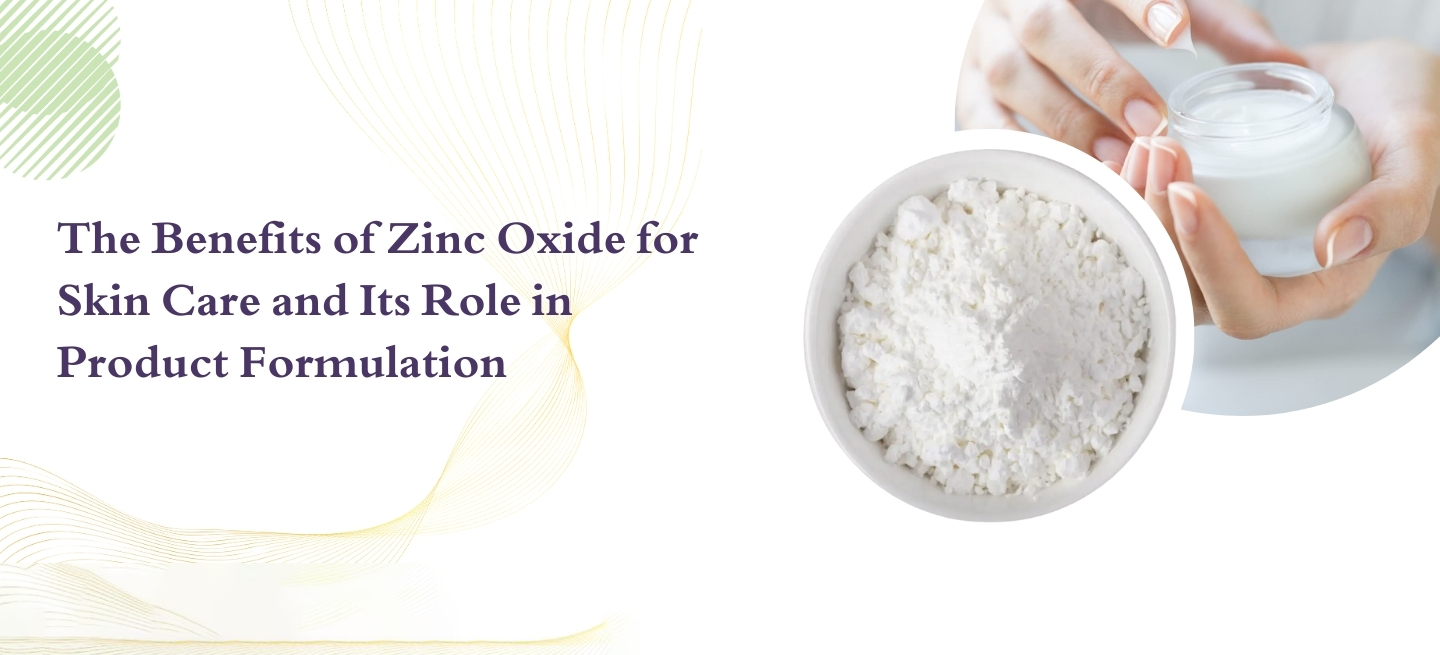
The Benefits of Zinc Oxide for Skin Care and Its Role in Product Formulation

Zinc oxide is a widely recognized ingredient in the skincare industry, known for its numerous benefits in treating and protecting the skin. As a key component in sunscreen formulations, it has also gained popularity for its ability to enhance the effectiveness of a variety of skincare products.

Zinc oxide is a widely recognized ingredient in the skincare industry, known for its numerous benefits in treating and protecting the skin. As a key component in sunscreen formulations, it has also gained popularity for its ability to enhance the effectiveness of a variety of skincare products. For manufacturers, understanding the benefits of zinc oxide for skin care and how it plays a pivotal role in product formulation can help in creating high-quality, effective products that meet consumer needs.


Benefits of Zinc oxide for skin


Zinc oxide is a mineral that is commonly used for its broad-spectrum protective properties. It acts as a physical barrier against harmful UV rays, making it an essential ingredient in sun protection products. However, the benefits of zinc oxide extend beyond just sunscreen formulations.

1. Soothing and Healing Properties

Zinc oxide has natural anti-inflammatory and antimicrobial properties, making it highly effective in soothing irritated skin and promoting healing. It is often used in formulations for sensitive skin, rashes, and conditions such as eczema or acne. By reducing redness and irritation, zinc oxide for skin helps to restore the skin’s natural barrier and accelerate recovery.

2. Skin Protection and Sun Defense

One of the most well-known benefits of zinc oxide is its ability to protect the skin from the sun’s harmful UV rays. It provides a broad-spectrum barrier against both UVA and UVB rays, which are responsible for premature aging and skin damage. For skincare manufacturers, zinc oxide for skin is a key ingredient in any sun protection product due to its ability to reflect and scatter UV radiation.

3. Oil Control and Acne Treatment

One of the most well-known benefits of zinc oxide is its ability to protect the skin from the sun’s harmful UV rays. It provides a broad-spectrum barrier against both UVA and UVB rays, which are responsible for premature aging and skin damage. For skincare manufacturers, zinc oxide for skin is a key ingredient in any sun protection product due to its ability to reflect and scatter UV radiation.

4. Acting as a Natural Preservative

Zinc oxide’s antimicrobial properties can also act as a natural preservative in skincare products. By preventing the growth of bacteria and other microorganisms, it helps maintain the integrity of the formulation. Manufacturers can use zinc oxide for skin in natural or organic products where the goal is to reduce the reliance on synthetic preservatives. This makes it a preferred choice for those looking to create products with fewer chemicals.

5. Versatility in Different Product Types

Zinc oxide is a highly versatile ingredient that can be used in various skincare formulations. It works effectively in sunscreens, moisturizers, healing balms, acne treatments, and more. Its ability to adapt to different formulations makes it an essential ingredient for manufacturers who are looking to expand their product lines and cater to a wide range of skin concerns.


Why Zinc Oxide Should Be Part of Your Product Formulation?

For skincare manufacturers, using zinc oxide for skin in your formulations offers multiple advantages. It enhances product performance by providing sun protection, soothing irritated skin, and acting as a natural preservative. Its antimicrobial properties and ability to improve texture and stability make it a must-have ingredient in a variety of skincare products.

As more consumers demand natural and effective skincare solutions, incorporating zinc oxide for skin into your formulations can help you meet these demands while offering a high-quality, reliable product. By understanding the benefits and formulation techniques, manufacturers can unlock the full potential of this powerful ingredient and develop innovative products that address a wide range of skin concerns.


Frequently Asked Questions

1. Is zinc oxide good for the skin?

Yes, zinc oxide is great for the skin. It soothes irritation, protects from UV rays, and helps with skin healing. It’s also beneficial for sensitive skin conditions like acne and eczema.

2. Can zinc oxide remove dark spots?

Zinc oxide may help lighten dark spots by promoting skin healing and reducing inflammation. However, it is not a direct treatment for hyperpigmentation, but it can support the skin’s recovery process.

3. Does zinc make skin glow?

Zinc oxide does not directly make the skin glow, but it helps maintain healthy skin by protecting it from UV damage and reducing irritation, which contributes to a smoother and more even skin tone.

4. What are the disadvantages of zinc oxide?

One disadvantage of zinc oxide is that it can leave a white cast on the skin, especially in sunscreen products. It may also cause dryness in some individuals if used in high concentrations.

5. Who should not use zinc oxide?

Zinc oxide is generally safe for most skin types, but those with allergies to zinc or sensitive skin should do a patch test first. If irritation occurs, it’s best to avoid using products with zinc oxide.

Sodium Sulfate Anhydrous Uses & Applications in Industrial Manufacturing

Sodium Sulfate Anhydrous Uses & Applications in Industrial Manufacturing

Sodium Sulfate Anhydrous is a highly versatile chemical compound known for its diverse applications in industrial manufacturing. With its unique properties, such as high solubility in water and thermal stability, this compound plays a significant role in industries like detergents, glass manufacturing, textiles, and more. Its ability to act as a drying agent, filler, and stabilizer makes it an essential ingredient in various processes, enhancing both efficiency and cost-effectiveness.

Let’s know more about sodium sulphate anhydrous uses, highlighting its role in key industries and the benefits it offers.


What is Sodium Sulfate Anhydrous?

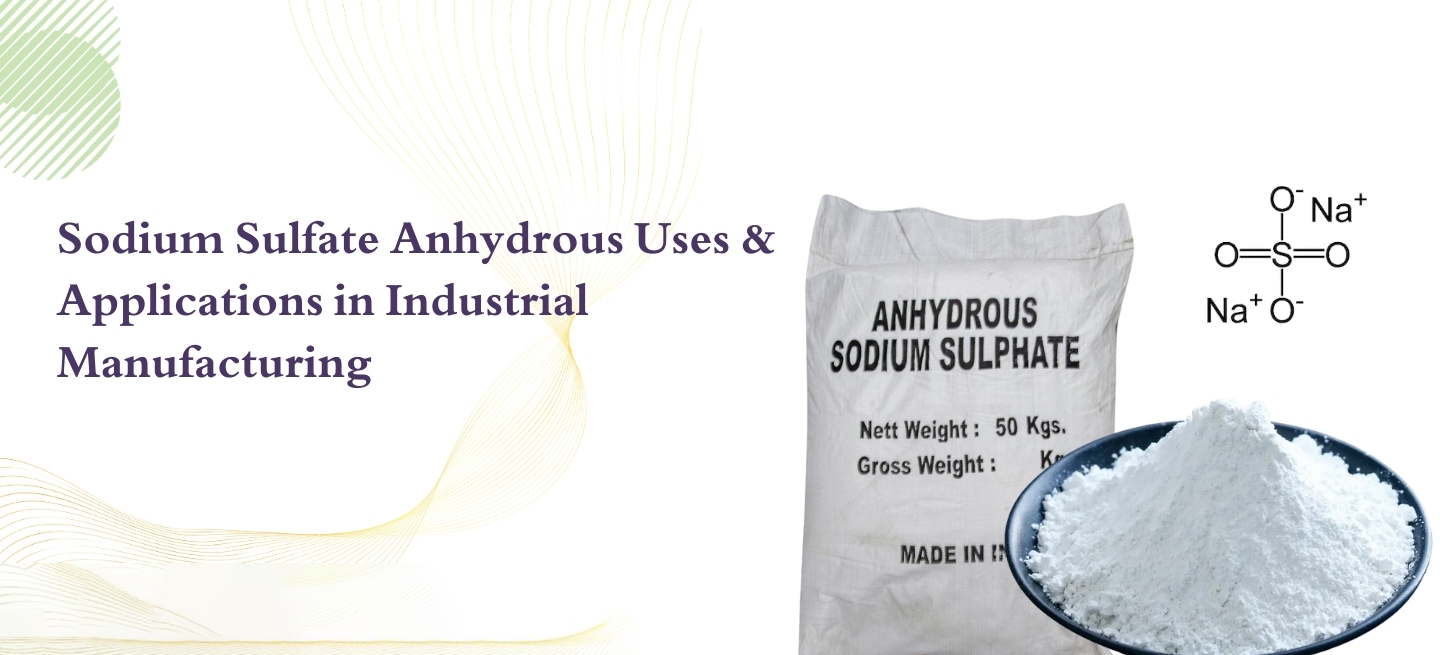
Sodium Sulfate Anhydrous is the anhydrous form of sodium sulfate, a white crystalline solid that lacks water molecules. Known chemically as Na2SO4, it is widely valued for its:

High Thermal Stability: It can withstand high temperatures without decomposition, making it ideal for heat-intensive applications.

Solubility: Easily dissolves in water, which is beneficial for manufacturing processes requiring aqueous solutions.

Non-Toxic Nature: Its safe handling and environmentally friendly nature add to its appeal.

Derived primarily as a byproduct of various industrial processes or through natural mineral extraction, Sodium Sulfate Anhydrous has found its way into diverse manufacturing processes.


Sodium Sulphate Anhydrous Uses in Industrial Manufacturing

1.Detergent Industry

One of the largest consumers of Sodium Sulfate Anhydrous is the detergent industry. Here, it serves as a filler in powdered detergents, helping manufacturers reduce production costs while maintaining product quality.

Role in Detergents:
Sodium Sulfate Anhydrous dilutes the active detergent components, ensuring even distribution in powder form. This improves the detergent’s overall performance in washing machines, especially in hard water conditions.

Example
A laundry detergent with Sodium Sulfate Anhydrous retains its texture and effectiveness while being economical for end users.

2.Glass Manufacturing

Sodium Sulfate Anhydrous is a crucial ingredient in the production of high-quality glass.

Role in Glassmaking:
During the melting process, Sodium Sulfate Anhydrous helps remove small air bubbles trapped in the molten glass. This ensures the glass produced is smooth and free from imperfections.

Example
In the production of flat glass for windows or containers for beverages, Sodium Sulfate Anhydrous ensures transparency and durability.

3.Textile Industry

In the textile industry, Sodium Sulfate Anhydrous acts as a levelling agent, ensuring uniform dye absorption on fabrics.

Role in Dyeing:
The compound reduces the negative charges on fibers, allowing dyes to bind evenly. This minimizes streaks and uneven coloring, resulting in vibrant, high-quality textiles.

Example
Cotton fabrics dyed using Sodium Sulfate Anhydrous exhibit consistent colors across large batches, meeting the standards for premium garments.

4.Pulp and Paper Industry

Sodium Sulfate Anhydrous plays an essential role in the kraft process, a widely used method of converting wood into pulp.

Role in Pulping:
It acts as a cooking chemical, aiding in the breakdown of lignin (the substance that binds wood fibers). Additionally, Sodium Sulfate Anhydrous contributes to chemical recovery in the process, making it more sustainable.

Example
High-grade paper products, such as office paper or packaging materials, rely on the efficient pulping process enabled by Sodium Sulfate Anhydrous.


Benefits of Using Sodium Sulfate Anhydrous

Cost-Effectiveness

Its affordability makes it a preferred choice for industries aiming to optimize costs without compromising quality.

Versatility

Applicable in a wide range of industries.

Eco-Friendliness

Sodium Sulfate Anhydrous is non-toxic and biodegradable, reducing environmental impact.

Enhanced Efficiency

Whether it’s ensuring uniform dyeing or removing air bubbles in glass, it boosts manufacturing precision and quality.


Why Choose PCIPL for Sodium Sulfate Anhydrous?

PCIPL is a trusted supplier of high-quality Sodium Sulfate Anhydrous, catering to diverse industries globally. Our commitment to delivering top-notch chemical solutions ensures:

  • Stringent quality control standards.
  • Consistent supply tailored to your industrial needs.
  • Expert technical support to help you optimize your manufacturing processes.

Sodium Sulfate Anhydrous is an indispensable component in industrial manufacturing, offering unmatched versatility and cost-efficiency. Its role in improving detergent formulations, glass quality, textile dyeing, and more underscores its importance across industries.


Frequently Asked Questions

1.What is the purpose of adding anhydrous sodium sulfate?

Anhydrous sodium sulfate is added to industrial processes as a drying agent to remove moisture from liquids. It is also used as a filler in products like detergents, improving consistency and reducing production costs.

2.Is anhydrous sodium sulfate safe to use?

Yes, anhydrous sodium sulfate is safe to use in various industrial applications. It is non-toxic, biodegradable, and commonly used in products like detergents, glass, and textiles without posing significant health risks.

3.Can anhydrous sodium sulphate absorb water?

Yes, anhydrous sodium sulfate has the ability to absorb water. It is highly hygroscopic, meaning it can attract and absorb moisture from the surrounding environment, which is why it is commonly used as a drying agent in industrial applications.

4.What happens when water is added to anhydrous?

When water is added to anhydrous sodium sulfate, it hydrates and forms sodium sulfate decahydrate (Na2SO4·10H2O). This reaction releases heat and causes the substance to change from a solid, anhydrous form to a crystalline, hydrated form. This is why anhydrous sodium sulfate is used as a drying agent, as it readily absorbs water to convert into its hydrated state.

Analyzing Demand & Supply Dynamics of Mineral Oil

Analyzing Demand & Supply Dynamics of Mineral Oil

Discover the relationship between mineral oil and price stability as we dive into the economic insights and their impact. Through a detailed analysis of demand and supply dynamics, we uncover the underlying forces shaping the mineral oil market’s trajectory.

With the current market changes, the price of mineral oils, especially white mineral oil, is increasing. As per the latest reports, the growth of the mineral oil market is expected to remain at 4 per cent by 2027. Therefore, the producers and the suppliers of the mineral oils have to stay alter to make a profit with this opportunity.

Among the allied industries, the growing demand for this oil is the highest in the personal care or cosmetic industry. After the personal care industry, the pharmaceutical industry is the next, creating a massive demand for this oil.

The increasing demand for these oils can cause a price hike. Therefore, the white mineral oil suppliers are taking measured steps to stabilise their profits in the long run. They are adopting the latest technology to forecast future growth and recruit more people to maintain the market’s stability.

With the lessons from the pandemic, you can store the oil to avoid future market blockages. The demand for this oil is continuously increasing, but the major countries can tight the supply of this oil in the future. In simple words, the potentiality of this mineral oil is enormous. Thus, the collection of these items can be disrupted in the future.

Thus, an analysis of the demand side and the supply side of the mineral oils is required here. You can follow the detailed discussion here;

Supply analysis

The supply of mineral oil has been continuous over the years. These mineral oils are odorless and tasteless and thus can be used in food processing. The major global firms are producing these oils to meet the market’s demand.

1.Adopting new technology is the main reason for the increasing supply of these mineral oils.

2.The constant support of research and development in the mineral oil field has also contributed to this growing supply.

3.Many companies adopt merger and acquisition strategies to produce more gallons of mineral oils. This would also ensure the intact supply of these oils.

4.To stabilize the market, significant counties are coming together to sign a pact regarding the smooth supply of mineral oil throughout the year.

Therefore, the government agencies boosted the suppliers to produce more mineral oil to satisfy the demand. Some countries have also tightened the cap on making oils, resulting in a shortfall in supply.


Demand analysis

The demand for mineral oils is enormous in each sector, from the pharmaceutical to cosmetics. The use of mineral oils in the food processing industry is also immense, and in recent times, these oils are also used in making rubbers and plastic items.

1. In the pharmaceutical industry, mineral oil is enormous as it is used to make vaccines, nasal sprays, antibiotics, etc. This oil is also used in IVF procedures and other critical areas of medicines.

2. In the cosmetic industry, mineral oil is applied mainly for making sunscreens, baby products, personal hygiene products, creams, and so on.

3. In the automobile industry, this oil is used as a lubricant for car engines. This oil ensures the smooth functioning of car engines and can increase the car’s lifespan.

4. In the food processing industry, this oil is used to make packaged food products as it helps to increase the shelf life. Apart from that, this oil is also used in packaging meat products.

Finally, after analysis of both sides, a slight decrease in supply can increase the price level of this oil. The demand side is growing continuously n d. Thus, it needs support from the supply side to stabilize the price.

For more, visit https://www.pciplindia.com/product-detail/White-Mineral-Oil