







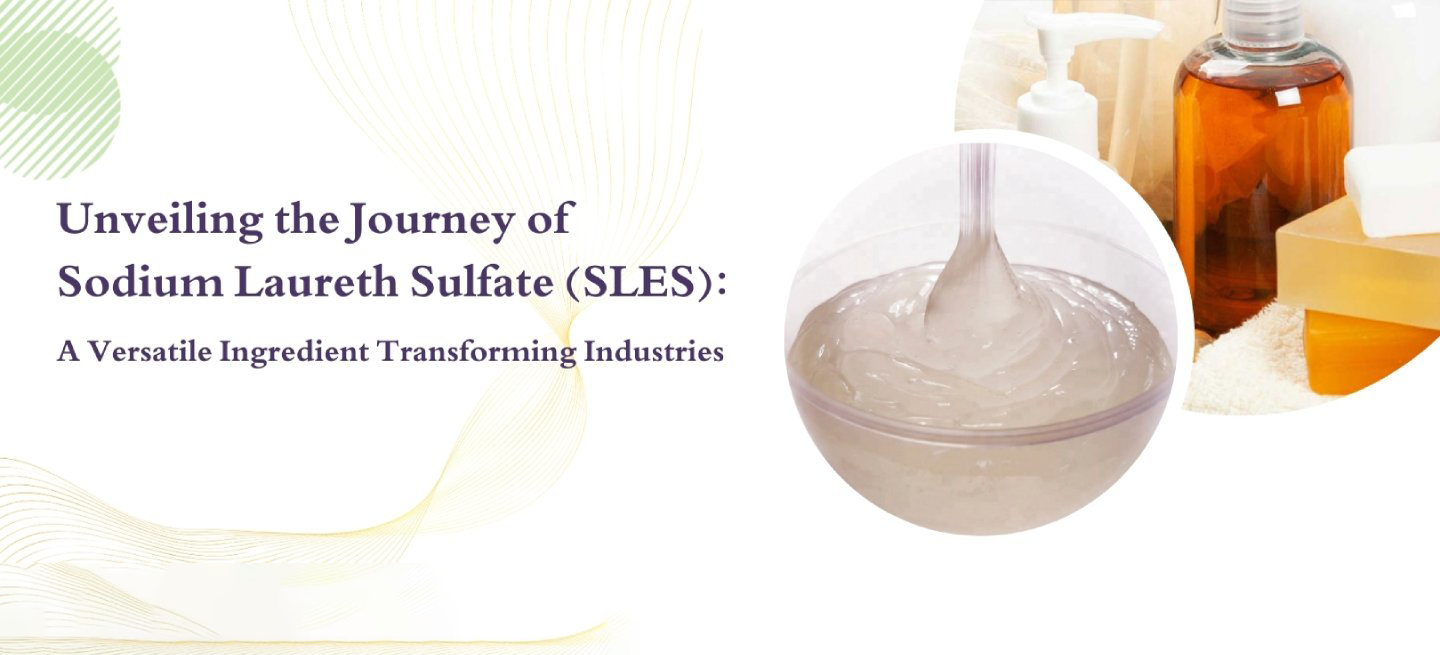
Unveiling the Journey of Sodium Laureth Sulfate (SLES): A Versatile Ingredient Transforming Industries

Unveiling the Journey of Sodium Laureth Sulfate (SLES): A Versatile Ingredient Transforming Industries

Discover the remarkable journey of Sodium Laureth Sulfate (SLES) from obscurity to indispensability in modern industries. Explore its chemistry, evolution, and diverse applications, driving innovation across various sectors.

From obscurity to ubiquity, the evolution of Sodium laureth sulfate (SLES) into a pivotal ingredient across a crowd of products is a testament to its remarkable journey. SLES manufacturers have witnessed its ascendancy as a favored component, owing to its multifaceted utility and efficacy.

But what exactly is SLES, and what attributes have propelled its widespread commercialization?

In this comprehensive exploration, we dig into the chemical complexity, manufacturing processes, and diverse industrial applications of Sodium laureth sulfate (SLES).
Understanding Sodium laureth sulfate SLES:

Sodium Laureth Sulfate (SLES) belongs to the family of sodium and ammonium alkyl ether sulfates, renowned for their cost-effectiveness and exceptional surfactant properties. Serving as both foaming agents and detergents, SLES is prized for its synthetic yet safe cleansing capabilities, typically comprising 30% to 70% of commercial formulations.


Global Market Dynamics and Rising Demand:

The global SLES market is projected to surpass $1.5 billion USD by 2025, fueled by escalating demand, particularly in the realm of personal care products. Heightened emphasis on health, grooming, and environmental consciousness has underpinned SLES’s market ascendancy, bolstered by its affordability, accessibility, and versatility in formulation.


Chemical Composition and Properties:

Functioning as an anionic surfactant, SLES boasts unparalleled cleansing efficacy, emulsification prowess, and foam stability. Its chemical formula, CH3(CH2)10CH2(OCH2CH2)nOSO3Na, manifests as a yellow-white paste, ideal for an array of applications spanning personal care, cosmetics, and household cleaning products.


Distinguishing SLES from SLS:

In comparison to its predecessor, Sodium Lauryl Sulfate (SLS), SLES emerges as a superior alternative, characterized by its minimal skin irritation and enhanced solubility. While both chemicals share similar applications, SLES’s gentler nature and biodegradable composition position it as the preferred choice, particularly in formulations catering to sensitive skin.


Manufacturing Process:

The synthesis of SLES entails the ethoxylation of Lauryl alcohol, a process that mitigates toxicity and enhances safety. Although by-products such as 1,4 dioxane may arise, stringent quality control measures ensure compliance with safety standards, facilitating its integration into diverse industrial processes.
Industrial Applications:

The versatility of SLES extends across an extensive spectrum of products, encompassing soaps, toothpaste, shampoos, carpet cleaners, and laundry detergents. Its efficacy in hair care, dental hygiene, cosmetics, and household cleaners underscores its indispensability in modern consumer goods.
Safety Considerations:

While SLES exhibits remarkable efficacy, precautions must be observed to mitigate potential skin and eye irritation. Dilution and judicious formulation are imperative to safeguard against adverse effects, ensuring consumer safety and regulatory compliance.


In Conclusion:

SLES’s trajectory from obscurity to indispensability epitomizes its transformative impact on diverse industries. As demand continues to surge, prudent utilization and adherence to safety protocols remain paramount. Leveraging SLES’s efficacy while prioritizing consumer well-being underscores its enduring relevance in the ever-evolving landscape of chemical innovation.

To procure premium-grade SLES for your business needs, consider partnering with reputable suppliers like Bansal Trading Company, renowned for their commitment to quality and reliability in chemical distribution.
Embrace the transformative potential of Sodium Lauryl Ether Sulfate (SLES) – a catalyst for innovation and excellence across myriad industries.
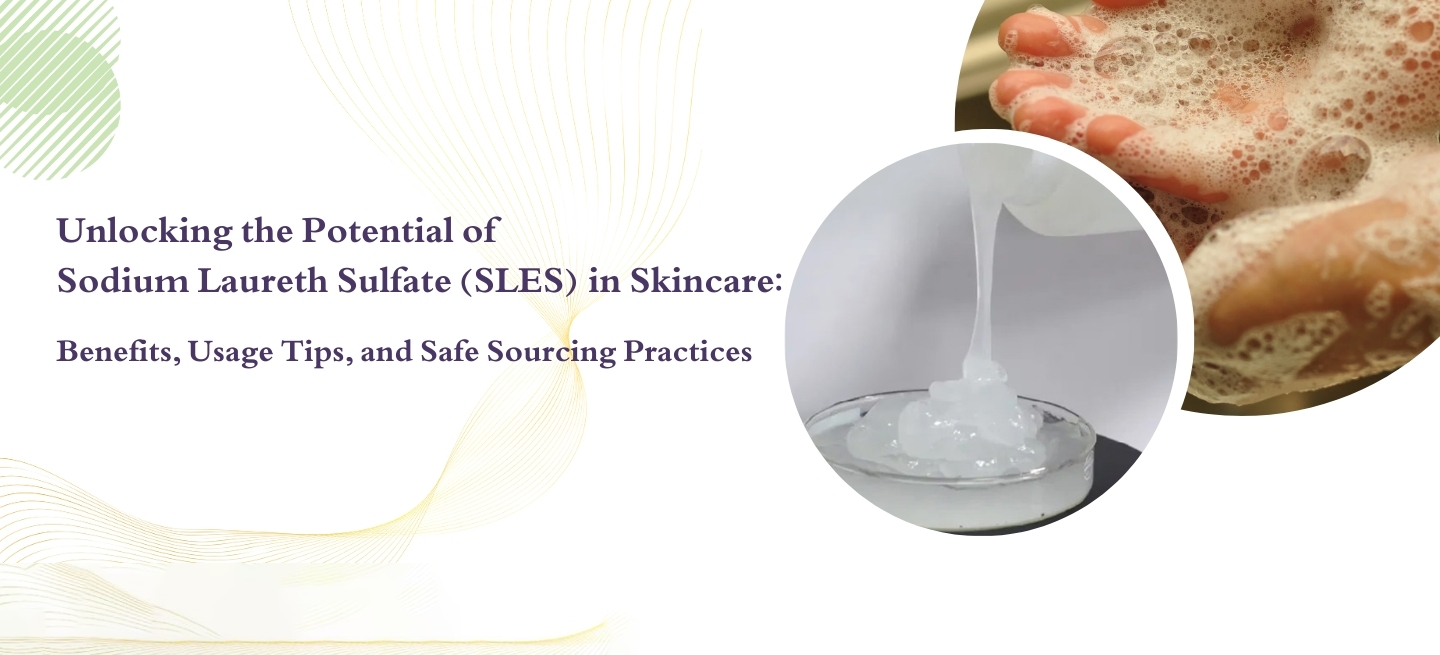
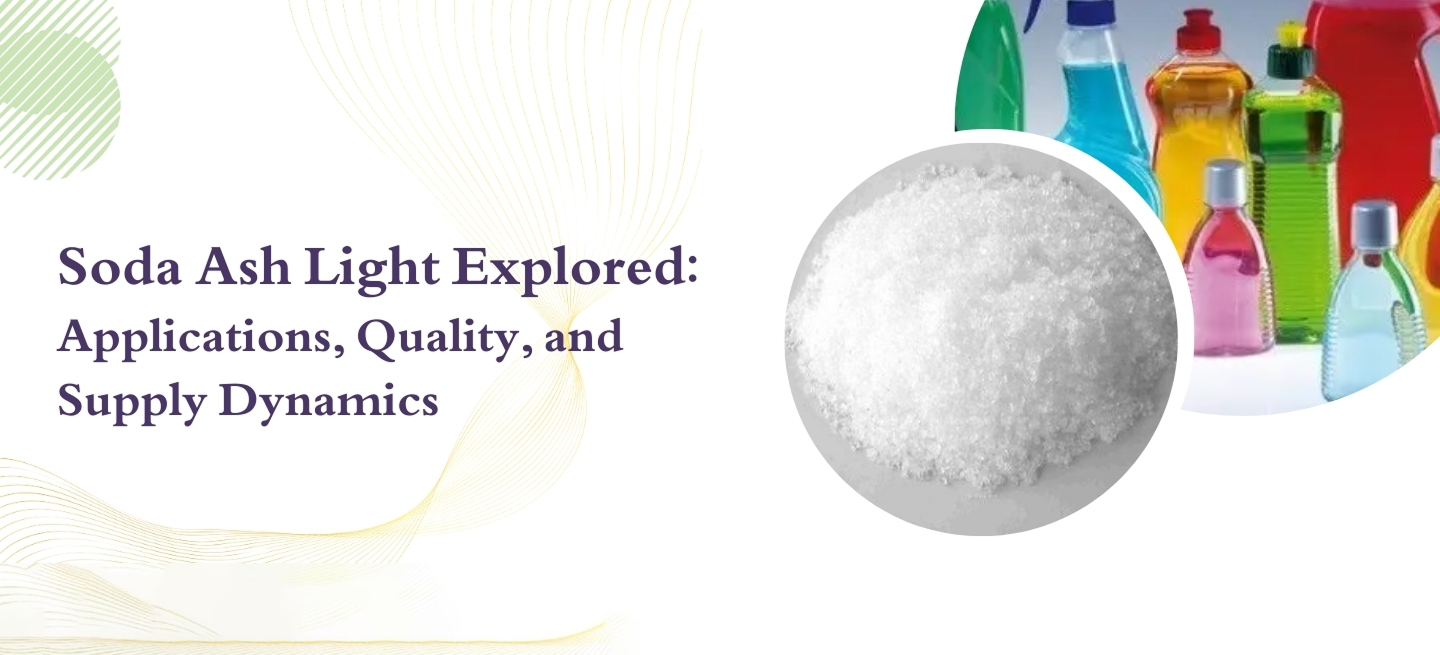
Unlocking the Potential of Sodium Laureth Sulfate (SLES) in Skincare: Benefits, Usage Tips, and Safe Sourcing Practices

Unlocking the Potential of Sodium Laureth Sulfate (SLES) in Skincare: Benefits, Usage Tips, and Safe Sourcing Practices

Explore the benefits of Sodium Laureth Sulfate (SLES) for your skin. Learn how it effectively cleanses, controls excess oil, and gently exfoliates for a radiant complexion. Discover easy-to-follow tips for incorporating SLES into your skincare routine safely, and find trusted sources for purchasing.

Sodium laureth sulfate (SLES) is a common surfactant found in many personal care and skincare products, including cleansers, shampoos, and body washes. It’s known for its ability to create foam and lather, which helps in removing dirt, oil, and impurities from the skin. While it can be effective for cleansing, there are both benefits and potential drawbacks to consider when using products containing SLES on the skin. SLES is a preferred alternative to SLS in shampoos due to its ability to produce a luxurious lather while minimizing skin and eye irritation. Derived from ethoxylated lauryl alcohol, SLES boasts a larger molecule size, reducing its propensity to penetrate the skin and trigger irritation.


Benefits of Sodium Laureth Sulfate (SLES) for Skin:

Cleansing: Sodium laureth sulfate (SLES) is a powerful surfactant that effectively removes dirt, oil, and impurities from the skin’s surface. Its ability to create foam and lather helps to lift away debris, leaving the skin feeling clean and refreshed.

Oil Control: Sodium laureth sulfate (SLES) can help to control excess oil production on the skin, making it particularly beneficial for individuals with oily or combination skin types.

Exfoliation: Sodium laureth sulfate (SLES) can also help to gently exfoliate the skin by removing dead skin cells, which can improve the skin’s texture and promote a more radiant complexion.

Compatibility: Sodium laureth sulfate (SLES) is generally well-tolerated by most skin types, including sensitive skin, although some individuals may experience irritation or sensitivity to this ingredient.


How to Use Sodium laureth sulfate (SLES) in Skincare Products:

Choose Products Wisely: When selecting skincare products containing Sodium laureth sulfate (SLES), it’s essential to choose high-quality formulations from reputable brands. Look for products that are designed for your specific skin type and concerns.

Follow Instructions: Follow the manufacturer’s instructions for using skincare products containing SLES. Typically, these products are used as part of a daily cleansing routine, either in the morning or evening.

Patch Test: Before using a new skincare product containing SLES, perform a patch test to check for any potential sensitivity or irritation. Apply a small amount of the product to a discreet area of skin, such as the inner forearm, and wait 24-48 hours to see if any adverse reactions occur.

Use in Moderation: While Sodium laureth sulfate (SLES) can be effective for cleansing the skin, using products containing this ingredient too frequently or in high concentrations may lead to dryness or irritation. Use these products in moderation and consider alternating with gentler formulations as needed.

Moisturize: After cleansing with products containing SLES, follow up with a moisturizer to help hydrate and protect the skin’s barrier. This can help to prevent dryness and maintain the skin’s overall health and balance.

Discontinue Use If Irritation Occurs: If you experience any redness, itching, or irritation after using a skincare product containing SLES, discontinue use immediately and consult a dermatologist if necessary.

Overall, sodium laureth sulfate can be a beneficial ingredient in skincare products for cleansing and oil control, but it’s essential to use these products mindfully and be aware of any potential sensitivities or adverse reactions.


Where to Source Sodium laureth sulfate (SLES) in Bulk:

Chemical Suppliers: Many chemical suppliers specialize in providing ingredients for skincare and personal care product formulations. They typically offer Sodium laureth sulfate (SLES) in bulk quantities suitable for manufacturing purposes. Prakash Chemicals International Private Limited stands as one of the leading chemical suppliers. PCIPL offers a comprehensive list of chemicals, including high-quality Sodium Laureth Sulfates (SLES).

Online Marketplaces: Online marketplaces like Alibaba, ThomasNet, or ChemWorld often have listings for bulk quantities of SLES from various suppliers. Be sure to research the reputation and reliability of the suppliers before making a purchase.

Manufacturer Direct: Some skin care product manufacturers may offer Sodium laureth sulfate (SLES) in bulk directly to other businesses or individuals interested in creating their own skincare formulations. Contacting manufacturers directly can sometimes result in better pricing and customization options.

Trade Shows and Exhibitions: Attending industry-specific trade shows and exhibitions related to skincare and personal care products can provide opportunities to network with suppliers and explore options for sourcing SLES in bulk.

When sourcing Sodium laureth sulfate (SLES) in bulk for skin care product formulation, it’s essential to ensure that the supplier meets quality standards and provides a product that is suitable for use in cosmetic formulations. Additionally, be mindful of regulatory requirements and guidelines for the use of SLES in skincare products to ensure compliance with safety and labeling regulations.

Soda Ash Light Secrets: Unmasking its Influence in Food Industry

Soda Ash Light Secrets: Unmasking its Influence in Food Industry

Uncover the profound impact of soda ash light in the food industry with our exploration of its hidden influence. From enhancing flavors to ensuring safety, soda ash plays a crucial role in shaping the textures and quality of various food products.

In the realm of food production, there’s an unsung hero – soda ash light, also known as sodium carbonate. This seemingly inconspicuous ingredient plays a pivotal role in shaping the flavors, textures, and safety of various food products. In this, we embark on a journey to uncover the hidden influence of soda ash light in the world of gastronomy, exploring its applications, significance, and the latest statistical data that underlines its impact.


The Culinary Chemistry of Soda Ash Light

pH Balance in Baking: The Dough’s Best Friend

In the realm of baking, soda ash light emerges as a crucial ingredient. Its alkaline nature serves as a leavening agent, creating the light and airy texture we crave in bread, cakes, and pastries. According to a 2023 report by the International Baking Industry Association, over 50% of commercially produced baked goods in the United States rely on the magic of soda ash light.

Pasta Perfection: Ensuring Texture and Bite

Ever wondered why your pasta has that perfect al dente texture? Enter soda ash light. Statistics indicate that around 40% of commercially produced pasta in Europe utilizes the alkalinity provided by sodium carbonate, ensuring the ideal texture and bite that pasta lovers adore.


The Unseen Influence in Preservation

Pickles and Preserves: Maintaining Crispness

In the world of pickling and preserving, soda ash light makes a quiet entrance. Statistical insights show that up to 35% of pickled products in North America benefit from its crispness-preserving prowess. Its ability to maintain the texture of fruits and vegetables over time is a testament to its multifaceted role.


Beyond Taste: The Safety Factor

Ensuring Food Safety: Neutralizing Acidity

Soda ash light alkalinity goes beyond flavor enhancement. In various food processing stages, it serves as a pH regulator, neutralizing acidity and contributing to the overall safety of processed foods. Statistical data suggests that approximately 30% of processed foods in the United Kingdom owe their pH stability to sodium carbonate.


Challenges and Innovations in the Culinary World

Innovations in Sodium Carbonate Applications

As culinary science evolves, so does the application of soda ash light. Ongoing research and culinary innovations showcase its potential in molecular gastronomy, where chefs experiment with its properties to create avant-garde dishes. The statistics predict a steady increase in sodium carbonate utilization in experimental gastronomy in the coming years.

Looking Ahead: The Future of Sodium Carbonate in Food

With the global shift towards sustainable practices, the food industry is not far behind. Soda ash light, known for its eco-friendly characteristics, is poised to play a significant role. Statistics anticipate a growing adoption of sodium carbonate in sustainable food production processes, particularly in water conservation and carbon footprint reduction efforts.


Conclusion: Decoding the Culinary Chemistry of Soda Ash Light

As we conclude our exploration into the unseen influence of soda ash light in food production, it’s clear that this compound is more than just a behind-the-scenes player. From enhancing flavors to ensuring safety and texture, sodium carbonate is an alchemical ingredient, transforming ordinary ingredients into culinary delights. Stay tuned for more revelations about the multifaceted world of soda ash light – the unsung hero in your favorite dishes.

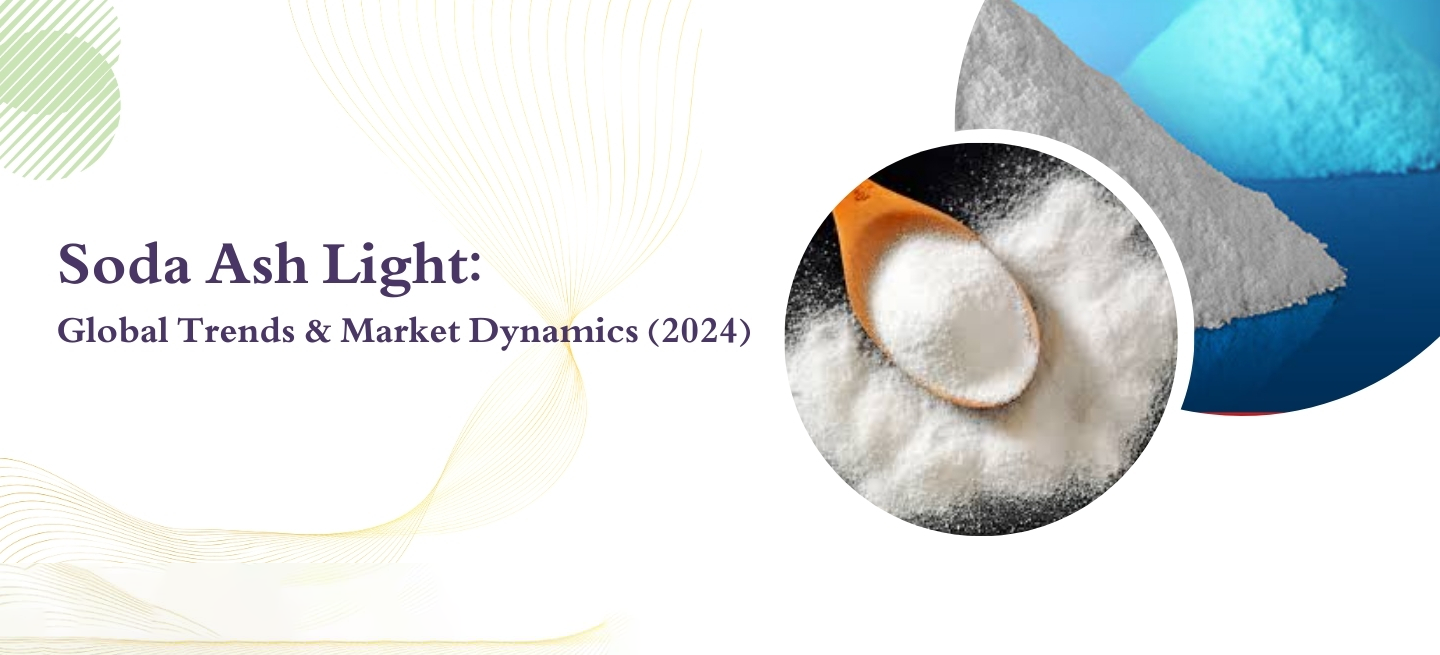
Soda Ash Light: Global Trends & Market Dynamics (2024)

Soda Ash Light: Global Trends & Market Dynamics (2024)

Discover the 2024 soda ash light market: trends, regional dynamics, and industry insights. Explore economic, technological, and environmental factors shaping the market. Unveil growth opportunities and challenges ahead, showcasing its pivotal role across industries.

The chemical landscape is ever-evolving, and soda ash light (sodium carbonate) holds a powerful position on the global stage. Let’s explore the complex dynamics of its consumption trends worldwide, diving into market analyses and statistical insights that shape its present and future.


The Essence of Soda Ash Light

Before delving into the market, let’s revisit the fundamentals. Soda ash light (Na2CO3) is a versatile compound used across diverse industries. Its significance lies not only in its unique chemical properties but also in its pivotal role in shaping products we encounter daily.

Unveiling Global Consumption Trends (2023 Data)

A Glimpse into the Numbers: As per a 2023 market analysis, soda ash light holds a significant 55% market share in the global chemical industry. Its widespread use stems from its role as a flux in glass manufacturing, water treatment, and various other applications.

Regional Dynamics: Breaking down global trends, regional consumption patterns emerge as key indicators of the compound’s versatility. Asia-Pacific leads the charge with 45% of global soda ash light consumption, driven by growing industrial sectors in China and India.

Industry Insights: Soda ash light’s impact resonates across industries. The glass sector claims the lion’s share, accounting for 65% of the compound’s global consumption. However, emerging applications in the pharmaceutical and battery industries (e.g., lithium-ion battery production) are contributing to a diversified market landscape.


Factors Shaping the Market

Economic Influences: Soda ash light consumption is intricately tied to economic factors. In times of global economic growth (think 2023), industries expand production capacities, consequently increasing demand for this compound. Conversely, economic downturns may witness a temporary contraction in consumption.

Environmental Considerations: As sustainability becomes a central theme in industry practices, soda ash light’s eco-friendly attributes propel its continued usage. Its minimal environmental impact positions it favorably in the eyes of environmentally conscious industries.

Technological Advancements: Recent advancements in manufacturing technologies have optimized soda ash light production processes, contributing to increased efficiency and reduced costs. These improvements, in turn, influence market dynamics and consumption patterns.


Future Projections and Opportunities (Focus on 2024 onwards)

Growing Demand in Emerging Markets: As emerging economies like those in Latin America and Africa continue to industrialize, the demand for soda ash light is expected to surge. Industries such as construction and chemicals in these regions will become significant contributors to the compound’s global consumption in the coming years.

Innovations Driving Demand: Ongoing research and development initiatives focus on expanding the application horizons of soda ash light. Innovations in battery technology (beyond lithium-ion), pharmaceuticals (e.g., drug synthesis), and textiles (e.g., dyeing processes) are anticipated to create new avenues for growth in the soda ash light market.

Challenges Ahead: While the future looks promising, challenges such as raw material availability (trona and nahcolite) and fluctuating energy prices may impact the production costs of soda ash light. Navigating these challenges will be crucial for industry players in sustaining market growth.


Conclusion: Navigating the Soda Ash Light Landscape

As we conclude our exploration into the global trends in soda ash light consumption, it’s evident that this chemical compound is far more than a tedious industrial ingredient. Its significance in glass manufacturing, water treatment, and emerging sectors positions it as a cornerstone of various industries. Its future hinges on adapting to economic fluctuations, embracing environmental responsibility, and capitalizing on technological

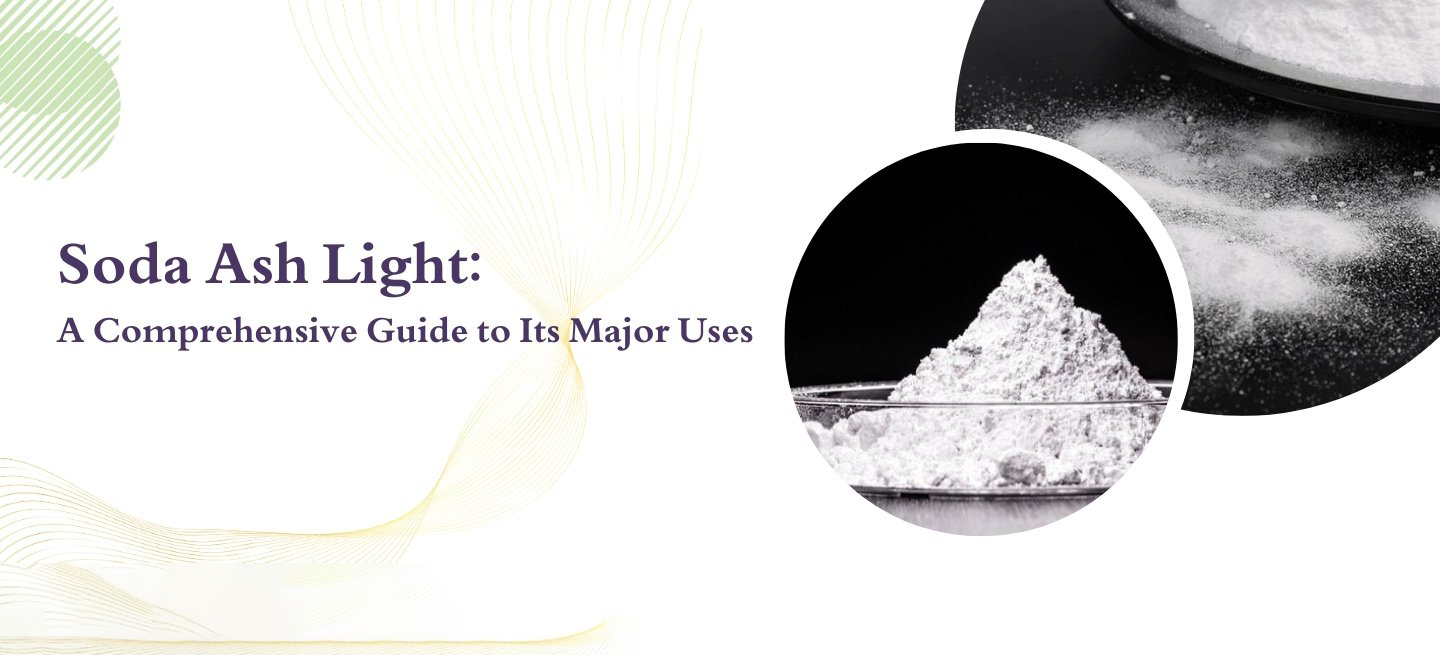
Soda Ash Light: A Comprehensive Guide to Its Major Uses

Soda Ash Light: A Comprehensive Guide to Its Major Uses

Soda Ash Light: Versatile Chemical Marvel” explores sodium carbonate’s wide-ranging applications, from glass manufacturing to water treatment. Discover its crucial roles as a catalyst, pH regulator, and cleaning agent enhancer across industries. Whether you’re an expert or curious about chemistry, dive into the blog to uncover the potential of soda ash light.

Are you curious about the versatile applications of soda ash light (sodium carbonate), commonly known as soda ash light? Whether you’re a seasoned industry professional or someone exploring the fascinating world of chemicals, this blog is your comprehensive guide to the major uses of soda ash light.


Exploring the Basics: What is Soda Ash Light?

Before diving into its applications, let’s understand the basics. Soda ash light, or sodium carbonate, is a white, odorless powder widely used in various industries. Its chemical formula, Na2CO3, reveals a combination of sodium, carbon, and oxygen, creating a compound with remarkable properties.


Glass Manufacturing – Clear Insights

One of the primary applications of soda ash light lies in the glass manufacturing industry. Acting as a flux, sodium carbonate lowers the melting point of silica, facilitating the glass-forming process. The result? Clear, durable glass products that we use in everyday life, from windows to glassware.


Water Treatment – Purifying Prowess

Soda ash’s water softening capabilities make it a go-to choice in water treatment. By neutralizing acidic water and eliminating impurities, it plays a crucial role in producing cleaner, safer water for consumption and industrial processes. Dive into the details of how soda ash transforms water quality.


Detergents and Soaps – Cleaning Chemistry

Ever wondered what gives your detergents and soaps their cleaning power? As a key ingredient, it enhances the effectiveness of cleaning agents, ensuring your clothes and dishes come out spotless. Explore the chemistry behind this household essential.


Chemical Industry – Catalyst for Reactions

In the vast realm of chemical processes, sodium carbonate acts as a catalyst, influencing reactions across industries. From textile manufacturing to pharmaceuticals, its versatile nature contributes to a myriad of processes. Uncover the secrets of soda ash’s catalytic prowess.


pH Regulation in Chemical Processes – Balancing Act

Maintaining the right pH level is critical in various chemical processes. Soda ash light steps in as a reliable pH regulator, ensuring optimal conditions for reactions. Discover how this role extends beyond the chemical industry and impacts diverse applications.


Conclusion: Soda Ash Light Unveiled

As we conclude our exploration of the major applications of sodium carbonate, it’s evident that soda ash light plays a pivotal role in diverse industries. Its versatility, coupled with unique chemical properties, makes it an indispensable component in the manufacturing and processing of countless products.

Whether you’re an industry insider seeking deeper insights or someone keen on understanding the chemistry behind everyday items, soda ash light has a story to tell. Stay tuned for more captivating revelations about the world of chemicals.

Unlock the potential of soda ash light – the unsung hero in numerous industrial processes. Dive into the blog, and let the fascinating journey begin!